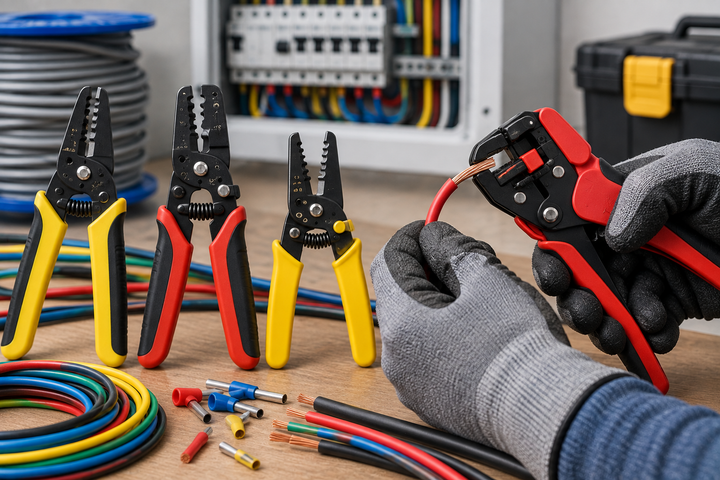
Electrical Wire Stripping Tools: Technologies, Uses and Insights
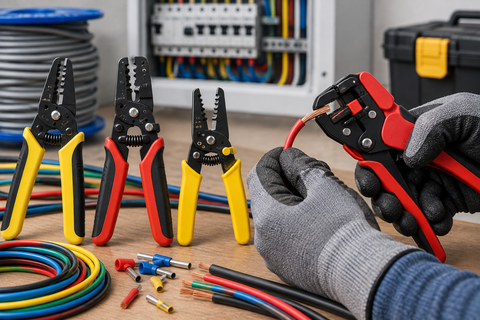
Electrical wire stripping tools are essential devices used to remove insulation from electrical wires without damaging the conductive material inside.
These tools play an important role in electrical installation, maintenance, wiring projects, industrial systems, telecommunications infrastructure, and electronics assembly.
Whether working on household wiring, industrial electrical systems, control panels, or communication networks, proper wire preparation is necessary for safe and reliable electrical connections. Modern wire stripping tools are designed to improve accuracy, efficiency, and consistency while reducing the risk of wire damage.
As electrical systems become more advanced and complex, wire preparation tools continue to evolve with improved ergonomics, automation, and precision features.
Quick Facts Table
| Topic | Purpose | Key Features | Main Benefits | Common Applications |
|---|---|---|---|---|
| Electrical Wire Stripping Tools | Remove insulation from electrical conductors | Adjustable blades, automatic stripping, wire gauges, ergonomic handles | Improved accuracy, reduced wire damage, faster wire preparation | Electrical wiring, industrial automation, telecommunications, electronics assembly |
What Are Electrical Wire Stripping Tools?
Electrical wire stripping tools are hand-operated or automated devices designed to remove the protective insulation layer surrounding an electrical conductor. The goal is to expose the metal wire while maintaining its structural integrity.
These tools are commonly used by electricians, maintenance technicians, control panel builders, electronics specialists, and telecommunications professionals. Proper stripping ensures reliable electrical connections and helps maintain system safety.
Why Are Electrical Wire Stripping Tools Important?
Wire insulation protects conductors from environmental conditions and accidental contact. However, insulation must be removed before creating electrical connections.
Wire stripping tools help:
- Prevent conductor damage
- Improve connection quality
- Enhance electrical safety
- Increase installation efficiency
- Support consistent results
- Reduce preparation errors
- Improve wiring reliability
- Simplify maintenance activities
Electrical Wire Stripping Facts
- Electrical wiring remains a critical component of residential, commercial, and industrial infrastructure.
- Precision wire preparation improves connection reliability.
- Automatic wire stripping technologies continue to gain popularity.
- Modern tools support multiple wire sizes and insulation types.
- Industrial automation systems require accurate wire termination processes.
- Advanced stripping equipment improves productivity in manufacturing environments.
Major Types of Electrical Wire Stripping Tools
- Manual Wire Strippers
- Automatic Wire Strippers
- Self-Adjusting Wire Strippers
- Precision Wire Strippers
- Industrial Wire Stripping Machines
- Rotary Wire Strippers
- Thermal Wire Strippers
- Pneumatic Wire Strippers
- Coaxial Cable Strippers
- Multi-Function Electrical Tools
Tool Comparison Table
| Tool Type | Precision Level | Operating Speed | Common Use |
|---|---|---|---|
| Manual Wire Stripper | High | Medium | General Wiring |
| Automatic Wire Stripper | High | Fast | Electrical Installation |
| Self-Adjusting Stripper | High | Fast | Multi-Size Wiring |
| Precision Stripper | Very High | Medium | Electronics Assembly |
| Thermal Stripper | Very High | Medium | Specialized Applications |
| Industrial Stripping Machine | High | Very Fast | Manufacturing |
Understanding the Concept
Wire stripping is the process of removing insulation from electrical conductors to expose the conductive core. The exposed conductor can then be connected to terminals, connectors, switches, outlets, circuit breakers, or other electrical components.
The quality of the stripping process directly affects connection performance. Excessive force or improper tools may damage conductors, leading to reduced reliability and increased maintenance requirements.
Modern wire stripping technologies are designed to improve precision while accommodating different conductor materials and insulation types.
Equipment Categories Table
| Equipment Category | Examples |
|---|---|
| Manual Tools | Handheld Wire Strippers |
| Automatic Tools | Self-Adjusting Strippers |
| Precision Tools | Electronics Wire Strippers |
| Industrial Equipment | Automated Stripping Machines |
| Cable Preparation Tools | Coaxial Cable Strippers |
| Specialty Tools | Thermal and Rotary Strippers |
Key Features and Core Components
Modern wire stripping tools often include:
- Adjustable stripping blades
- Wire gauge markings
- Self-adjusting mechanisms
- Precision cutting edges
- Ergonomic handles
- Safety locks
- Automatic stripping functions
- Cable cutting capabilities
- Crimping functions
- Insulation removal controls
These features help improve efficiency and reduce the likelihood of conductor damage.
What Is a Wire Stripper?
A wire stripper is a specialized tool used to remove insulation from electrical conductors while preserving the conductive material underneath.
What Is an Automatic Wire Stripper?
An automatic wire stripper automatically adjusts to different wire sizes and removes insulation with minimal manual adjustment.
What Is a Precision Wire Stripper?
A precision wire stripper is designed for delicate wiring applications where conductor protection and accuracy are critical.
What Is a Thermal Wire Stripper?
A thermal wire stripper uses controlled heat to soften insulation before removal, reducing the risk of conductor damage.
Main Types of Electrical Wire Stripping Tools
Manual Wire Strippers
Manual wire strippers are widely used for general electrical work. They typically include multiple gauge openings for different wire sizes.
Automatic Wire Strippers
Automatic tools simplify the stripping process by automatically adapting to various wire diameters.
Precision Wire Strippers
Precision tools are commonly used in electronics manufacturing, instrumentation, and telecommunications applications.
Industrial Wire Stripping Machines
Industrial systems automate wire preparation processes for high-volume production environments.
Specialty Wire Strippers
Specialized tools are designed for unique cable types, insulation materials, and technical applications.
How Electrical Wire Stripping Tools Work
- Select the appropriate stripping tool.
- Identify the wire gauge and insulation type.
- Position the wire in the correct stripping slot.
- Apply controlled pressure to the insulation.
- Cut through the insulation layer without damaging the conductor.
- Remove the insulation section.
- Inspect the exposed conductor for quality.
- Prepare the wire for connection or termination.
Benefits and Advantages
Electrical wire stripping tools provide numerous advantages:
- Improved wiring accuracy
- Reduced conductor damage
- Better connection reliability
- Faster wire preparation
- Enhanced workplace safety
- Consistent stripping performance
- Support for multiple wire sizes
- Improved productivity
- Reduced installation errors
- Better overall wiring quality
Electrical Wiring Applications
Residential Wiring
Used for outlets, switches, lighting systems, and electrical upgrades.
Commercial Buildings
Support wiring activities in offices, retail facilities, and institutional buildings.
Industrial Automation
Assist with control panels, sensors, motors, and automation systems.
Telecommunications Infrastructure
Prepare communication cables and network wiring.
Electronics Manufacturing
Support precision conductor preparation in electronic assemblies.
Renewable Energy Systems
Used in solar energy installations, battery systems, and power management equipment.
Real-World Examples and Applications
Example: Residential Electrical Installation
An electrician uses a self-adjusting wire stripper to prepare conductors for outlet and lighting connections during a home renovation project.
Example: Industrial Control Panel Assembly
Technicians prepare hundreds of conductors using precision stripping tools when assembling industrial automation panels.
Example: Telecommunications Network Deployment
Network specialists use cable preparation tools to install communication infrastructure while maintaining conductor integrity.
Example: Solar Energy Installation
Installers prepare electrical conductors for connections between solar modules, inverters, and energy storage systems.
Best Practices for Wire Stripping
- Use the correct tool for the wire type.
- Match the stripping slot to the wire gauge.
- Avoid excessive pressure.
- Inspect conductors after stripping.
- Keep blades clean and properly maintained.
- Replace worn stripping components when necessary.
- Follow electrical safety procedures.
- Verify conductor quality before installation.
Important Factors to Consider
When selecting wire stripping tools, consider:
- Wire gauge compatibility
- Insulation material
- Precision requirements
- Frequency of use
- Ergonomic design
- Maintenance needs
- Application environment
- Safety features
- Productivity goals
- Durability requirements
Common Challenges and Solutions
| Challenge | Impact | Solution |
|---|---|---|
| Conductor Damage | Reduced Reliability | Precision Stripping Tools |
| Incorrect Wire Gauge Selection | Poor Results | Gauge Identification |
| Worn Blades | Reduced Performance | Regular Maintenance |
| Difficult Insulation Materials | Slow Preparation | Specialty Stripping Tools |
| Inconsistent Stripping Length | Connection Issues | Adjustable Guides |
Maintenance Approaches
Preventive Maintenance
Regular inspection and cleaning help maintain stripping accuracy.
Condition-Based Maintenance
Tools are serviced when performance indicators suggest wear or degradation.
Component Replacement
Replacing worn blades improves performance and consistency.
Operational Inspection
Routine checks help identify issues before they affect work quality.
Industry Insights
The wire preparation industry continues to evolve as electrical systems become more sophisticated. Industrial automation, renewable energy infrastructure, telecommunications expansion, and advanced manufacturing are increasing demand for precise wire preparation technologies.
Manufacturers are focusing on ergonomics, automation, durability, and accuracy to improve productivity across various electrical applications.
Future Trends and Technologies
Smart Tool Technologies
Digital measurement capabilities are becoming more common in specialized electrical tools.
Automated Wire Processing
Industrial facilities increasingly use automated wire preparation systems.
Advanced Blade Materials
Improved materials enhance durability and stripping precision.
Ergonomic Tool Design
Manufacturers continue developing tools that reduce operator fatigue.
High-Precision Applications
Growing electronics and communication industries require increasingly accurate conductor preparation.
Integration with Automated Manufacturing
Automated production environments are driving innovation in wire processing equipment.
Expert Insights
Electrical wire stripping tools remain a fundamental part of electrical installation and maintenance activities. As wiring systems become more advanced, the importance of precise conductor preparation continues to grow.
Modern tools support improved efficiency, accuracy, and reliability across residential, commercial, industrial, and telecommunications environments. Future developments are expected to focus on automation, precision, and enhanced user experience while supporting increasingly complex electrical infrastructure.
Key Takeaways
- Electrical wire stripping tools remove insulation from conductors.
- Proper wire preparation improves connection quality.
- Manual and automatic stripping tools serve different applications.
- Precision tools help prevent conductor damage.
- Industrial automation increases demand for advanced wire preparation equipment.
- Regular maintenance supports consistent performance.
- Modern tools improve efficiency and safety.
- Future innovations focus on automation and precision.
Frequently Asked Questions (FAQ)
What are electrical wire stripping tools?
They are tools designed to remove insulation from electrical conductors without damaging the wire.
Why is wire stripping important?
Proper stripping ensures reliable electrical connections and improves safety.
What is an automatic wire stripper?
An automatic wire stripper adjusts to different wire sizes and removes insulation efficiently.
What is a precision wire stripper?
A precision wire stripper is designed for delicate wiring applications requiring high accuracy.
Can wire stripping damage conductors?
Improper techniques or incorrect tools can damage conductors.
What wire sizes can wire strippers handle?
Most tools support a range of wire gauges depending on their design.
What is a thermal wire stripper?
A thermal wire stripper uses heat to assist with insulation removal.
Are wire stripping tools used in industrial automation?
Yes, they are widely used in industrial control panels and automation systems.
What industries use wire stripping tools?
Electrical, telecommunications, manufacturing, renewable energy, and electronics industries.
How should wire stripping tools be maintained?
Regular cleaning, inspection, and blade replacement help maintain performance.
What is a self-adjusting wire stripper?
It automatically adapts to different wire sizes without manual adjustments.
What is the future of wire stripping technology?
Future developments include automation, precision improvements, smart features, and enhanced ergonomics.
Conclusion
Electrical wire stripping tools play an essential role in electrical installation, maintenance, manufacturing, and communication infrastructure. By removing insulation accurately and consistently, these tools help create reliable electrical connections while protecting conductor integrity.
As electrical systems continue to evolve, wire preparation technologies are advancing through automation, precision engineering, and improved ergonomics. Understanding the different types, features, applications, and best practices associated with electrical wire stripping tools helps support safer and more efficient electrical work across a wide range of industries.