Dehumidifiers: Guide to Humidity Control and Better Indoor Air Quality
Indoor air plays a major role in everyday comfort and health. When moisture levels become too high, rooms can start to feel damp, sticky, and uncomfortable.
Excess humidity may also lead to mold growth, musty smells, and damage to walls or furniture. This is where dehumidifiers become important.
A dehumidifier is a device designed to remove extra moisture from the air. It helps maintain balanced humidity levels and creates a cleaner indoor environment. These systems are commonly used in homes, offices, warehouses, medical facilities, and industrial buildings.
Humidity control matters in many climates, especially in regions with heavy rainfall or warm temperatures. Even small spaces like basements, crawl spaces, and storage areas can develop moisture problems over time. Modern humidity management solutions now include advanced systems such as commercial dehumidifier rental options for temporary moisture control and specialized hospital grade dehumidification systems for sensitive indoor environments.
Understanding how these systems work can help people improve indoor comfort and maintain healthier air quality.
Understanding the Concept
Humidity refers to the amount of moisture present in the air. When humidity levels rise too high, indoor spaces may become uncomfortable and unhealthy. Most experts recommend indoor humidity between 30% and 50%.
A dehumidifier works by pulling moist air into the unit, removing water from the air, and releasing drier air back into the room. The collected moisture is stored in a tank or drained through a hose.
High humidity can create several common problems:
- Condensation on windows
- Mold and mildew growth
- Damp odors
- Peeling paint
- Dust mite activity
- Warped wood surfaces
For example, a basement with poor ventilation may develop a constant damp smell during monsoon season. A dehumidifier helps reduce moisture buildup and improves overall air freshness.
Modern systems range from small portable units for bedrooms to large industrial systems designed for warehouses and healthcare environments.
Key Types or Categories
Different environments require different humidity control methods. Choosing the correct type depends on room size, moisture level, and building conditions.
Portable Dehumidifiers
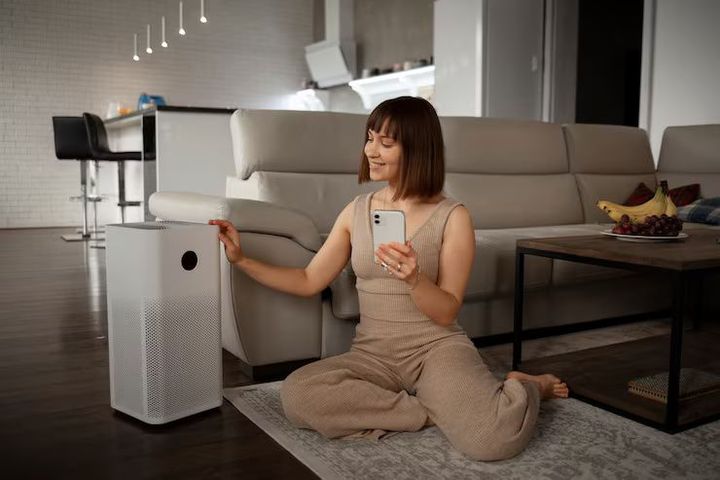
These are compact units commonly used in homes and apartments. They are suitable for bedrooms, kitchens, laundry areas, and small offices.
Main features include:
- Easy movement between rooms
- Water collection tanks
- Adjustable humidity settings
- Simple operation
Portable systems are often used during rainy seasons when indoor moisture temporarily increases.
Whole-House Dehumidifiers
These systems connect to central air systems and manage humidity throughout an entire building.
They are useful for:
- Large homes
- Multi-room buildings
- Consistent humidity control
- Long-term moisture management
Whole-house systems help maintain balanced air conditions without moving separate units from room to room.
Industrial and Commercial Systems
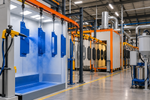
Large buildings often require stronger humidity control systems. Warehouses, laboratories, manufacturing plants, and event spaces commonly use industrial units.
In some situations, commercial dehumidifier rental solutions are used during temporary conditions such as flood recovery, seasonal humidity increases, or building restoration projects.
These systems are designed for:
- Large air volumes
- Continuous operation
- High moisture extraction
- Challenging environments
Crawl Space Dehumidifiers
Crawl spaces are highly vulnerable to trapped moisture because they usually have limited airflow. Excess moisture in these areas may affect flooring, insulation, and indoor air quality.
Proper crawl space dehumidifier installation helps reduce damp conditions beneath buildings and protects structural materials from moisture-related damage.
Hospital and Medical Facility Systems
Medical environments require carefully controlled humidity levels to support cleanliness and equipment protection.
Hospital grade dehumidification systems are designed for:
- Sensitive healthcare environments
- Air quality stability
- Reduced moisture-related contamination risks
- Controlled indoor conditions
These systems are commonly found in laboratories, surgical spaces, and pharmaceutical environments.
How It Works
Although dehumidifiers come in different sizes and designs, most systems follow a similar process.
Step 1: Air Intake
The system pulls humid air into the unit using a fan.
Step 2: Moisture Removal
Inside the unit, cooling coils lower the air temperature. Moisture condenses into water droplets, similar to water forming on a cold glass.
Step 3: Water Collection
The extracted water moves into a storage tank or drainage system.
Step 4: Air Reheating
The system slightly warms the air before sending it back into the room.
Step 5: Humidity Monitoring
Many modern units include sensors that automatically maintain selected humidity levels.
For example, during a humid summer evening, a dehumidifier can continuously cycle air through the system and reduce the damp feeling inside a room.
Benefits and Advantages
Humidity control provides many practical advantages for homes and commercial spaces.
Improved Indoor Comfort
Balanced humidity helps rooms feel cooler and fresher. Dry air circulation can reduce sticky indoor conditions during warm weather.
Better Air Quality
Lower moisture levels help reduce mold growth and airborne particles linked to damp environments.
Protection for Furniture and Materials
Wood furniture, books, electronics, and fabrics may become damaged in high humidity conditions. Moisture control helps preserve these materials.
Reduced Odors
Musty smells often develop in damp spaces such as basements or storage rooms. Dehumidifiers help create fresher indoor air.
Support for Sensitive Environments
Certain spaces require stable humidity levels for equipment and cleanliness. This is especially important for medical buildings using hospital grade dehumidification systems.
Structural Protection
Moisture buildup can affect walls, flooring, insulation, and ceilings over time. Proper humidity control reduces long-term moisture exposure.
Real-World Examples or Applications
Dehumidifiers are used in many everyday situations.
Residential Homes
Families often use portable units in bedrooms, laundry areas, and basements during humid months.
For example:
- Preventing window condensation
- Reducing damp carpet smells
- Maintaining comfortable sleeping conditions
Crawl Spaces and Basements
Many property owners use crawl space dehumidifier installation methods to reduce hidden moisture beneath floors.
This approach helps protect:
- Wooden beams
- Insulation materials
- Flooring structures
Warehouses and Storage Facilities
Stored materials such as paper products, electronics, and packaged goods can be damaged by moisture exposure.
Industrial systems help maintain stable storage conditions.
Healthcare Buildings
Hospitals and laboratories rely on hospital grade dehumidification systems to maintain controlled indoor air environments.
These systems help support:
- Equipment stability
- Cleaner air circulation
- Moisture-sensitive environments
Temporary Moisture Recovery
After storms or water leaks, buildings may experience sudden humidity increases. Commercial dehumidifier rental units are often used during temporary drying and restoration projects.
Important Factors to Understand
Several important considerations affect dehumidifier performance and efficiency.
Room Size
Small units may struggle in large spaces. Proper sizing helps maintain effective moisture control.
Humidity Level
Some regions naturally experience higher humidity than others. Coastal and tropical climates often require stronger systems.
Ventilation
Poor airflow can trap moisture inside rooms. Combining ventilation with humidity control often improves results.
Drainage Options
Some systems use removable tanks, while others connect directly to drainage lines for continuous operation.
Energy Efficiency
Modern systems often include energy-saving settings and automatic humidity sensors.
Maintenance Needs
Regular cleaning helps maintain proper airflow and performance.
Common maintenance tasks include:
- Cleaning filters
- Emptying water tanks
- Checking drainage hoses
- Removing dust buildup
Noise Levels
Portable units can vary in sound output. Quiet systems are often preferred for bedrooms and study areas.
Future Trends and Industry Insights
Humidity control technology continues to evolve as buildings become more energy-conscious and environmentally aware.
Smart Humidity Control
Modern systems now include smart sensors and automated controls. Some units can adjust humidity levels based on changing room conditions.
Energy-Efficient Designs
Manufacturers continue developing systems that use less electricity while maintaining strong moisture removal performance.
Eco-Friendly Refrigerants
Newer dehumidifiers increasingly use environmentally safer cooling materials to reduce environmental impact.
Advanced Commercial Systems
Large facilities are adopting more advanced monitoring systems for industrial moisture management. Commercial dehumidifier rental options are also becoming more flexible for temporary environmental control needs.
Improved Healthcare Air Management
Medical facilities continue investing in advanced hospital grade dehumidification systems to maintain stable and controlled indoor conditions.
Better Crawl Space Protection
Awareness of moisture-related structural issues is increasing. As a result, crawl space dehumidifier installation methods are becoming more common in residential construction and renovation projects.
Conclusion
Dehumidifiers play an important role in maintaining comfortable and healthy indoor environments. By reducing excess moisture, these systems help improve air quality, protect buildings, and reduce damp conditions.
From portable household units to advanced hospital grade dehumidification systems, modern humidity control solutions support many different environments. Crawl space dehumidifier installation methods help protect hidden building areas, while commercial dehumidifier rental solutions provide temporary support during moisture recovery situations.
Understanding humidity control helps property owners, facility managers, and everyday households create cleaner and more comfortable indoor spaces. As technology continues improving, dehumidification systems will likely become even more efficient, intelligent, and adaptable for future indoor air quality needs.