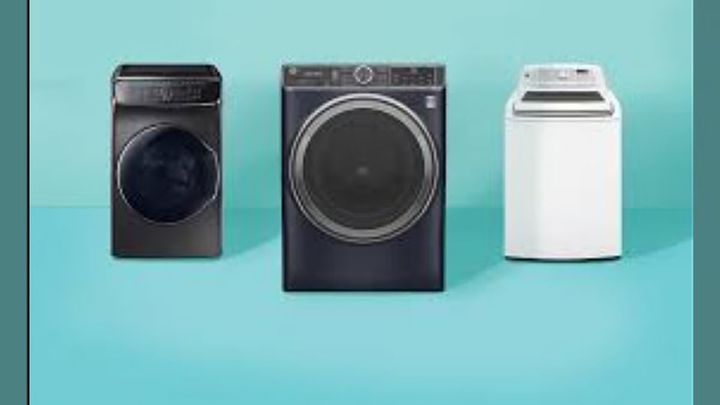
Best Washing Machines: Complete Guide to Features, Types, and Performance
Washing machines have become an essential household appliance in modern homes.
They help reduce the time and effort required for laundry while improving cleaning efficiency. Whether for a small family or a large household, choosing one of the best washing machines can make everyday laundry tasks easier and more convenient.
Today’s washing machines include advanced washing technology, energy-efficient washing machine features, smart controls, and specialized cleaning programs. Understanding different models and features helps consumers make informed decisions based on their laundry needs.
This guide explores washing machine types, performance factors, important features, and future trends to help readers better understand modern laundry appliances.
Understanding the Concept
A washing machine is an appliance designed to clean clothes, bedding, towels, and other washable fabrics using water, detergent, and mechanical movement.
Modern washing machines perform several functions automatically:
- Washing
- Rinsing
- Spinning
- Water management
- Fabric care
The main goal is to remove dirt, stains, and odors while protecting fabric quality.
Many consumers compare top-rated washing machines based on washing performance, drum capacity, spin speed, energy efficiency, and smart technology features. Understanding these elements can help identify the right appliance for different household requirements.
Key Types or Categories
Several washing machine categories are available, each designed for different needs and preferences.
Front Load Washing Machines
Front load washing machines have a door located on the front side.
Key characteristics include:
- Efficient water usage
- Gentle fabric handling
- High spin speeds
- Strong stain removal performance
These machines are often recommended among premium washing machines because of their cleaning effectiveness and energy efficiency.
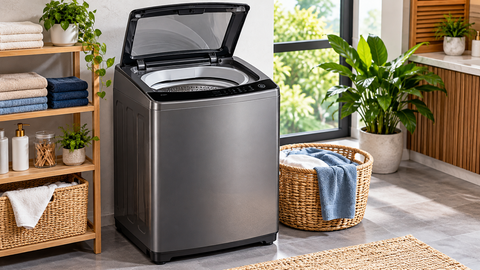
Top Load Washing Machines
Top load washing machines allow clothes to be loaded from the top.
Advantages include:
- Easy loading and unloading
- Shorter wash cycles
- User-friendly operation
Many households prefer top load washing machines for convenience and accessibility.
Semi-Automatic Washing Machines
Semi-automatic models require some manual involvement during the washing process.
Features include:
- Separate washing and spinning compartments
- Lower water consumption control
- Flexible operation
These machines are commonly used in areas where water availability varies.
Fully Automatic Washing Machines
Fully automatic washing machines complete the entire process with minimal user involvement.
Functions include:
- Automatic water filling
- Washing cycles
- Rinsing cycles
- Spinning operations
- Program selection
These models are popular among families seeking convenience and consistent washing results.
Important Subsections
Drum Capacity
Capacity determines how much laundry can be washed in a single cycle.
Common capacities include:
- 6 kg for individuals or couples
- 7–8 kg for small families
- 9–12 kg for larger households
Selecting the right capacity helps improve washing performance and efficiency.
Energy Efficiency
An energy-efficient washing machine consumes less electricity while maintaining cleaning effectiveness.
Benefits include:
- Reduced energy consumption
- Lower utility expenses
- Improved environmental sustainability
Many consumers prioritize energy-efficient laundry appliances when comparing options.
Spin Speed
Spin speed is measured in revolutions per minute (RPM).
Higher spin speeds:
- Remove more water
- Reduce drying time
- Improve overall efficiency
Typical spin speeds range from 800 RPM to 1400 RPM.
Smart Features
Modern smart washing machines include advanced functions such as:
- Mobile app connectivity
- Remote monitoring
- Automatic cycle recommendations
- Maintenance alerts
These features provide greater convenience and control.
Wash Programs
Different fabrics require different cleaning methods.
Common wash programs include:
- Cotton
- Delicate fabrics
- Wool
- Sportswear
- Quick wash
- Heavy-duty cleaning
Specialized cycles help improve fabric care and cleaning effectiveness.
How It Works
A washing machine follows a structured cleaning process.
Step 1: Loading Laundry
Clothes are placed inside the drum according to the recommended capacity.
Proper loading ensures balanced washing and better cleaning performance.
Step 2: Adding Detergent
Detergent is placed in the designated compartment.
The machine releases detergent at the appropriate stage of the wash cycle.
Step 3: Water Intake
Water enters the drum according to the selected wash program.
Modern machines automatically regulate water levels based on load size.
Step 4: Washing Action
The drum rotates and agitates clothes.
This movement helps detergent penetrate fabrics and remove dirt and stains.
Step 5: Rinsing
Clean water removes detergent residue from garments.
Multiple rinse cycles may be used for thorough cleaning.
Step 6: Spinning
The drum spins at high speed.
Excess water is extracted from clothing before drying.
Step 7: Cycle Completion
The machine stops automatically after the selected program is completed.
Clothes are ready for air drying or machine drying.
Benefits and Advantages
Modern washing machines provide numerous practical advantages.
Time Savings
Automated washing cycles allow users to complete laundry with minimal supervision.
This convenience helps households manage daily routines more efficiently.
Improved Cleaning Performance
Advanced drum technology and specialized wash programs improve stain removal and fabric cleaning.
Many top-rated washing machines include sensors that adjust washing conditions for better results.
Water Efficiency
Modern appliances use optimized water management systems.
This helps reduce water consumption while maintaining cleaning quality.
Better Fabric Protection
Gentle drum movements and fabric-specific programs help preserve clothing quality.
Delicate materials receive appropriate care during washing cycles.
Convenience and Automation
Features such as delayed start timers, smart controls, and automatic program selection simplify operation.
Users can customize cycles based on laundry requirements.
Enhanced Hygiene
Many premium washing machines include hygiene-focused programs that help remove allergens and maintain fabric cleanliness.
These features are useful for households with children or individuals sensitive to dust and allergens.
Real-World Examples or Applications
Washing machines are used in many everyday situations.
Small Apartments
Compact washing machines fit limited spaces while providing effective laundry management.
A single professional living in an apartment may benefit from a smaller-capacity machine.
Family Homes
Families often generate larger amounts of laundry.
A high-capacity washing machine allows multiple loads to be cleaned efficiently.
Student Housing
Students commonly use practical and easy-to-operate machines for weekly laundry routines.
Simple controls and quick wash programs are particularly useful.
Vacation Properties
Properties used by multiple guests benefit from durable washing machines capable of handling frequent usage.
Reliable performance supports consistent laundry management.
Multi-Generational Households
Larger households often require machines with higher capacity and multiple fabric care programs.
These features help accommodate diverse laundry needs.
Important Factors to Understand
Several considerations influence washing machine performance and suitability.
Capacity Requirements
Choosing the correct capacity prevents overloading and improves washing effectiveness.
Larger families typically require higher-capacity machines.
Installation Space
Available space should be measured before selecting a machine.
Front load and top load models require different clearance requirements.
Noise Levels
Some machines operate more quietly than others.
Noise reduction technology can improve comfort, especially in apartments.
Maintenance Needs
Regular cleaning helps maintain performance.
Recommended maintenance includes:
- Cleaning detergent compartments
- Inspecting filters
- Wiping door seals
- Running cleaning cycles
Durability
Build quality affects long-term reliability.
Strong materials and quality components often contribute to better durability.
Future Trends and Industry Insights
Laundry appliance technology continues to evolve.
Artificial Intelligence Integration
AI-powered washing machines can analyze laundry loads and automatically select optimal settings.
This improves efficiency and user convenience.
Enhanced Energy Efficiency
Manufacturers continue developing machines that consume less electricity and water.
Energy efficiency remains a major focus across the appliance industry.
Smart Home Connectivity
Future smart washing machines will integrate more deeply with connected home ecosystems.
Users may control and monitor laundry through centralized smart home platforms.
Advanced Fabric Care
New washing technologies focus on protecting fabrics while maintaining strong cleaning performance.
Improved sensors and drum designs support gentler garment treatment.
Predictive Maintenance
Future appliances may detect potential issues before performance problems occur.
Early notifications can help users maintain equipment more effectively.
Conclusion
The best washing machines combine strong cleaning performance, energy efficiency, convenient features, and reliable operation. Understanding washing machine types, drum capacity, spin speed, wash programs, and smart technology helps consumers evaluate available options more effectively.
Whether selecting a front load washing machine, top load washing machine, or fully automatic washing machine, the right choice depends on household size, laundry habits, and available space. Modern laundry appliances continue to evolve with advanced technology, improved efficiency, and enhanced fabric care capabilities.
By understanding the key features and performance factors discussed in this guide, consumers can make informed decisions and enjoy a more efficient laundry experience.