Industrial Shredder Equipment Overview: Types & Uses
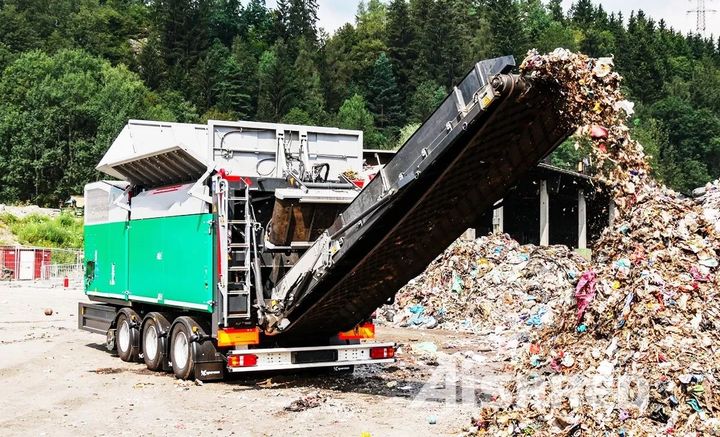
Industrial shredder equipment plays an important role in recycling, manufacturing, material recovery, and waste processing operations.
These heavy-duty machines are designed to reduce bulky materials into smaller, more manageable pieces through cutting, tearing, crushing, or shearing actions.
Modern industrial shredding systems can process plastics, metals, wood, cardboard, rubber, textiles, electronic materials, and manufacturing scrap. Depending on material characteristics and processing requirements, facilities may use single-shaft shredders, dual-shaft shredders, four-shaft systems, or high-torque industrial shredders.
Understanding industrial shredder types, machine components, material handling methods, automation, maintenance, and safety practices can help facilities evaluate suitable material processing equipment for different industrial applications.
How Industrial Shredding Systems Work
Industrial shredders use rotating shafts or rotors fitted with specially designed cutting tools. Material enters a cutting chamber where mechanical force reduces it into smaller pieces.
The exact shredding action depends on machine configuration. Some systems use slow-speed, high-torque cutting for dense materials, while others use faster rotor designs for lighter materials.
A typical industrial shredding system includes:
- Feed hopper
- Cutting chamber
- Rotor or rotating shafts
- Shredder blades
- Electric or hydraulic drive
- Gearbox
- Screening system
- Discharge conveyor
- Control panel
- Safety devices
These components work together to maintain controlled material flow and consistent processing.
Main Types of Industrial Shredder Equipment
Selecting a shredder generally begins with understanding how different machine configurations process materials.
Single-Shaft Shredders
A single-shaft shredder uses one rotating rotor fitted with cutting tools. A hydraulic or mechanical feeding mechanism may push material toward the rotor.
Single-shaft systems are commonly associated with:
- Plastic processing
- Wood waste
- Packaging materials
- Textiles
- Production scrap
- Selected recycling materials
Many single-shaft shredders incorporate screens that help regulate the dimensions of discharged material.
Dual-Shaft Shredders
Dual-shaft shredders use two counter-rotating shafts equipped with cutters. The shafts pull materials into the cutting area and reduce them through shearing and tearing.
Heavy-duty dual-shaft shredders are commonly considered for bulky, irregular, or difficult material streams where controlled primary size reduction is required.
Four-Shaft Shredders
Four-shaft shredders use multiple cutting shafts to provide additional material reduction. They may be useful where a more controlled output is required before sorting or secondary processing.
High-Torque Shredders
High-torque industrial shredders emphasize rotational force rather than very high operating speed. This configuration can support the processing of dense and demanding materials.
Industrial Shredder Blades and Cutting Technology
The cutting system is one of the most important parts of industrial shredder equipment.
Shredder blade performance can depend on:
- Blade material
- Cutting geometry
- Thickness
- Tooth configuration
- Shaft spacing
- Rotor speed
- Material hardness
- Blade condition
Different materials require different cutting characteristics. Flexible plastics, for example, may behave differently from rigid components, timber, rubber, or metal scrap.
Regular inspection of cutters is therefore important for maintaining reliable industrial size reduction.
Materials Commonly Processed
Industrial shredding equipment can support numerous material streams when appropriately configured.
Plastic Materials
Industrial plastic shredders can process selected containers, molded components, pipes, packaging materials, production offcuts, and other plastic waste.
Shredding can prepare plastics for subsequent sorting, washing, granulation, or recycling processes.
Metal Scrap
Industrial metal shredders can reduce suitable metal products and manufacturing scrap before separation and material recovery.
The machine configuration must correspond to the type, thickness, dimensions, and composition of the metal being processed.
Wood and Timber
Industrial wood shredders can process pallets, timber offcuts, packaging wood, and selected manufacturing residues.
Paper and Cardboard
Paper products, cardboard packaging, and production offcuts can be reduced before further material processing.
Rubber and Textiles
Appropriately configured industrial shredding machines can process certain rubber products, fibers, fabrics, and other flexible materials.
Electronic Materials
Specialized industrial recycling equipment may incorporate shredders for controlled processing of electronic materials. Because electronic components can contain mixed or hazardous materials, appropriate handling and environmental procedures are important.
Industrial Recycling and Material Recovery
Industrial shredders frequently operate as one stage within a larger recycling system.
Reducing bulky materials can simplify downstream sorting, transportation, separation, and recovery operations. Shredded material may subsequently pass through screens, magnetic separators, optical sorting equipment, or other processing machinery.
A typical recycling line might include:
- Material receiving and preparation
- Conveyor feeding
- Primary shredding
- Screening
- Material separation
- Secondary size reduction
- Classification
- Collection or further processing
The exact configuration depends on the incoming material and desired output.
Automated Material Handling
Material handling equipment has a significant influence on shredder operation.
Industrial conveyors, loading systems, feeders, and discharge equipment can maintain a controlled flow of material through the shredding line.
Automated material handling may also help coordinate the shredder with downstream industrial recycling equipment.
Sensors can monitor material flow and communicate with control systems. When excessive loading is detected, the feed rate may be adjusted to maintain stable operation.
Automation and Control Systems
Modern industrial shredding systems increasingly incorporate automation and digital monitoring.
Programmable controllers can coordinate machine functions such as:
- Start and stop sequences
- Rotor operation
- Conveyor movement
- Material feeding
- Overload detection
- Automatic reversing
- Safety interlocks
- Equipment alarms
Automatic reversing is particularly useful when excessive resistance is detected. The control system can briefly reverse the rotor before attempting normal operation again.
Monitoring systems may also track motor loads, operating temperatures, processing activity, and equipment conditions.
Selecting Industrial Shredder Equipment
The appropriate machine depends on more than the type of material being processed.
Material Characteristics
Consider hardness, density, dimensions, flexibility, contamination, and material composition.
Processing Capacity
Industrial shredder capacity should align with expected material volume and production requirements.
Required Particle Size
Some processes require coarse primary reduction, while others need more controlled material dimensions.
Feed Opening
Large or irregular items may require a wider hopper and cutting chamber.
Drive Configuration
Electric and hydraulic drive systems offer different operating characteristics. Selection depends on machine design and application requirements.
Downstream Processing
The shredder should work effectively with conveyors, screens, separators, granulators, and other material recovery equipment.
Maintenance for Reliable Operation
Preventive maintenance can help maintain industrial shredder performance and identify developing mechanical issues.
Inspect Blades and Cutters
Cutting components should be checked for wear, damage, and reduced cutting effectiveness.
Monitor Bearings and Shafts
Bearings and shafts operate under significant mechanical loads and should be inspected according to equipment requirements.
Examine the Drive System
Motors, gearboxes, couplings, and hydraulic components should be monitored for abnormal vibration, temperature, or operating behavior.
Check Screens
Machines using screens should be inspected for blockage, wear, or physical damage.
Maintain Material Handling Equipment
Conveyors, feeders, sensors, and discharge systems should be included in routine maintenance schedules.
Keep Maintenance Records
Documenting inspections and maintenance activities can help identify recurring issues and improve preventive maintenance planning.
Safety Considerations
Industrial shredders contain powerful moving components, making machine safety an essential part of operation.
Depending on the installation, safety measures may include:
- Machine guarding
- Interlocked access panels
- Emergency stop controls
- Overload protection
- Lockout/tagout procedures
- Controlled loading areas
- Fire prevention measures
- Operator training
- Routine safety inspections
- Appropriate protective equipment
Safety procedures should reflect the shredder design, material stream, facility environment, and connected machinery.
Benefits of Industrial Shredder Equipment
Industrial shredding systems can provide several practical advantages in material processing operations.
- Reduce bulky materials into manageable dimensions
- Support recycling and material recovery
- Prepare materials for sorting and separation
- Improve selected material handling processes
- Process manufacturing scrap
- Support automated recycling lines
- Provide controlled material size reduction
- Integrate with conveyors and separation equipment
- Support continuous processing environments
- Handle diverse industrial material streams
- Prepare materials for secondary processing
- Support resource recovery operations
Actual performance depends on the shredder configuration, material characteristics, maintenance, and overall system design.
Emerging Developments in Shredding Technology
Industrial shredder technology continues to develop through improved automation, condition monitoring, sensor integration, and intelligent controls.
Advanced monitoring can provide information about motor loads, operating temperatures, rotor conditions, and processing patterns. This information can support predictive maintenance and help identify unusual equipment behavior.
Industrial recycling systems are also becoming more integrated. Shredders can communicate with conveyors, separators, screens, and other equipment to create coordinated material processing lines.
More adaptable cutting systems are also helping facilities handle changing material streams while maintaining controlled processing.
Frequently Asked Questions
What is industrial shredder equipment?
Industrial shredder equipment consists of heavy-duty machines designed to reduce bulky materials into smaller pieces through cutting, tearing, or shearing.
What types of industrial shredders are available?
Common configurations include single-shaft, dual-shaft, four-shaft, and high-torque shredders.
What materials can industrial shredders process?
Depending on machine design, they can process plastics, selected metals, wood, cardboard, rubber, textiles, electronic materials, and manufacturing scrap.
How are industrial shredders used in recycling?
Shredders reduce material dimensions before processes such as sorting, screening, separation, granulation, or material recovery.
Why are shredder blades important?
Blade design and condition influence cutting performance, material throughput, and processed particle characteristics.
Can industrial shredders operate in automated lines?
Yes. Industrial shredders can integrate with conveyors, feeders, sensors, screens, separators, and programmable control systems.
What maintenance does industrial shredding equipment require?
Typical maintenance includes inspecting cutters, shafts, bearings, drive systems, screens, safety equipment, and connected material handling machinery.
What factors matter when selecting a shredder?
Material characteristics, required throughput, desired output dimensions, feed size, cutting configuration, and downstream processing requirements are important considerations.
Conclusion
Industrial shredder equipment provides essential size reduction capabilities across recycling, manufacturing, material recovery, and waste processing environments. Single-shaft, dual-shaft, four-shaft, and high-torque shredders offer different processing characteristics for materials ranging from plastics and wood to selected metals and manufacturing scrap.
Understanding industrial shredding systems, cutting technology, automated material handling, control systems, maintenance, and safety practices helps facilities evaluate equipment for specific processing requirements. As recycling automation and intelligent monitoring continue to develop, industrial shredders are becoming increasingly integrated with modern material recovery and manufacturing operations.