Learn About Factory Machines: An Overview, Basics, and Key Facts
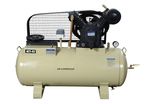
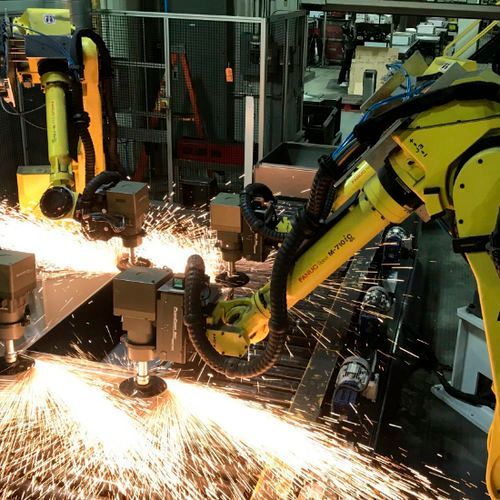
Factory machines are mechanical, electrical, or automated systems used to perform repetitive, precise, or heavy tasks in industrial environments. These machines support manufacturing processes by shaping raw materials, assembling components, and ensuring consistent output.
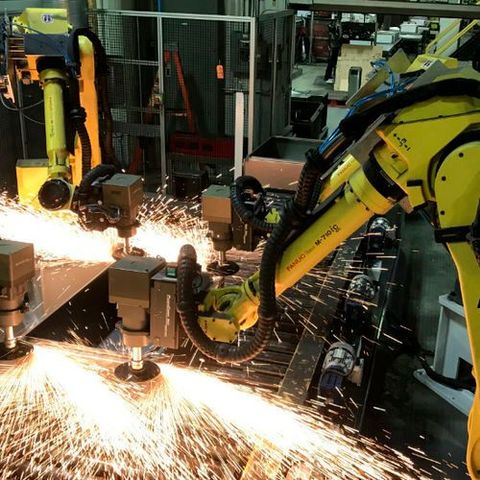
The concept of factory machines emerged with the rise of industrial production, where manual labor alone could no longer meet growing demand. Over time, machines became more specialized, capable of performing tasks such as cutting, molding, welding, packaging, and quality inspection with higher accuracy.
Today, factory machines are used across sectors including manufacturing, food processing, textiles, electronics, automotive production, and construction materials. Their primary purpose is to improve efficiency, maintain uniform standards, and reduce physical strain on human workers.
Importance: Why Factory Machines Matter Today
Factory machines play a critical role in modern industrial systems. They influence productivity, safety, and the reliability of goods used in everyday life.
Key reasons factory machines are important include:
-
Supporting large-scale production with consistent results
-
Reducing human error in repetitive processes
-
Improving workplace safety by handling hazardous tasks
-
Enabling precision manufacturing for complex components
Factory machines affect a wide range of stakeholders, including industrial operators, engineers, quality controllers, and supply chain planners. They also indirectly affect consumers by ensuring product reliability and standardized manufacturing practices.
In sectors requiring strict tolerances, factory machines help solve problems related to inconsistency, waste, and inefficiency. They also support sustainable manufacturing by optimizing material usage and energy consumption.
Recent Updates: Trends and Developments in the Past Year
Over the past year, factory machines have continued to evolve with advancements in automation, digital monitoring, and energy optimization.
Notable trends observed since early 2025 include:
-
Increased use of smart sensors for real-time machine monitoring
-
Wider adoption of predictive maintenance systems
-
Growth in machine-to-machine communication within factories
-
Enhanced safety features integrated into industrial equipment
Many factories now rely on data-driven insights to monitor machine performance, detect faults early, and reduce unplanned downtime. This shift has led to improved operational stability and better asset management.
Another important development is the focus on modular machine design, allowing factories to adapt production lines without complete system replacement. This approach supports long-term flexibility and scalability.
Laws or Policies: How Factory Machines Are Regulated
Factory machines are influenced by workplace safety regulations, industrial standards, and environmental compliance frameworks. These rules are designed to protect workers, ensure reliable operation, and minimize environmental impact.
Common regulatory areas include:
-
Machine safety standards covering guards, emergency stops, and controls
-
Occupational health rules related to noise, vibration, and exposure
-
Electrical and mechanical compliance requirements
-
Energy efficiency and emissions guidelines
Many industrial systems must follow internationally recognized technical standards that define machine design, testing, and documentation. These standards help ensure that machines operate safely and consistently across different industrial environments.
Regulatory compliance also affects machine maintenance schedules, operator training, and inspection procedures, making governance a key aspect of factory operations.
Tools and Resources Related to Factory Machines
Various digital and technical resources help users understand, monitor, and manage factory machines more effectively.
Helpful tools and resources include:
-
Machine monitoring dashboards for operational insights
-
Maintenance planning templates for scheduled servicing
-
Equipment lifecycle calculators for usage analysis
-
Digital manuals and technical documentation platforms
-
Industrial safety checklists and audit tools
Below is an example table showing common factory machine categories and their typical functions:
| Machine Category | Primary Function | Common Applications |
|---|---|---|
| CNC Machines | Precision cutting and shaping | Metal and component fabrication |
| Conveyor Systems | Material movement | Assembly and packaging lines |
| Industrial Mixers | Material blending | Chemical and food processing |
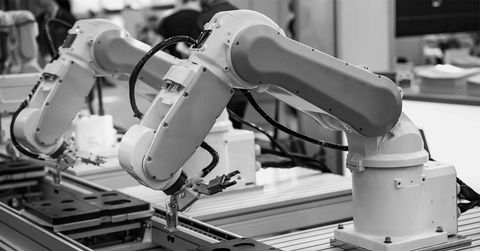
| Robotic Arms | Automated handling | Assembly and inspection |
| Press Machines | Forming and molding | Manufacturing components |
These tools support better decision-making, operational clarity, and compliance with industrial guidelines.
Operational Data Snapshot (Illustrative)
The simplified table below shows how machine usage typically distributes across a production cycle:
| Production Stage | Machine Utilization (%) |
|---|---|
| Material Prep | 25% |
| Processing | 40% |
| Assembly | 20% |
| Inspection | 10% |
| Packaging | 5% |
Such data representations help factories analyze bottlenecks and improve workflow efficiency.
FAQs About Factory Machines
What is the primary purpose of factory machines?
Factory machines are designed to perform industrial tasks efficiently, accurately, and repeatedly, supporting large-scale production processes.
Are factory machines fully automated?
Some machines operate autonomously, while others require human supervision or manual input depending on the task and system design.
How do factory machines improve safety?
Machines handle heavy, repetitive, or hazardous tasks, reducing physical strain and exposure risks for workers when used correctly.
What industries rely most on factory machines?
Manufacturing, processing, assembly, and material handling industries rely heavily on factory machines for daily operations.
How often do factory machines require maintenance?
Maintenance frequency depends on machine type, usage intensity, and operating conditions, typically guided by manufacturer specifications and safety standards.
Conclusion
Factory machines are foundational to modern industrial operations. They exist to support efficient production, maintain quality consistency, and enhance workplace safety. Over time, these machines have evolved from basic mechanical systems into intelligent, connected assets that support data-driven manufacturing environments.
Recent advancements highlight a shift toward smarter monitoring, predictive maintenance, and adaptable machine design. At the same time, regulatory frameworks ensure that factory machines operate safely, responsibly, and in line with industrial standards.
Understanding factory machines helps individuals and organizations make informed decisions, improve operational awareness, and appreciate the systems that support everyday products and infrastructure.