Explore Machine Automation: Complete Guide with Basics, Explanation, and Key Facts to Learn
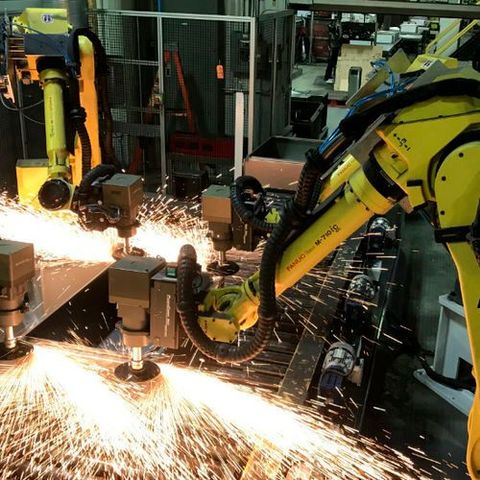
Machine automation refers to the use of control systems, software, and mechanical equipment to perform tasks with minimal human intervention. It exists to improve consistency, accuracy, and efficiency in repetitive or complex processes. Automation replaces or assists manual actions by relying on programmed logic, sensors, and feedback mechanisms.
The concept developed from early mechanical systems used in manufacturing and evolved alongside computing and electronics. Today, automation is found across production lines, logistics systems, energy management, and laboratory environments. Its primary purpose is to standardize operations while reducing dependency on continuous human control.
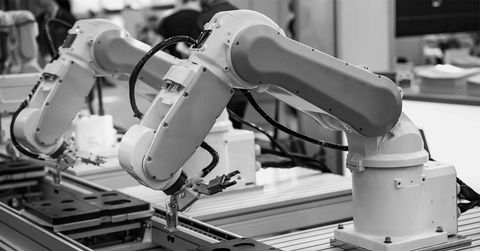
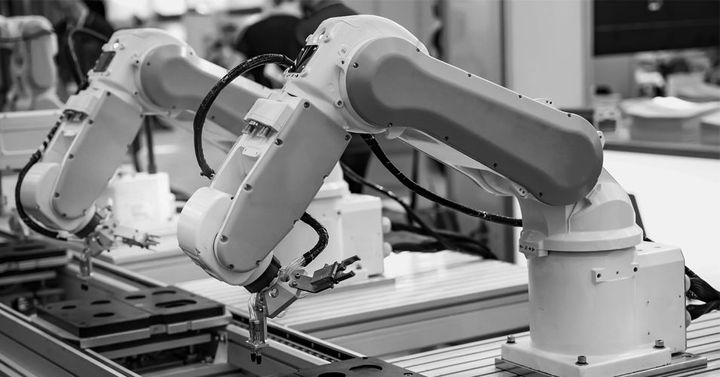
Machine automation is not limited to robotics. It also includes programmable controllers, automated inspection systems, motion control, and data-driven decision systems that respond to real-time inputs.
Why Machine Automation Matters Today
Automation plays a significant role in modern systems because operational complexity has increased across industries. Processes now demand higher precision, faster execution, and continuous operation, which manual methods cannot consistently deliver.
Key reasons this topic matters include:
-
Increased demand for consistent output quality
-
Reduction of human error in repetitive tasks
-
Improved operational safety in hazardous environments
-
Scalability of processes without proportional human effort
Machine automation affects engineers, system designers, plant operators, data analysts, and decision-makers who rely on predictable outcomes. It helps address challenges such as production variability, system downtime, and inefficient resource usage.
From a broader perspective, automation supports data-driven operations by generating measurable performance metrics. These insights allow organizations to analyze efficiency, detect faults early, and optimize workflows without subjective judgment.
Recent Trends and Updates in Machine Automation
Over the past year, machine automation has continued to evolve through advances in software intelligence, connectivity, and system integration.
Notable developments include:
-
Early 2025: Increased adoption of edge computing for automation systems, allowing faster local decision-making without reliance on centralized servers
-
Mid 2025: Expanded use of machine learning models for predictive maintenance, reducing unexpected system failures
-
Late 2025: Greater interoperability standards between automation hardware and industrial software platforms
Another visible trend is the integration of automation data with cloud-based dashboards for monitoring performance across distributed systems. This enables centralized visibility without direct physical access.
Collaborative automation, where machines operate alongside humans with safety-focused design, has also gained attention. These systems prioritize controlled motion, real-time sensing, and adaptive response.
Regulatory and Policy Considerations
Machine automation is influenced by technical standards and regulatory frameworks that focus on safety, reliability, and data integrity. While specific rules vary by region, common regulatory themes exist globally.
Key policy considerations include:
-
Equipment safety standards defining operational limits and emergency controls
-
Electrical and mechanical compliance requirements for automated systems
-
Data protection rules governing system logs and operational data
-
Workplace safety guidelines addressing automated machinery interaction
Automation systems are often required to undergo validation and periodic inspection to ensure continued compliance. Documentation, version control, and system traceability are also emphasized in regulated environments.
Government-supported programs in some regions encourage automation adoption for efficiency and sustainability, often through research initiatives and technical standardization rather than commercial incentives.
Common Tools and Learning Resources
Machine automation relies on a combination of hardware, software, and analytical tools. These resources support system design, monitoring, and optimization.
Commonly used tools include:
-
Programmable Logic Controllers for control logic execution
-
Human-Machine Interfaces for system visualization
-
Supervisory Control and Data Acquisition platforms
-
Industrial sensors and actuators for feedback and motion
Helpful learning and reference resources include:
-
Technical documentation libraries from standards organizations
-
Automation simulation software for system modeling
-
Online knowledge bases covering industrial protocols
-
Performance calculators for cycle time and throughput analysis
Example Table: Core Automation Components
| Component Type | Primary Function | Typical Application |
|---|---|---|
| Sensors | Detect physical conditions | Position, temperature |
| Controllers | Execute programmed logic | Process control |
| Actuators | Perform physical movement | Motors, valves |
| Interfaces | Display system status | Operator panels |
Frequently Asked Questions
What is the difference between machine automation and robotics?
Machine automation is a broader concept that includes robotics but also covers control systems, sensors, and software that automate processes without physical robots.
Is machine automation limited to manufacturing environments?
No. Automation is also used in energy systems, data centers, laboratories, and infrastructure management where consistent process control is required.
How does automation improve system reliability?
Automated systems follow predefined logic and real-time feedback, reducing variability and detecting faults earlier than manual observation.
Does machine automation eliminate human involvement entirely?
Human oversight remains essential for system design, monitoring, and exception handling. Automation reduces manual repetition, not decision responsibility.
Can automation systems adapt to changes?
Modern systems can adapt within defined parameters using sensors, feedback loops, and data-driven logic, especially when combined with adaptive algorithms.
Visual Overview of Automation Workflow
Process Flow Summary (Textual Representation)
-
Input data captured by sensors
-
Control logic evaluates conditions
-
Automated action executed by actuators
-
System feedback recorded and analyzed
This closed-loop structure enables continuous adjustment and performance tracking.
Conclusion
Machine automation represents a structured approach to managing complex processes through controlled, repeatable actions. Its value lies in improving consistency, safety, and operational insight across a wide range of applications.
As systems become more interconnected and data-focused, automation continues to shift from simple task execution to intelligent process coordination. Understanding its fundamentals, regulatory context, and supporting tools helps readers evaluate how automation functions within modern technical environments.
By focusing on accuracy, standardization, and measurable outcomes, machine automation remains a foundational element of efficient and resilient systems.

YOU MAY ALSO LIKE