Understanding Transformers: Types, Key Features, Benefits, and Uses
Transformers are electrical devices designed to change voltage levels in power systems. They allow electricity to be transmitted efficiently over long distances and then safely delivered at usable voltages for homes, industries, and infrastructure. Without transformers, modern power distribution would not be practical, as high-voltage transmission and low-voltage usage require constant voltage conversion.
In simple terms, transformers help balance efficiency and safety. From large power stations to neighborhood substations, equipment such as power distribution transformers, oil filled transformers, and dry type transformers play a central role in keeping electrical networks stable.
Importance: Why Transformers Matter Today
Transformers are essential to nearly every part of modern life. They affect electricity generation, transmission, and consumption across urban and rural areas. Their importance has grown with increased demand for reliable power, renewable energy integration, and grid modernization.
Transformers help solve several key challenges:
-
Reducing energy losses during long-distance transmission
-
Protecting electrical equipment from voltage fluctuations
-
Supporting expanding infrastructure, including data centers and electric mobility
Industries, utilities, hospitals, transportation systems, and households all depend on reliable transformer performance. Equipment like three phase transformers and pad mounted transformers ensures consistent power delivery in complex electrical networks.
Types of Transformers
Transformers are classified based on design, application, insulation, and cooling method. The most commonly used types include the following.
Based on Application
-
Power Transformers: Used in generation and transmission networks, typically at high voltage levels
-
Power Distribution Transformers: Installed closer to end users to reduce voltage for safe consumption
Based on Construction and Installation
-
Pad Mounted Transformers: Enclosed units placed at ground level for urban and residential areas
-
Pole Mounted Transformers: Common in overhead distribution systems
Based on Phase Configuration
-
Single Phase Transformers: Used for low-load residential applications
-
Three Phase Transformers: Used in industrial and commercial environments for higher efficiency
Based on Insulation and Cooling
-
Oil Filled Transformers: Use transformer oil for insulation and heat dissipation
-
Dry Type Transformers: Use air or solid insulation, often preferred for indoor environments
Based on Measurement and Protection
-
Current Transformers: Including specialized equipment such as 33kv current transformer manufacturer designs, used for measurement and protection in high-voltage systems
Benefits and Applications
Transformers provide both technical and operational benefits across power systems.
Key Benefits
-
Improved transmission efficiency
-
Enhanced electrical safety
-
Voltage stability and control
-
Long service life with proper maintenance
Common Applications
-
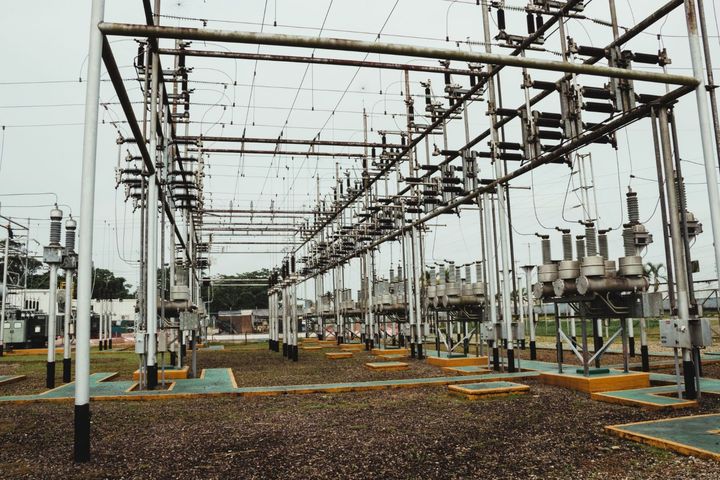
Electrical substations and transmission networks
-
Industrial plants and manufacturing facilities
-
Commercial buildings and data centers
-
Renewable energy systems such as wind and solar
The use of transformer oil manufacturers’ products and hermetically sealed transformer oil testing practices helps extend equipment reliability and reduce environmental risks.
Transformer Types and Typical Uses (Overview Table)
| Transformer Type | Typical Voltage Range | Common Use Case |
|---|---|---|
| Power Transformer | High voltage | Transmission substations |
| Power Distribution Transformers | Medium to low voltage | Local distribution networks |
| Three Phase Transformers | Medium to high voltage | Industrial facilities |
| Pad Mounted Transformers | Medium voltage | Urban and residential areas |
| Dry Type Transformers | Low to medium voltage | Indoor installations |
Leading Provider Company Names
Several globally recognized companies design and manufacture transformer systems and components. Examples include:
-
ABB
-
Siemens Energy
-
GE Grid Solutions
-
Schneider Electric
-
Hitachi Energy
These organizations contribute to innovation across power transformer manufacturers and related technologies.
Recent Updates and Industry Trends
Over the past year, transformer technology has continued to evolve.
-
2025: Increased focus on energy-efficient transformer designs to support grid decarbonization
-
2025: Wider adoption of smart monitoring systems for oil filled transformers
-
2024–2025: Growing use of advanced diagnostics, including online transformer oil testing
-
2025: Expansion of compact pad mounted transformers for urban infrastructure
These developments reflect global efforts to modernize power grids and reduce downtime through predictive maintenance.
Laws, Policies, and Regulatory Influence
Transformer manufacturing and operation are shaped by national and international standards. In many countries, regulations focus on:
-
Energy efficiency requirements for power distribution transformers
-
Environmental controls related to transformer oil handling
-
Safety standards for installation and operation
Government programs supporting renewable energy and grid upgrades also influence transformer demand. Compliance with electrical safety codes and efficiency labeling schemes remains essential for utilities and manufacturers.
Tools and Resources
Several tools and resources support transformer selection, operation, and maintenance.
-
Transformer sizing and load calculation tools
-
Online insulation and efficiency calculators
-
Standards published by IEC and IEEE
-
Utility guidelines for transformer oil testing and maintenance
-
Educational resources from engineering institutions
These resources help engineers, planners, and students better understand transformer behavior and performance.
Frequently Asked Questions
What is the main function of a transformer?
A transformer changes voltage levels to enable efficient transmission and safe usage of electricity.
Why are three phase transformers widely used in industry?
They provide higher efficiency, smoother power delivery, and better performance for heavy electrical loads.
What is the difference between oil filled and dry type transformers?
Oil filled transformers use insulating oil for cooling, while dry type transformers rely on air or solid insulation.
Why is transformer oil testing important?
Testing helps identify insulation degradation, moisture, or contamination that could affect performance.
Where are pad mounted transformers commonly installed?
They are typically used in residential and commercial areas where underground power distribution is preferred.
Conclusion
Transformers are foundational components of modern electrical systems. From power generation to final consumption, they ensure electricity is delivered efficiently, safely, and reliably. Understanding transformer types, benefits, regulations, and recent trends helps clarify their role in supporting growing energy demands and evolving infrastructure.
As power networks continue to expand and modernize, advancements in transformer design, monitoring, and standards will remain central to maintaining stable and resilient electrical systems.
Disclaimer: Any references to technical specifications or industry practices are informational and may vary by region and regulatory framework.

YOU MAY ALSO LIKE