Complete Guide to Tunnel Boring Machines: Technology, Process, and Applications
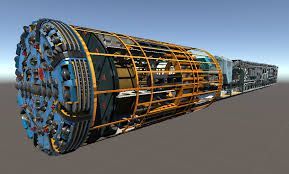
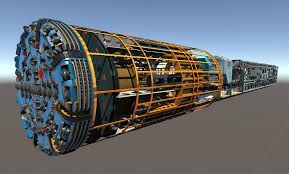
A Tunnel Boring Machine (TBM) is a large mechanical device used to excavate tunnels underground through soil and rock. TBMs hollow out a tunnel in a single continuous process, rather than using traditional drilling and blasting methods. They cut through ground materials with a rotating cutterhead at the front and remove debris via conveyors, creating smooth, circular tunnel walls as they advance.
TBMs exist because modern infrastructure—such as metro systems, road tunnels, water and utility passages—requires safe, efficient excavation with minimal disruption to communities and surface environments.
Importance – Why TBMs Matter Today
Urban Infrastructure:
As cities grow, underground space is increasingly used for subways, roads, and utility corridors. TBMs enable construction beneath busy areas without shutting down streets or disturbing buildings above.
Safety and Precision:
TBMs reduce risks associated with blasting, such as ground vibration and air pollution. Their controlled excavation supports safer work environments.
Efficiency and Scale:
TBMs can continuously bore long distances with minimal surface disruption, making them suited for major transport corridors and large infrastructure projects.
Wide Use Cases:
-
Transport tunnels (metro, rail, highways)
-
Water and sewage systems
-
Underground utilities (power, telecom)
-
Mining access
-
Undersea or river crossings
Recent Updates – Trends and New Developments
Infrastructure Milestones:
• In December 2025, the Chennai Metro project launched a TBM named Peacock for an underground drive beneath active railway tracks, marking complex engineering progress.
• Another TBM named Melagiri completed a challenging breakthrough under dense urban sections in Chennai’s Phase 2 metro expansion in December 2025.
• India lowered its largest Single Shield TBM (13.34 m diameter) for Mumbai’s Thane–Borivali tunnel in December 2025, part of an 11.8 km urban tunnel project.
Tech and Market Trends:
• Smart technologies such as AI, automation, and real-time sensors are increasingly integrated into TBMs to improve efficiency, safety, and predictive maintenance.
• Miniaturized TBMs are emerging for tight, urban utility and residential projects.
• Enhanced cutterhead systems and digital twin monitoring are helping machines adapt to complex geological formations.
Laws or Policies – Rules and Standards Affecting TBMs
While the specifics vary by country, there are international standards and safety regulations that apply to TBMs’ design and use.
Safety Standards:
European standards such as EN 16191 define safety requirements for TBM machinery and systems, covering hazards, control systems, ergonomics, and protective measures. These standards guide safe design, use, and maintenance of tunnelling equipment in many regions and may influence global norms.
Infrastructure Regulations:
In infrastructure projects, TBM use must comply with construction codes, environmental impact assessments, and urban planning permissions. Governments often require strict monitoring of ground settlement and excavation safety to protect adjacent structures and utilities.
In many countries, public works involving tunnels (metros, roads, utilities) are subject to environmental, zoning, and safety laws that affect how TBM operations are planned, installed, and monitored.
Tools and Resources – Helpful References and Technical Tools
Engineering and Simulation Tools:
-
CESAR modelling tools for settlement and volume loss analysis in TBM excavation projects.
Industry Standards Documentation:
-
EN 16191 & related safety standards for TBMs provide regulatory guidance for design and operation.
-
International Tunnelling Association guidelines explain mechanical tunnelling principles and best practices.
Professional Organizations:
-
International Tunnelling and Underground Space Association (ITA-AITES) publishes technical papers and best practices for TBMs.
-
Engineering societies and tunnelling forums share research, case studies, and project updates.
Educational and Research Platforms:
-
Technical journals and research archives publish current studies on TBM performance, automation, and geological adaptation.
FAQs – Common Questions About Tunnel Boring Machines
What types of ground can TBMs handle?
TBMs are designed for various conditions, from hard rock to soft soil. Specific machines (e.g., slurry or Earth Pressure Balance types) are chosen based on geology to control pressure and ground stability.
How does a TBM differ from drill-and-blast?
TBMs provide continuous mechanical excavation, reducing vibration, noise, and surface disruption compared to drilling holes and using explosives.
How deep can TBMs operate?
TBMs can work at varying depths, from shallow utility tunnels to deep transport links beneath cities or water bodies, depending on project design.
Are TBMs fully automatic?
Modern TBMs integrate automation and sensors, but skilled engineers and technicians still monitor and control operations to respond to geological changes and safety concerns.
What determines TBM tunnel shape?
Most TBM tunnels are circular for structural strength and ease of lining installation, though other shapes are possible with different technologies or post-excavation adjustments.
Conclusion
Tunnel Boring Machines are a foundational technology for modern underground infrastructure. They enable safe, efficient excavation beneath cities and sensitive environments. Recent developments include integration of smart systems, larger and more capable machines for major transport projects, and evolving standards to ensure safe design and operation. Whether for transit, utilities, or mining, TBMs continue to play a critical role in shaping the subterranean landscape of 21st-century infrastructure.