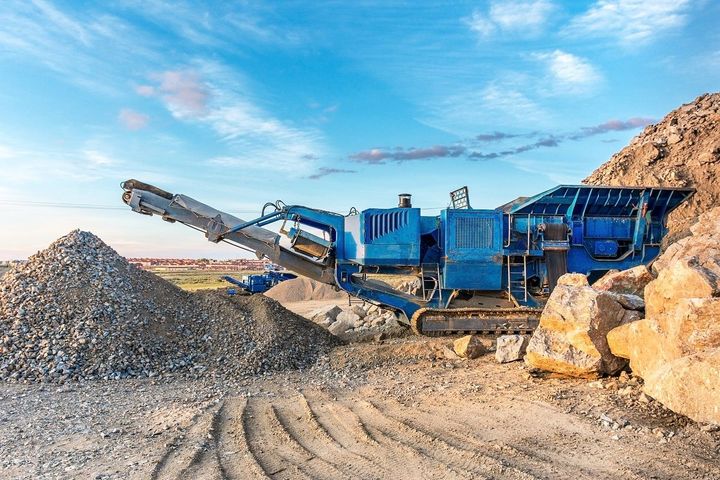
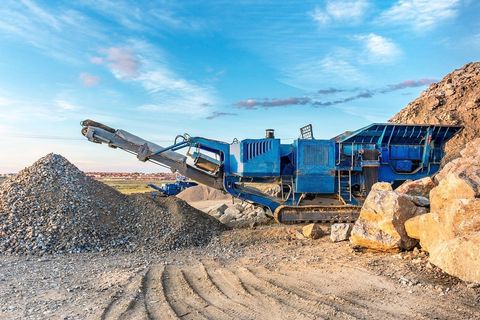
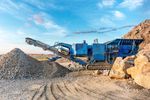
The need for industrial crusher machines developed alongside large-scale construction and mining operations. As infrastructure projects expanded globally, industries required reliable aggregate crushing technology to process stone, ore, concrete, and other hard materials efficiently.
Modern crusher systems are engineered for durability, precision, and operational safety. They form a key component of mining equipment systems and aggregate production lines. The machines vary in size, capacity, and mechanical design depending on the type of material and required output.
Common types of crusher machines include:
Each type serves specific industrial functions based on hardness, abrasiveness, and production requirements.
Why Crusher Machines Matter in Modern Industry
Industrial crusher machines play a critical role in sectors that rely on raw material processing. Without effective material size reduction equipment, large-scale infrastructure and industrial projects would face significant logistical challenges.
Crusher machines are important because they:
-
Enable efficient mineral processing
-
Support road and building construction projects
-
Improve material uniformity for manufacturing
-
Assist in recycling and waste management
-
Enhance productivity in aggregate production
Industries affected include:
-
Mining and mineral extraction
-
Construction and infrastructure
-
Cement manufacturing
-
Quarry operations
-
Recycling and environmental management
Crusher technology helps solve problems such as:
-
Oversized material handling
-
Inefficient transport logistics
-
Inconsistent aggregate grading
-
High operational downtime
In modern operations, automated crusher systems integrate with conveyor belts, screening units, and digital monitoring platforms. This reduces human exposure to hazardous environments and improves equipment performance monitoring.
Types of Crusher Machines and Their Industrial Applications
Different crusher machines are designed for specific tasks. Understanding their function supports better equipment planning and regulatory compliance.
Jaw Crusher Systems
Jaw crushers are primary crushers used in mining and quarry operations. They operate through compressive force, breaking material between a fixed jaw and a moving jaw.
Typical applications:
Cone Crusher Technology
Cone crushers are secondary or tertiary crushers used to refine material size after initial crushing. They use a rotating cone inside a hardened shell to crush materials.
Applications include:
Impact Crusher Applications
Impact crushers use high-speed impact force to break materials. They are suitable for softer materials and recycling applications.
Used for:
-
Concrete recycling
-
Asphalt processing
-
Limestone reduction
The table below summarizes major crusher types and their typical use cases:
| Crusher Type | Primary Function | Suitable Materials | Industry Use |
|---|
| Jaw Crusher | Primary reduction | Hard rock, ore | Mining, quarrying |
| Cone Crusher | Secondary/tertiary | Aggregates, minerals | Construction |
| Impact Crusher | Impact-based reduction | Concrete, asphalt | Recycling |
| Gyratory Crusher | Large-scale primary | High-capacity rock | Heavy mining |
| Roll Crusher | Fine reduction | Coal, softer minerals | Energy sector |
Recent Updates and Industry Trends
In 2025, industrial equipment manufacturers have emphasized automation, digital integration, and energy efficiency in crusher machine technology.
Recent trends include:
-
Smart monitoring systems using IoT sensors
-
Predictive maintenance software integration
-
Hybrid and electric-powered crusher units
-
Enhanced dust suppression systems
-
Improved noise reduction designs
For example, global manufacturers such as Metso and Sandvik have introduced advanced digital monitoring platforms that allow operators to track equipment performance in real time.
In 2025, environmental compliance standards have increased emphasis on:
-
Reduced particulate emissions
-
Energy-efficient crushing mechanisms
-
Lower carbon footprint equipment design
Sustainability goals across infrastructure sectors have influenced crusher design improvements, particularly in recycling and circular economy operations.
Laws, Regulations, and Workplace Compliance
Crusher machines are subject to occupational safety regulations, environmental standards, and equipment certification requirements. Compliance depends on the country where the equipment operates, but international frameworks provide general guidance.
In the United States, industrial safety practices align with standards issued by Occupational Safety and Health Administration (OSHA). OSHA guidelines address:
Environmental compliance is overseen by agencies such as the Environmental Protection Agency (EPA), which regulates air quality and emissions related to industrial operations.
In Europe, workplace safety aligns with directives from the European Agency for Safety and Health at Work. Equipment must comply with CE marking requirements under relevant machinery directives.
Common regulatory considerations include:
-
Risk assessment documentation
-
Operator training certification
-
Equipment inspection schedules
-
Emergency stop systems
-
Dust suppression systems
Industrial operators must maintain maintenance logs and safety documentation to demonstrate compliance during audits.
Safety Advice for Crusher Machine Operations
Crusher machines involve high mechanical force, rotating components, and heavy materials. Strict safety measures are essential.
Key safety practices include:
-
Conducting routine equipment inspections
-
Using proper machine guarding systems
-
Implementing lockout/tagout procedures during maintenance
-
Providing operator training programs
-
Monitoring vibration and temperature levels
Dust control systems, such as water spray suppression and enclosed crushing units, help reduce airborne particulate exposure.
Noise levels in crushing plants can exceed recommended occupational exposure limits. Therefore, hearing protection and acoustic enclosures are commonly required.
Safety planning should include:
-
Emergency shutdown protocols
-
Clear hazard signage
-
Defined exclusion zones around active crushers
-
Incident reporting systems
Tools and Resources for Crusher Machine Management
Several digital tools and professional resources assist with equipment planning and compliance.
Helpful resources include:
-
Equipment performance monitoring software
-
Predictive maintenance analytics platforms
-
Industrial risk assessment templates
-
Environmental compliance tracking systems
-
Digital maintenance logbooks
Engineering professionals often use simulation tools to model material flow and optimize aggregate crushing technology before installation.
Professional standards bodies provide technical guidance on mechanical design and workplace safety. Organizations such as the International Organization for Standardization publish standards related to machinery safety and quality management systems.
Training resources may include:
-
Industrial safety certification courses
-
Equipment operator manuals
-
Hazard communication training materials
-
Environmental management system frameworks
The simplified flow diagram below illustrates a basic crushing process:
Raw Material → Primary Crusher → Secondary Crusher → Screening → Final Aggregate Output
This sequential process ensures controlled material size reduction and quality consistency.
Frequently Asked Questions
What materials can crusher machines process?
Crusher machines can process rock, ore, concrete, asphalt, coal, limestone, and various industrial minerals. Material hardness determines the appropriate crusher type.
How often should crusher equipment be inspected?
Inspection frequency depends on operational intensity and regulatory requirements. Daily visual checks and scheduled preventive maintenance are standard practice.
Are crusher machines environmentally regulated?
Yes. Air emissions, dust control, and noise levels are regulated in many countries. Operators must comply with environmental standards and maintain documentation.
What is the difference between a jaw crusher and a cone crusher?
A jaw crusher is typically used for primary crushing of large materials, while a cone crusher is used for secondary or tertiary reduction to achieve finer output.
Can crusher systems be automated?
Yes. Modern crusher machines integrate digital monitoring systems, remote diagnostics, and automated control panels to enhance efficiency and safety.
Conclusion
Crusher machines are essential components of mining equipment systems and construction infrastructure. They enable efficient material size reduction, support industrial productivity, and contribute to modern aggregate crushing technology.
Recent advancements in automation, environmental performance, and safety monitoring have strengthened operational reliability. Regulatory compliance remains a critical factor, requiring adherence to workplace safety standards and environmental protection guidelines.
Understanding crusher machine types, applications, and safety practices supports informed decision-making in industrial environments. As industries continue to modernize, crusher technology will remain central to sustainable and efficient material processing operations.