Learn the Limits of Air Compressors: Complete Guide, Basics, and Detailed Explanation
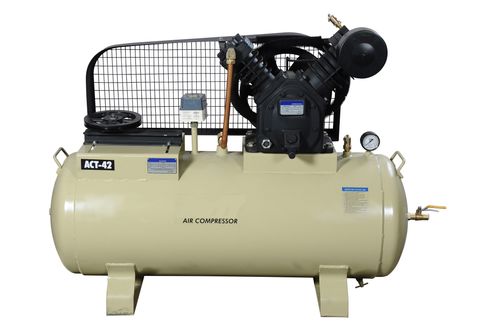
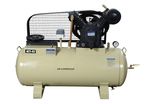
Air compressors are mechanical devices designed to convert power into compressed air for various industrial, commercial, and technical applications. They operate by reducing the volume of air and increasing its pressure, allowing stored energy to be used when needed.
Every air compressor has defined operational limits. These limits include pressure capacity, airflow output, duty cycle, temperature tolerance, and operational lifespan. The concept of limits exists to ensure safe operation, prevent mechanical failure, and maintain performance stability over time.
Understanding air compressor limits helps users match equipment capabilities with application requirements. Ignoring these limits can result in inefficiency, system strain, or unexpected shutdowns.
Importance: Why Air Compressor Limits Matter Today
Air compressor limits matter because compressed air systems are widely used across manufacturing, construction, healthcare, automotive maintenance, energy systems, and laboratory environments.
Modern applications demand higher efficiency, lower energy waste, and improved reliability. Operating beyond recommended limits can reduce efficiency and increase downtime.
Key reasons this topic is important include:
-
Increasing use of automation and pneumatic tools
-
Higher focus on energy efficiency and emission reduction
-
Greater emphasis on equipment safety and lifecycle management
-
Growing reliance on continuous-operation systems
Air compressor limits affect equipment operators, engineers, facility managers, maintenance planners, and system designers. Understanding these limits helps prevent overheating, pressure imbalance, excessive moisture buildup, and mechanical wear.
Core Limits of Air Compressors Explained
Air compressor limits are defined by several technical parameters that work together.
Pressure Rating (PSI or Bar)
This defines the maximum pressure the compressor can safely produce. Exceeding this limit can damage internal components and connected tools.
Airflow Capacity (CFM or L/min)
Airflow determines how much air the system delivers over time. A mismatch between demand and airflow leads to pressure drops and unstable operation.
Duty Cycle
Duty cycle refers to how long a compressor can operate within a given time frame. Some systems are designed for intermittent use, while others support continuous operation.
Temperature Limits
Excess heat affects lubrication, seals, and motor efficiency. Thermal limits protect compressors from overheating and premature failure.
Power Input Limits
Electrical and mechanical power limits determine how much energy the compressor can safely draw and convert.
Recent Updates: Industry Changes and Trends
Over the past year, several trends have influenced how air compressor limits are defined and managed.
2025 – Increased Focus on Energy Efficiency
Manufacturers have introduced smarter control systems that adjust output based on real-time demand, reducing unnecessary load.
2024 – Growth of Variable Speed Technology
Variable speed compressors gained wider adoption, allowing systems to operate closer to optimal limits instead of fixed maximum output.
2024 – Improved Monitoring Sensors
Advanced sensors now track pressure, temperature, and airflow continuously, helping prevent limit violations before they occur.
Late 2025 – Emphasis on Predictive Maintenance
Data-driven maintenance tools have become more common, enabling early detection of stress caused by operating near upper limits.
These developments reflect a broader shift toward intelligent system management rather than pushing compressors to constant maximum capacity.
Laws or Policies Affecting Air Compressor Limits
Air compressor operation is influenced by safety standards, environmental guidelines, and workplace equipment regulations.
Common regulatory considerations include:
-
Maximum allowable working pressure standards
-
Electrical safety and motor efficiency classifications
-
Noise exposure guidelines in work environments
-
Emission and energy efficiency benchmarks
-
Equipment labeling and compliance documentation
These policies aim to ensure safe operation, protect users, and promote responsible energy usage. Compliance often requires operating compressors within clearly defined limits and maintaining proper documentation.
Tools and Resources for Understanding Compressor Limits
Several tools and resources help users evaluate and manage air compressor limits effectively.
Calculation and Monitoring Tools
-
Airflow requirement calculators
-
Pressure drop estimation tools
-
Duty cycle assessment charts
-
Thermal load monitoring systems
Technical References
-
Manufacturer specification sheets
-
Equipment operation manuals
-
Industry performance benchmarks
-
Maintenance scheduling templates
Digital Resources
-
System performance dashboards
-
Sensor-based alert systems
-
Load analysis software
-
Preventive maintenance trackers
These resources help align compressor capability with actual usage demands.
Comparison Table: Common Air Compressor Limits
| Parameter | Typical Range | Why It Matters |
|---|---|---|
| Pressure Output | Medium to high pressure ranges | Protects system integrity |
| Airflow Capacity | Application-dependent | Ensures consistent tool performance |
| Duty Cycle | Intermittent to continuous | Prevents overheating |
| Operating Temperature | Defined safe range | Maintains efficiency |
| Power Consumption | Rated motor capacity | Avoids overload |
Graph Overview: Operating Range vs Efficiency
A typical performance graph shows efficiency peaking when compressors operate between 60% and 80% of their rated capacity. Efficiency declines near maximum limits due to heat buildup and mechanical strain. Operating well below minimum demand can also reduce efficiency because of frequent cycling.
FAQs: Common Questions About Air Compressor Limits
What happens if an air compressor exceeds its pressure limit?
Exceeding pressure limits can damage internal components, increase safety risk, and reduce system reliability.
Is higher airflow always better?
No. Excess airflow beyond demand can lead to energy waste and increased wear without improving performance.
Can compressors run continuously at maximum capacity?
Most systems are not designed for constant maximum output. Continuous operation requires appropriate duty cycle ratings.
How do temperature limits affect compressor lifespan?
Operating beyond temperature limits accelerates wear, degrades lubrication, and increases failure risk.
Why are manufacturer limits important to follow?
These limits are based on design testing and safety standards, ensuring stable and predictable performance.
Conclusion: Why Knowing Air Compressor Limits Matters
Understanding the limits of air compressors is essential for safe, efficient, and reliable operation. These limits define how pressure, airflow, temperature, and duty cycle interact within a system.
Recent advancements emphasize smarter operation rather than maximum output. Regulatory frameworks and technical tools reinforce the importance of staying within defined boundaries.
By recognizing and respecting air compressor limits, users can improve performance stability, reduce operational strain, and support long-term system reliability without unnecessary risk.