Industrial Dust Collector Operation & Maintenance Guide: Best Practices, Safety, and Troubleshooting
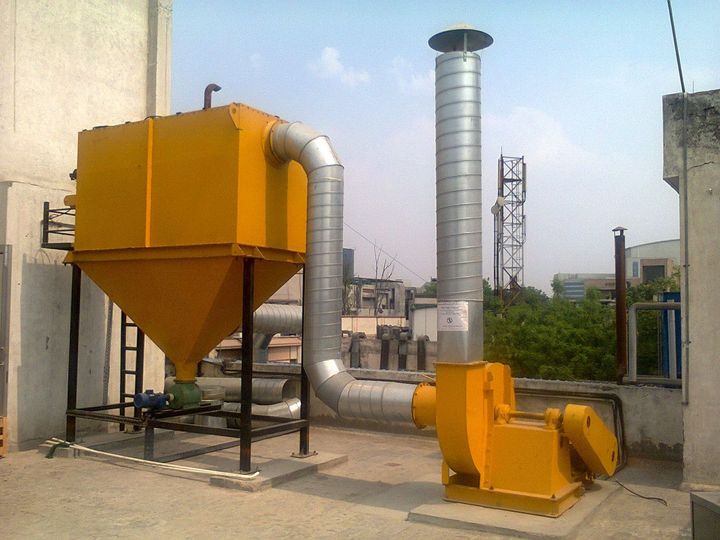
Industrial dust collectors are engineered systems designed to capture, filter, and manage airborne particulate matter generated during manufacturing, processing, and material handling activities. These particles may include metal dust, wood fibers, silica, powders, or other fine materials released into the air.
The primary purpose of a dust collector is to maintain clean air within industrial environments. By removing dust at its source, these systems support safer working conditions, protect equipment, and help facilities meet environmental and occupational requirements. Proper operation and maintenance ensure the system performs as intended over its service life.
Importance: Why Industrial Dust Collector Maintenance Matters
Dust collection is a critical element of modern industrial operations. Poorly maintained systems can lead to reduced efficiency, increased emissions, and elevated safety risks.
This topic matters because it affects:
-
Workers exposed to airborne dust
-
Facility managers responsible for compliance and uptime
-
Equipment that can be damaged by dust accumulation
-
Surrounding communities impacted by emissions
Common problems addressed through proper operation and maintenance include:
-
Fire and explosion risks from combustible dust
-
Respiratory hazards linked to fine particulate exposure
-
Unplanned downtime due to clogged filters or fan failure
-
Excessive wear on ducts, blowers, and collection components
Consistent maintenance reduces these risks and supports stable, predictable system performance.
Recent Updates: Changes and Trends in the Past Year
Over the past year, several developments have influenced how industrial dust collectors are managed.
In 2025, increased attention was placed on combustible dust hazard analysis in manufacturing and processing facilities. Industry guidance emphasized routine inspection, documentation, and housekeeping as part of dust management programs.
Automation and monitoring trends continued into early 2026, with wider use of:
-
Differential pressure sensors for filter condition tracking
-
Smart controllers for pulse-jet cleaning optimization
-
Digital maintenance logs replacing paper-based records
There has also been growing alignment between environmental air quality goals and workplace exposure limits, reinforcing the role of dust collectors as both safety and environmental control systems.
Laws or Policies: Regulatory and Compliance Considerations
Industrial dust collector operation is influenced by multiple layers of regulation, depending on the country and industry.
Common regulatory areas include:
-
Occupational health and safety rules addressing airborne contaminants
-
Environmental protection standards governing particulate emissions
-
Fire and building codes related to combustible dust control
In the United States, guidance from occupational safety and environmental agencies outlines acceptable exposure limits and emission thresholds. National Fire Protection Association standards provide detailed frameworks for managing combustible dust risks through system design, inspection, and maintenance.
In other regions, similar requirements exist under workplace safety directives and industrial emissions regulations. Compliance typically depends on proper system design, routine maintenance, and accurate recordkeeping.
Tools and Resources: Practical Support for Operation and Maintenance
Several tools and resources can help improve dust collector management.
Commonly used resources include:
-
Differential pressure gauges to monitor filter loading
-
Maintenance checklists for daily, weekly, and annual tasks
-
Airflow calculators to verify system balance and capture velocity
-
Digital logbooks for inspection and maintenance records
-
Industry standards and technical handbooks on dust control design
Educational materials from safety organizations and engineering associations are also valuable for understanding best practices and evolving requirements.
FAQs: Common Questions About Industrial Dust Collectors
How often should a dust collector be inspected?
Visual checks are typically done daily or weekly, while more detailed inspections of filters, seals, and fans are performed monthly or quarterly, depending on usage and dust type.
What are signs of poor dust collector performance?
Common indicators include rising differential pressure, visible dust leakage, reduced airflow at pickup points, unusual noise from the fan, and frequent filter cleaning cycles.
Why is filter maintenance so important?
Filters are the core of the system. Damaged or overloaded filters reduce efficiency, increase emissions, and place additional strain on fans and motors.
How does dust type affect maintenance needs?
Fine, sticky, abrasive, or combustible dusts each present different challenges. Dust characteristics influence filter media selection, cleaning frequency, and inspection focus.
Can dust collectors help with explosion prevention?
When properly designed and maintained, dust collectors play a role in controlling dust concentrations. Additional safeguards, such as isolation and venting, are often required for combustible dusts.
Conclusion
Industrial dust collectors are essential systems for controlling airborne particulate matter in industrial environments. Their effectiveness depends not only on design, but on consistent, informed operation and maintenance.
By understanding why these systems exist, recognizing their importance, staying aware of recent developments, and following applicable regulations, organizations can reduce health risks, improve reliability, and maintain compliance. Clear procedures, regular inspections, and the right tools form the foundation of effective dust collector management.