Laser Cutting Machines: Complete Guide to Precision Cutting Technology
Laser cutting technology has changed the way modern manufacturing and metal shaping work.
From automotive parts to decorative metal panels, laser-based cutting methods help create clean edges and highly accurate shapes with minimal material waste.
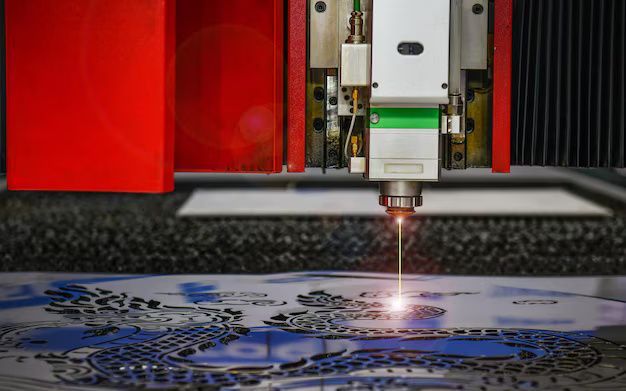
A fiber laser cutting machine uses a focused beam of light to cut through metal and other materials with impressive precision. Unlike older cutting methods that rely on heavy mechanical pressure, laser cutting works through concentrated heat energy. This makes the process faster, cleaner, and more efficient for many industries.
Today, industrial laser cutting systems are used in factories, workshops, and production facilities around the world. They help create everything from machine parts to architectural designs while maintaining high levels of consistency and accuracy.
Understanding the Concept
Laser cutting is a manufacturing process that uses a powerful laser beam to cut, shape, or engrave materials. The laser produces intense heat that melts, burns, or vaporizes material along a programmed cutting path.
The process is controlled by computer instructions, allowing the machine to follow exact measurements and complex patterns. A CNC laser cutter for metal combines computer-controlled movement with laser precision to produce highly detailed cuts.
The term CNC stands for Computer Numerical Control. This means the machine follows digital instructions rather than manual operation. As a result, manufacturers can repeat the same design many times with nearly identical results.
Laser cutting is commonly used for:
- Steel sheets
- Aluminum panels
- Stainless steel parts
- Brass and copper components
- Industrial equipment frames
- Decorative metal designs
Because the process is highly accurate, it is suitable for industries where precision matters greatly.
Key Types or Categories
There are several kinds of laser cutting machines, each designed for specific applications and materials.
Fiber Laser Machines
Fiber laser technology is widely used for metal cutting because of its speed and energy efficiency. A fiber laser cutting machine can handle thin and thick metals while maintaining excellent cutting quality.
These machines are commonly used for:
- Sheet metal fabrication
- Automotive components
- Industrial equipment
- Precision engineering
Fiber lasers also require less maintenance compared to older laser systems.
CO2 Laser Machines
CO2 lasers work well for non-metal materials such as wood, acrylic, leather, and plastics. They are also used for some thin metal applications.
These machines are popular in:
- Sign making
- Packaging design
- Artistic engraving
- Decorative production
Crystal Laser Machines
Crystal laser systems use specialized crystals to generate the laser beam. They can process both metals and non-metals, though they are less common in large-scale production today.
5 Axis Laser Cutting Equipment
A 5 axis laser cutting machine can move in multiple directions at the same time. This allows the machine to cut highly detailed shapes and curved surfaces that standard machines cannot easily handle.
Industries using this technology include:
- Aerospace manufacturing
- Automotive engineering
- Advanced machinery production
- Complex metal fabrication
Important Subsections
Laser Power Levels
Laser machines come with different power ratings. Higher power levels can cut thicker materials faster, while lower power systems are suitable for thinner materials and detailed work.
Cutting Accuracy
Modern machines can create extremely precise cuts with very small tolerances. This is important for industries that require perfectly fitting parts.
Material Compatibility
Different laser systems work better with certain materials. Some machines specialize in metal, while others focus on plastics, wood, or composite materials.
How It Works
Laser cutting follows a straightforward but highly advanced process.
Step 1: Digital Design Creation
The process begins with a computer-based design. Engineers or designers create a digital drawing that defines the shape and dimensions of the final product.
Step 2: Machine Programming
The design file is sent to the laser machine. The CNC system converts the design into movement instructions for the cutting head.
Step 3: Material Placement
The metal sheet or material is placed on the machine bed. Proper positioning ensures accurate cutting.
Step 4: Laser Beam Generation
The laser source generates an intense beam of light. Mirrors or fiber optics guide the beam toward the cutting head.
Step 5: Precision Cutting
The focused beam heats the material rapidly, causing it to melt or vaporize along the programmed cutting path.
Assist gases such as nitrogen or oxygen may help remove melted material and improve edge quality.
Step 6: Finishing and Inspection
After cutting is complete, the parts are inspected for accuracy and surface quality. Minimal finishing is usually needed because laser cuts are clean and smooth.
Benefits and Advantages
Laser cutting technology provides many practical advantages for modern manufacturing.
High Precision
Laser machines create highly accurate cuts with clean edges. This reduces the need for additional finishing work.
Faster Production
Industrial laser cutting systems can process materials quickly, helping manufacturers improve productivity.
Reduced Material Waste
The narrow laser beam allows tight cutting patterns, which helps maximize material usage.
Consistent Results
Computer-controlled systems maintain uniform quality across large production runs.
Flexible Design Capability
Laser technology can create complex patterns and intricate details that are difficult with traditional cutting tools.
Cleaner Working Process
Unlike some older cutting methods, laser cutting creates less physical contact with the material, reducing wear on equipment.
Adaptability for Various Industries
Custom metal laser cutting is useful for many industries because it can produce both standard and highly specialized components.
Real-World Examples or Applications
Laser cutting machines are used in many everyday products and industries.
Automotive Manufacturing
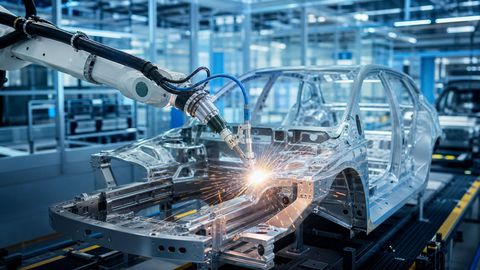
Vehicle manufacturers use laser cutting for body panels, brackets, exhaust systems, and structural components. Precision cutting helps improve part consistency and assembly accuracy.
Construction and Architecture
Architectural firms use laser-cut metal panels for decorative walls, railings, and building facades. Complex artistic designs can be created with remarkable detail.
Aerospace Engineering
Aircraft manufacturers rely on precise cutting for lightweight metal components. A 5 axis laser cutting machine is especially useful for creating curved and complex aerospace parts.
Medical Equipment
Medical device manufacturers use laser cutting for surgical tools and precision components where exact measurements are essential.
Electronics Industry
Laser cutting helps produce metal enclosures, connectors, and small precision parts used in electronic devices.
Furniture and Interior Design
Decorative metal furniture and modern interior elements often use custom metal laser cutting to create stylish patterns and detailed designs.
Important Factors to Understand
Before using laser cutting technology, several important factors should be considered.
Material Thickness
Different machines handle different material thicknesses. Higher-powered systems generally work better for thicker metals.
Edge Quality
Cut quality depends on machine settings, laser power, and cutting speed. Proper calibration improves final results.
Heat Impact
Laser cutting produces heat, which may affect some sensitive materials. Proper cooling and process control help minimize heat-related distortion.
Machine Maintenance
Regular inspection and cleaning help maintain cutting accuracy and machine performance.
Operator Knowledge
Even though CNC systems automate much of the work, trained operators still play an important role in setup, monitoring, and quality control.
Production Volume
Some laser systems are designed for small precision projects, while others are built for continuous industrial production.
Future Trends and Industry Insights
Laser cutting technology continues to evolve rapidly as industries demand greater precision and efficiency.
Increased Automation
Modern systems increasingly use automation for loading, unloading, and material handling. This improves workflow efficiency and reduces manual intervention.
Smart Manufacturing Integration
Many industrial laser cutting systems now connect with digital production networks. This allows manufacturers to monitor machine performance and production data in real time.
Improved Energy Efficiency
Newer fiber laser cutting machine designs focus on lower energy consumption while maintaining strong cutting performance.
Advanced Multi-Axis Capabilities
More manufacturers are adopting 5 axis laser cutting machine technology for advanced production needs involving curved and complex shapes.
Better Precision for Small Components
As industries such as electronics and medical manufacturing continue to grow, demand for extremely precise cutting solutions is increasing.
Expanded Material Compatibility
Researchers continue developing laser systems capable of processing a wider variety of materials with improved efficiency and accuracy.
Conclusion
Laser cutting technology has become an essential part of modern manufacturing because of its precision, speed, and flexibility. From automotive production to decorative metal fabrication, laser systems help create accurate and detailed components for many industries.
A CNC laser cutter for metal allows manufacturers to produce complex designs with consistent quality and reduced material waste. Advanced equipment such as a fiber laser cutting machine and a 5 axis laser cutting machine further expand the possibilities for precision engineering and industrial production.
As technology continues to improve, industrial laser cutting systems will likely become even more efficient, automated, and versatile. Their ability to support custom metal laser cutting and advanced manufacturing processes ensures they will remain an important tool across many industries in the future.