Commercial Water Heaters Overview: Types & Applications
Commercial water heaters are designed to provide dependable hot water for buildings and facilities with greater demand than a typical household.
Restaurants, hotels, hospitals, schools, apartment buildings, offices, manufacturing facilities, and other commercial properties may require continuous or high-volume hot water throughout the day.
Modern commercial water heating systems include tank, tankless, gas, electric, heat pump, and high-efficiency configurations. Selecting an appropriate system involves understanding hot water demand, storage capacity, recovery rate, energy efficiency, installation requirements, and ongoing maintenance.
This overview explains the major commercial water heater types, important system components, common applications, efficiency considerations, installation planning, and maintenance practices.
How Commercial Water Heating Systems Work
A commercial water heater transfers energy to incoming water and delivers heated water to fixtures or equipment when required. The exact process depends on the heating technology.
Storage systems heat water inside an insulated tank and maintain it at a controlled temperature. Tankless commercial water heaters heat water as it flows through the unit, while commercial heat pump water heaters transfer heat from the surrounding environment into the water.
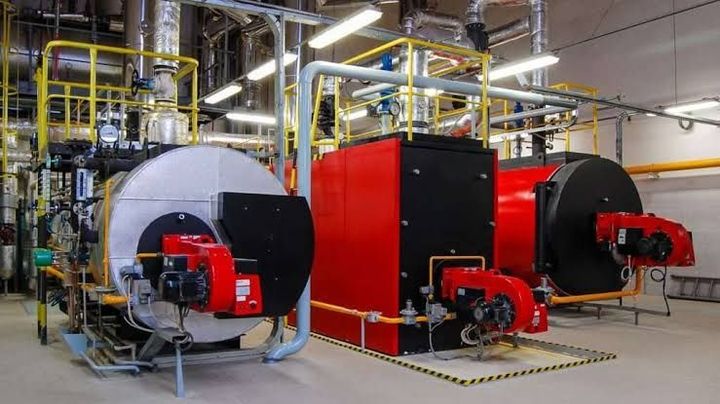
Large facilities may use multiple commercial water heaters connected together to accommodate changing demand and provide additional system capacity.
Major Types of Commercial Water Heaters
Different commercial properties have different hot water requirements. Understanding available technologies is therefore an important part of commercial water heater selection.
Commercial Gas Water Heaters
Commercial gas water heaters use natural gas or another compatible fuel source to heat water. They are commonly found in facilities with substantial and recurring hot water requirements.
Important considerations include ventilation, combustion systems, recovery performance, available utility infrastructure, and installation conditions.
Commercial Electric Water Heaters
Commercial electric water heaters use electric heating elements to raise water temperature. They can be suitable for various commercial buildings where electrical infrastructure can support the required load.
Electric configurations are available in multiple tank capacities and system designs.
Commercial Tankless Water Heaters
Commercial tankless water heaters heat water when demand occurs rather than continuously maintaining a large stored volume.
Multiple tankless units may be configured in a cascade arrangement for facilities requiring higher flow rates or varying hot water demand.
Commercial Storage Water Heaters
Storage water heaters maintain heated water inside an insulated tank. Tank capacity is an important consideration because commercial facilities may experience periods of concentrated demand.
Commercial Heat Pump Water Heaters
Commercial heat pump water heaters use refrigeration technology to transfer heat into stored water. Their performance can depend on ambient temperature, available installation space, ventilation, and facility operating conditions.
High-Efficiency Water Heaters
High-efficiency commercial water heaters are engineered to reduce energy losses and improve the conversion of energy into usable hot water. Depending on the technology, they may incorporate enhanced insulation, advanced heat exchangers, condensing operation, or intelligent controls.
Understanding Capacity and Hot Water Demand
Commercial water heater sizing requires more than simply selecting a large storage tank.
Facilities should consider when and how hot water is consumed. A restaurant may experience concentrated demand during food preparation and cleaning periods, while a hotel may experience substantial demand during morning and evening hours.
Important sizing factors include:
- Peak hot water demand
- Required water temperature
- Number of fixtures
- Simultaneous fixture usage
- Storage capacity
- Flow rate
- Recovery rate
- Building occupancy
- Operating schedule
- Application requirements
Correct sizing helps a commercial hot water system respond effectively to expected demand.
Recovery Rate and Flow Requirements
Recovery rate describes how quickly a storage water heater can heat additional water after heated water has been used.
This measurement can be particularly important for commercial kitchens, hospitality properties, healthcare facilities, and other environments with recurring hot water requirements.
For commercial tankless water heaters, flow rate and required temperature rise become major considerations. A system must be able to provide the required volume while increasing incoming water to the desired outlet temperature.
Important System Components
A commercial water heating installation contains multiple components that influence performance and safety.
Storage Tank
In storage-based systems, the tank retains heated water until it is needed. Insulation helps limit standby heat loss.
Heating Elements or Burners
Electric models commonly use heating elements, while fuel-fired systems use burners and heat exchangers.
Thermostatic Controls
Temperature controls regulate water heating according to system settings and operating requirements.
Heat Exchanger
Heat exchangers transfer thermal energy into the water. Their design varies among conventional, condensing, tankless, and heat pump systems.
Circulation System
Large buildings may use hot water recirculation systems to maintain heated water closer to fixtures and reduce waiting time.
Safety Components
Commercial systems may incorporate temperature and pressure relief devices, shutoff controls, expansion management, and other safety components appropriate to the installation.
Applications Across Commercial Properties
Commercial water heating equipment supports numerous industries and building types.
Hotels and Hospitality
Hotels require hot water for guest rooms, kitchens, housekeeping, laundry operations, and other facility functions. Demand can vary considerably throughout the day.
Restaurants and Commercial Kitchens
Commercial kitchens use hot water for dishwashing, cleaning, food preparation, and sanitation-related processes.
Healthcare Facilities
Hospitals, clinics, and care facilities may have demanding hot water requirements across patient areas, kitchens, sanitation processes, and laundry operations.
Multifamily Buildings
Apartment complexes and other multifamily properties may use centralized commercial water heating systems to support multiple residences.
Educational Facilities
Schools, universities, dormitories, cafeterias, and athletic facilities may require hot water across several parts of a campus.
Industrial Facilities
Some manufacturing and processing environments require heated water for cleaning, equipment operation, production processes, or facility management.
Energy Efficiency Considerations
Energy efficiency is an important factor when evaluating commercial water heating systems because water heating may represent a significant operational load in high-demand facilities.
Efficiency can be influenced by:
- Water heater technology
- Insulation quality
- Distribution piping
- Hot water recirculation
- System sizing
- Temperature settings
- Equipment condition
- Usage patterns
- Heat loss
- Control strategies
Improving the overall system requires considering both the water heater and the distribution network.
Commercial Water Heater Installation Planning
Installation planning should account for the physical building, utility connections, ventilation, drainage, and maintenance accessibility.
The planning process may include:
- Estimate hot water demand.
- Determine required capacity and recovery performance.
- Evaluate available energy sources.
- Review installation space.
- Assess ventilation requirements where applicable.
- Plan piping and recirculation.
- Incorporate appropriate safety controls.
- Confirm electrical or fuel connections.
- Provide maintenance access.
- Test the completed system.
Commercial installations should follow applicable building, plumbing, electrical, fuel-gas, and safety requirements.
Hot Water Recirculation Systems
Large commercial buildings can have long distances between the water heater and individual fixtures. Without recirculation, cooled water may remain inside distribution piping between periods of use.
A hot water recirculation system circulates water through the distribution network so heated water remains available closer to fixtures.
Properly designed recirculation can improve convenience, but circulation pumps and piping can also contribute to energy use and heat loss. Pipe insulation and appropriate controls are therefore important.
Maintenance and System Performance
Commercial water heater maintenance helps preserve system reliability and identify developing problems.
Maintenance requirements vary according to system design, water conditions, usage patterns, and manufacturer recommendations.
Typical activities may include:
- Inspecting tanks and connections
- Checking temperature controls
- Examining safety components
- Inspecting burners or heating elements
- Checking ventilation systems
- Monitoring system pressure
- Examining heat exchangers
- Checking recirculation equipment
- Looking for leaks or corrosion
- Reviewing operating performance
Water quality can also influence maintenance requirements because mineral accumulation may affect tanks, heat exchangers, and heating surfaces.
Benefits of Commercial Water Heaters
Appropriately designed commercial water heating systems provide several practical benefits:
- Support high-volume hot water requirements
- Serve multiple fixtures and applications
- Provide configurations for different building types
- Support centralized hot water distribution
- Offer tank and tankless technologies
- Integrate with hot water recirculation systems
- Provide multiple energy-source options
- Support commercial kitchens and hospitality operations
- Allow system capacity to be matched to demand
- Provide high-efficiency configurations for suitable applications
The specific advantages depend on building requirements, equipment selection, system design, and operating conditions.
Improving Long-Term Water Heating Performance
Long-term performance depends on both equipment condition and system operation.
Facility teams can monitor hot water demand, equipment operating patterns, temperature stability, recirculation performance, and signs of abnormal operation. Changes in usage may also indicate that the original system configuration should be reassessed.
Regular inspection of commercial water heating equipment can help identify leaks, mineral buildup, control issues, or declining heating performance before they develop into larger operational problems.
Frequently Asked Questions
What is a commercial water heater?
A commercial water heater is equipment designed to produce hot water for commercial buildings and facilities with higher or more complex demand than typical residential applications.
What types of commercial water heaters are available?
Common configurations include gas, electric, tank, tankless, heat pump, and high-efficiency commercial water heaters.
How is a commercial water heater sized?
Sizing generally considers peak hot water demand, required temperature rise, flow rate, storage capacity, recovery rate, occupancy, and simultaneous usage.
What is a commercial tankless water heater?
A commercial tankless water heater heats water as it flows through the equipment rather than maintaining a large volume of continuously heated stored water.
Why is recovery rate important?
Recovery rate indicates how quickly a storage system can heat replacement water after hot water has been used.
What does a hot water recirculation system do?
A recirculation system moves hot water through building piping so heated water remains available closer to fixtures.
Why does water quality matter?
Minerals and other characteristics of the water supply can contribute to scale formation and influence heat exchanger, tank, and overall system performance.
How often should commercial water heaters be inspected?
Inspection frequency depends on equipment type, usage, water conditions, manufacturer guidance, and applicable facility requirements.
Conclusion
Commercial water heaters support reliable hot water delivery across hospitality, healthcare, food preparation, multifamily, educational, and industrial facilities. Gas, electric, storage, tankless, heat pump, and high-efficiency systems provide different approaches for meeting commercial hot water requirements.
Understanding capacity, recovery rate, flow requirements, energy efficiency, recirculation, installation conditions, and maintenance helps facility planners evaluate commercial water heating systems more effectively. Proper system sizing and routine inspection can support dependable performance throughout the equipment's operating life.