Steel Pipe Knowledge for Engineering and Industrial Use
Steel pipes play an essential role in modern engineering and industrial infrastructure. From transporting fluids to supporting structural frameworks, these pipes are widely used in sectors such as construction, manufacturing, energy, and transportation. The growing demand for durable and efficient pipeline systems has increased interest in steel pipe knowledge across industries.
Different types of steel pipes are designed to meet specific industrial requirements. Factors such as pressure resistance, corrosion protection, temperature tolerance, and material composition influence the selection process. Understanding how steel pipes function helps engineers and industrial planners choose suitable solutions for long-term performance.
Understanding Steel Pipe and Its Industrial Importance
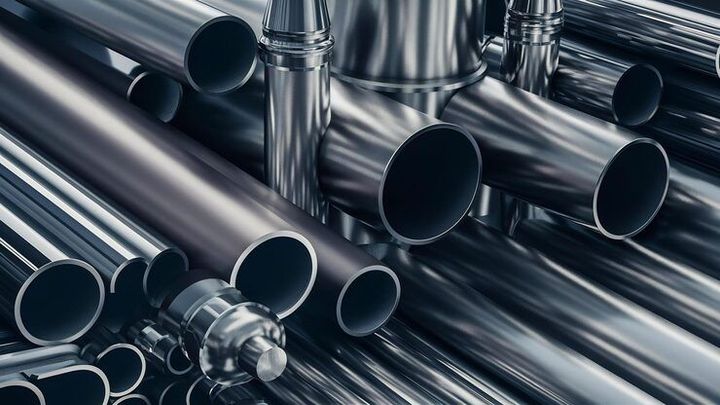
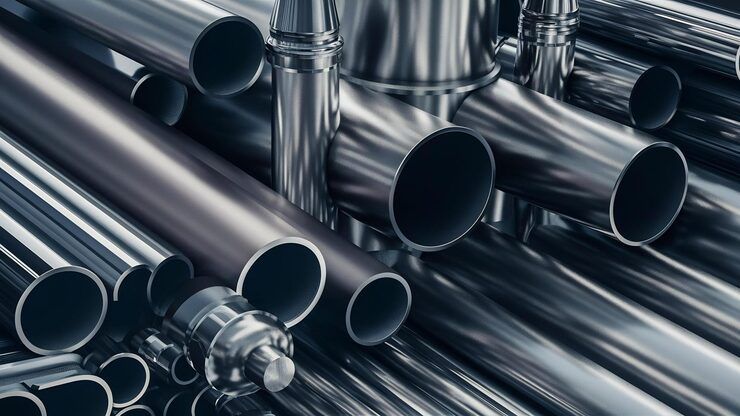
A steel pipe is a hollow cylindrical component manufactured from steel materials for transporting liquids, gases, or structural loads. These pipes are commonly produced using seamless or welded manufacturing methods depending on industrial applications.
Industries prefer steel pipe systems because of their strength, durability, and adaptability. In heavy industrial environments, metal pipe systems must withstand pressure, vibration, and changing environmental conditions. Steel provides the required mechanical properties to maintain stable performance over time.
The use of stainless steel pipe has expanded significantly due to its resistance to corrosion and oxidation. This makes it ideal for industries where hygiene, moisture, or chemical exposure are major concerns.
Common Industrial Applications
Steel pipes are used in a wide range of engineering and industrial sectors:
- Oil and gas transportation
- Water distribution systems
- Chemical processing plants
- Construction frameworks
- Power generation facilities
- Automotive manufacturing
- Marine engineering
- Agricultural irrigation systems
Oil and gas steel pipe systems are especially important because they transport materials under extreme pressure and temperature conditions. These pipes are engineered to meet strict industrial standards for safety and reliability.
Types of Steel Pipes Used in Engineering
Engineering projects often require different categories of steel pipes depending on operating conditions and structural demands. Understanding the major types helps improve efficiency and performance planning.
Carbon Steel Pipe
Carbon steel pipe is one of the most widely used options in industrial operations. It contains iron and carbon as primary elements and is valued for strength and durability.
Applications include:
- Industrial machinery
- Structural support systems
- Water pipelines
- Mechanical engineering systems
Carbon steel performs well in high-pressure environments but may require coatings or protective treatments against corrosion.
Stainless Steel Pipe
Stainless steel pipe contains chromium, which improves corrosion resistance. This type of metal pipe is commonly used in industries where cleanliness and durability are essential.
Key industries include:
- Food processing
- Pharmaceutical manufacturing
- Marine applications
- Chemical industries
The smooth surface of stainless steel also helps reduce contamination and supports easier maintenance.
Alloy Steel Pipe
Alloy steel pipes contain additional elements such as nickel, molybdenum, or chromium to improve mechanical properties. These pipes are suitable for extreme temperature and pressure conditions.
Industries using alloy steel pipe include:
- Power plants
- Refineries
- Aerospace engineering
- High-temperature manufacturing facilities
Seamless and Welded Steel Pipe
Steel pipes are generally divided into two manufacturing categories:
| Pipe Type | Manufacturing Method | Common Uses | Advantages |
|---|---|---|---|
| Seamless Steel Pipe | Produced without welding | High-pressure systems | Stronger pressure handling |
| Welded Steel Pipe | Formed and welded from steel sheets | Water transport and construction | Efficient for large diameters |
High pressure steel pipe systems often rely on seamless designs because they reduce the possibility of weak points under stress.
Steel Pipe Manufacturing and Fabrication
Steel pipe manufacturers follow multiple production stages to create industrial-grade pipes. Manufacturing quality directly affects pipe performance, durability, and safety.
The production process usually begins with raw steel preparation. The steel is heated, shaped, and processed into cylindrical forms. After forming, pipes undergo heat treatment, sizing, inspection, and testing procedures.
Steel pipe fabrication involves modifying pipes to meet engineering specifications. Fabrication processes may include:
- Cutting
- Bending
- Welding
- Threading
- Surface coating
- Joint preparation
Steel pipe fabrication allows industrial systems to integrate pipes into complex infrastructure projects efficiently.
Importance of Quality Standards
Industrial projects rely heavily on international quality standards to maintain operational safety. Steel pipe manufacturers commonly follow standards such as:
- ASTM
- ASME
- API
- ISO
- ANSI
These standards define material composition, dimensions, pressure ratings, and testing procedures.
Oil and gas steel pipe systems, for example, require strict compliance because pipeline failures may create environmental and operational risks.
Key Features of High Pressure Steel Pipe
High pressure steel pipe systems are engineered for demanding industrial environments. These pipes transport fluids or gases under intense pressure conditions and require advanced structural integrity.
Several features distinguish high pressure pipe systems from standard industrial pipes.
Strength and Pressure Resistance
High pressure pipes are designed with thicker walls and enhanced material strength. This allows them to maintain stability during heavy operational loads.
Industries such as oil refining and power generation depend on these pipes for continuous performance.
Temperature Tolerance
Many industrial environments involve extremely high or low temperatures. Specialized steel alloys help maintain pipe stability without deformation or cracking.
Corrosion Protection
Corrosion can reduce the lifespan of metal pipe systems. Protective coatings and stainless steel materials help improve resistance against moisture, chemicals, and environmental exposure.
Reliable Flow Performance
Smooth internal surfaces improve fluid movement and reduce pressure loss inside the pipeline. This contributes to better system efficiency in industrial operations.
Oil and Gas Steel Pipe Systems
The oil and gas industry represents one of the largest users of steel pipe technology worldwide. Pipeline systems transport crude oil, natural gas, and refined materials across long distances.
Oil and gas steel pipe applications include:
- Drilling operations
- Offshore platforms
- Transmission pipelines
- Refinery systems
- Storage infrastructure
Pipes used in this industry must handle challenging operating environments. Extreme temperatures, corrosive substances, and high-pressure flow conditions require advanced engineering solutions.
Steel pipe manufacturers serving the oil and gas sector often conduct additional testing procedures such as:
- Ultrasonic inspection
- Hydrostatic testing
- X-ray weld analysis
- Corrosion resistance evaluation
These tests help maintain operational reliability and pipeline safety.
Advantages of Stainless Steel Pipe in Industrial Use
Stainless steel pipe continues to gain popularity in engineering because of its long-term durability and maintenance advantages.
One major benefit is corrosion resistance. Stainless steel performs effectively in environments exposed to chemicals, humidity, or saltwater conditions.
Additional advantages include:
- High temperature resistance
- Smooth surface finish
- Long operational lifespan
- Reduced maintenance requirements
- Hygienic material properties
Industries focused on cleanliness, such as pharmaceutical and food processing sectors, frequently use stainless steel pipe systems for safe material transport.
Factors to Consider When Selecting Steel Pipe
Choosing the right steel pipe involves evaluating several technical and operational factors. Engineers must analyze project conditions carefully before selecting pipe materials and specifications.
Important considerations include:
| Selection Factor | Importance |
|---|---|
| Pressure Rating | Determines pipe strength requirements |
| Corrosion Resistance | Affects durability in harsh environments |
| Pipe Diameter | Influences flow capacity |
| Temperature Conditions | Impacts material selection |
| Installation Environment | Determines coating and protection needs |
| Material Type | Influences mechanical performance |
Understanding these factors improves pipeline efficiency and supports long-term infrastructure stability.
Future Trends in Steel Pipe Technology
The steel pipe industry continues evolving alongside modern engineering advancements. Manufacturers are developing improved materials and production technologies to meet changing industrial demands.
Several trends are shaping the future of steel pipe manufacturing:
- Advanced corrosion-resistant alloys
- Smart monitoring systems for pipelines
- Improved welding technologies
- Automated inspection systems
- Environmentally sustainable production methods
Digital monitoring systems are becoming increasingly important in oil and gas steel pipe networks. Sensors and data analysis tools help monitor pipeline conditions and improve operational safety.
Steel pipe fabrication is also benefiting from automation and precision manufacturing techniques. These developments support greater consistency and improved production efficiency.
Conclusion
Steel pipe systems remain fundamental to engineering and industrial development. Their strength, adaptability, and performance make them suitable for a wide range of applications across energy, manufacturing, construction, and transportation sectors.
Understanding the differences between stainless steel pipe, alloy steel pipe, seamless pipe, and welded systems helps industries choose suitable solutions for specific operational requirements. Steel pipe manufacturers continue improving production quality and fabrication techniques to support modern infrastructure demands.
From oil and gas steel pipe networks to high pressure steel pipe applications, these systems contribute significantly to industrial reliability and operational efficiency. As engineering technologies advance, steel pipes will continue playing a central role in industrial progress worldwide.