Complete Guide to Industrial Production Equipment
Industrial production equipment is the foundation of modern manufacturing. It includes the machines, tools, and automated systems used to produce goods efficiently, consistently, and safely. From food processing and automotive manufacturing to pharmaceuticals and electronics, industrial production equipment supports a wide range of industries that produce everyday products.
As manufacturing continues to evolve, industrial production equipment is becoming more advanced through automation, digital monitoring, and data-driven processes. These developments help manufacturers improve production quality, reduce waste, and use resources more efficiently. Understanding how this equipment works is useful for business owners, students, engineers, production managers, and anyone interested in modern industry.
Context
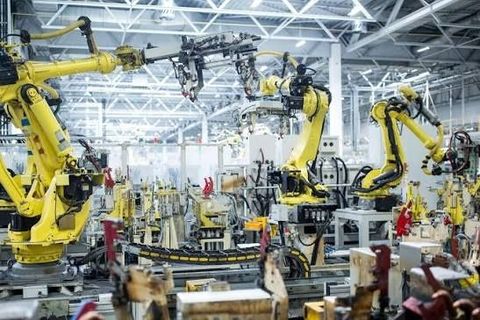
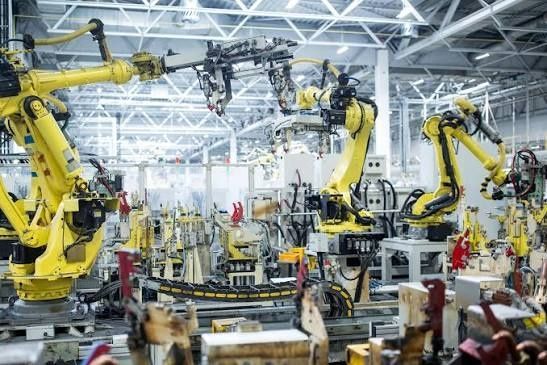
Industrial production equipment refers to machinery and systems designed to transform raw materials into finished or semi-finished products. Depending on the industry, this equipment may include conveyor systems, CNC machines, industrial robots, packaging machines, mixers, presses, assembly systems, inspection equipment, and material handling solutions.
The purpose of industrial production equipment is to improve manufacturing efficiency while maintaining consistent product quality. Early manufacturing relied heavily on manual labor, but technological advancements introduced mechanical systems, programmable machines, and fully automated production lines. Today, many facilities combine traditional machinery with digital technologies to monitor production, collect operational data, and support predictive maintenance.
Common Types of Industrial Production Equipment
- CNC machining equipment
- Industrial robots
- Conveyor systems
- Assembly line equipment
- Packaging machinery
- Material handling equipment
- Injection molding machines
- Industrial presses
- Quality inspection equipment
- Process control systems
Importance
Industrial production equipment plays a significant role in supporting manufacturing activities across many sectors. Reliable machinery helps organizations maintain production schedules while improving consistency and reducing unnecessary material waste.
Industries that depend on industrial production equipment include:
- Automotive manufacturing
- Food and beverage processing
- Pharmaceutical production
- Electronics manufacturing
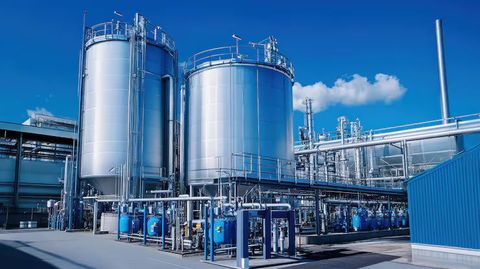
- Chemical processing
- Metal fabrication
- Textile manufacturing
- Consumer goods production
The benefits extend beyond manufacturers. Consumers receive products with more consistent quality, while suppliers, logistics providers, maintenance professionals, and technical educators all interact with manufacturing systems throughout the production process.
The following table summarizes the primary functions of different equipment categories.
| Equipment Type | Primary Function | Common Industries |
|---|---|---|
| CNC Machines | Precision cutting and machining | Automotive, aerospace, metalworking |
| Industrial Robots | Automated assembly and handling | Automotive, electronics |
| Conveyor Systems | Material transportation | Warehousing, packaging, manufacturing |
| Packaging Equipment | Product packaging and labeling | Food, pharmaceuticals, consumer goods |
| Inspection Equipment | Quality verification | Electronics, medical devices, manufacturing |
| Material Handling Equipment | Moving raw materials and products | Logistics, warehouses, factories |
Recent Updates
Manufacturing technology has changed rapidly between 2024 and 2026. Many production facilities are adopting digital tools that improve visibility, efficiency, and equipment reliability without replacing every existing machine.
Emerging Trends from 2024–2026
Artificial intelligence is increasingly used to monitor machine performance and identify maintenance needs before equipment failures occur. Predictive maintenance reduces unexpected downtime and supports more efficient production planning.
Industrial Internet of Things (IIoT) technology allows connected sensors to collect operational data from machines. This information helps operators monitor production performance in real time and improve decision-making.
Collaborative robots, often called cobots, continue to expand across manufacturing environments. Unlike traditional industrial robots that typically work within restricted areas, cobots are designed to assist workers with repetitive production tasks under appropriate safety controls.
Manufacturers are also investing in energy-efficient motors, smart sensors, and digital production management platforms. These technologies support sustainability goals by improving energy efficiency and reducing unnecessary resource consumption.
Other notable developments include:
- Increased adoption of digital twins for production planning
- Greater use of machine vision for automated inspection
- Expansion of cloud-based manufacturing analytics
- Stronger cybersecurity practices for connected industrial systems
- Improved integration between enterprise software and factory equipment
Laws or Policies
Industrial production equipment is subject to safety, environmental, and quality regulations that vary between countries. These regulations help protect workers, consumers, and the environment while encouraging responsible manufacturing practices.
Common regulatory areas include workplace safety, electrical safety, machine guarding, emissions, waste management, and equipment certification. Manufacturers are generally expected to follow national occupational safety requirements and industry-specific technical standards.
Several internationally recognized standards influence industrial production equipment:
- ISO 9001 for quality management systems
- ISO 14001 for environmental management
- ISO 45001 for occupational health and safety management
- IEC electrical safety standards
- Machinery safety standards developed by national regulatory authorities
Organizations should regularly review applicable government regulations because compliance requirements may change as technology evolves and new environmental policies are introduced.
Tools and Resources
A variety of educational resources and digital platforms help manufacturers understand industrial production equipment, monitor performance, and improve operational planning.
Useful resources include:
- Government manufacturing departments that publish safety regulations
- International standards organizations providing technical guidance
- Equipment manufacturer documentation and maintenance manuals
- Production planning software
- Preventive maintenance scheduling platforms
- Energy consumption calculators
- Manufacturing capacity planning templates
- Industrial automation learning platforms
Many organizations also use digital dashboards to monitor production efficiency, machine utilization, maintenance schedules, and quality performance indicators. These tools help production teams identify operational improvements using measurable data.
FAQs
What is industrial production equipment?
Industrial production equipment includes machines, tools, automation systems, and supporting technologies used to manufacture products in industrial facilities.
Why is automation becoming more common in manufacturing?
Automation helps improve production consistency, supports worker safety, reduces repetitive manual activities, and provides better monitoring of manufacturing processes.
Which industries depend on industrial production equipment?
Automotive, food processing, pharmaceuticals, electronics, chemicals, textiles, logistics, and metal manufacturing all rely on industrial production equipment.
How does predictive maintenance improve equipment performance?
Predictive maintenance uses operational data and sensor information to identify potential equipment issues before unexpected failures occur, allowing maintenance to be scheduled more effectively.
What skills are useful for understanding industrial production equipment?
Knowledge of manufacturing processes, mechanical systems, automation, quality control, safety practices, and basic data analysis can help individuals better understand modern production equipment.
Conclusion
Industrial production equipment remains an essential part of modern manufacturing and continues to evolve through automation, digital monitoring, and intelligent production technologies. These systems improve manufacturing efficiency, product consistency, and operational reliability across many industries. As regulations and technology continue to develop, understanding industrial production equipment helps organizations make informed decisions about production processes, safety, and long-term operational planning. Continued learning and responsible implementation will remain important as manufacturing becomes increasingly connected and data driven.