Industrial Manufacturing: Complete Overview and Helpful Information
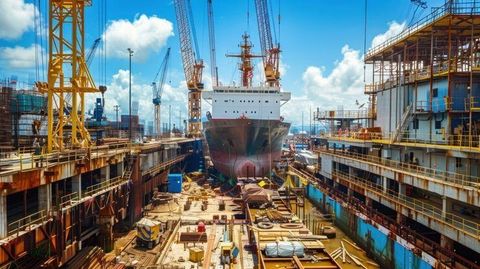
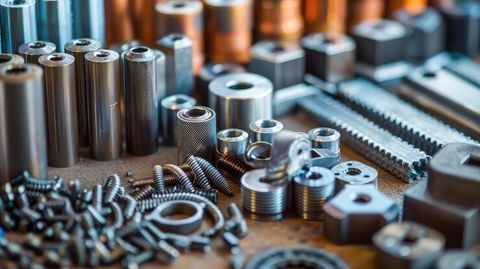
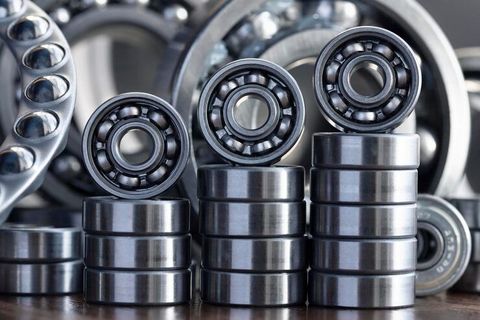
Industrial manufacturing is the process of transforming raw materials into finished products through organized production methods, machinery, and technology. It supports the creation of everyday items as well as specialized equipment used in transportation, healthcare, construction, agriculture, electronics, and many other industries. As technology continues to improve, industrial manufacturing is becoming more efficient, accurate, and environmentally responsible.
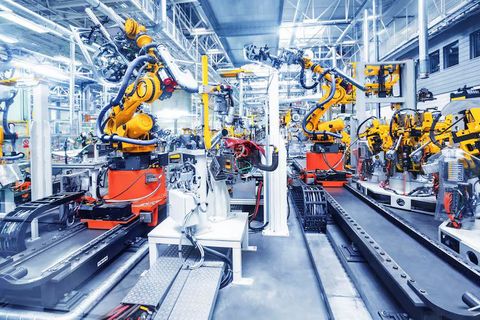
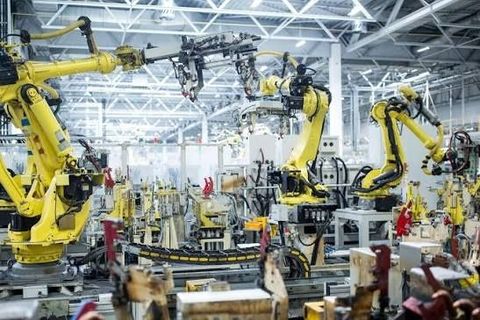
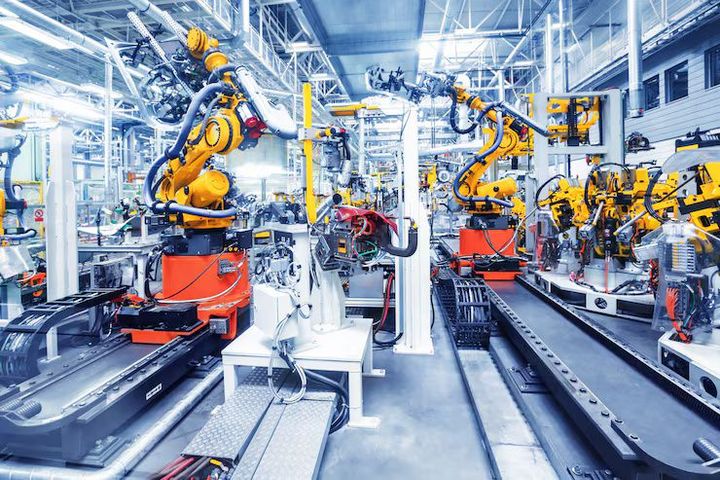
Today, industrial manufacturing combines traditional production techniques with digital technologies such as automation, artificial intelligence, robotics, and data analysis. These advancements help manufacturers improve quality, reduce waste, and respond more effectively to changing market needs. Understanding how industrial manufacturing works provides valuable knowledge for students, professionals, business owners, and anyone interested in modern industry.
Context
Industrial manufacturing refers to the organized production of goods using machines, tools, skilled workers, and automated systems. The process begins with raw materials and continues through design, processing, assembly, inspection, packaging, and distribution.
Historically, manufacturing changed significantly during the Industrial Revolution, when manual production gradually shifted to machine-powered operations. Over time, improvements in electricity, computing, robotics, and digital communication transformed factories into highly connected production environments.
The primary purpose of industrial manufacturing is to produce consistent, reliable, and high-quality products while making efficient use of materials, energy, and time. Modern manufacturing also focuses on sustainability, workplace safety, and continuous improvement.
Common Manufacturing Types
| Manufacturing Type | Primary Purpose | Typical Products |
|---|---|---|
| Discrete Manufacturing | Individual product assembly | Vehicles, electronics, appliances |
| Process Manufacturing | Continuous material processing | Chemicals, food, beverages |
| Batch Manufacturing | Production in planned quantities | Pharmaceuticals, textiles |
| Custom Manufacturing | Specialized production | Industrial machinery, precision components |
| Additive Manufacturing | Layer-by-layer production | Prototypes, medical devices, aerospace parts |
Importance
Industrial manufacturing plays a significant role in economic development and technological progress. Nearly every sector depends on manufactured products to operate efficiently, making manufacturing one of the foundations of modern society.
The industry affects many groups, including:
- Manufacturers and production facilities
- Engineers and technical professionals
- Supply chain and logistics organizations
- Construction and infrastructure industries
- Healthcare equipment producers
- Agricultural machinery manufacturers
- Consumers who rely on everyday products
Manufacturing also encourages innovation by supporting research and development of new materials, production methods, and digital technologies. Improvements in manufacturing often lead to higher product quality, better resource management, and increased production efficiency.
Modern industrial manufacturing contributes to environmental goals through cleaner production methods, recycling initiatives, energy-efficient equipment, and responsible material management.
Recent Updates
Between 2024 and 2026, industrial manufacturing has experienced significant technological and operational developments. Digital transformation continues to influence production planning, quality control, and maintenance activities.
Major Trends from 2024–2026
Artificial intelligence is increasingly being used to monitor production lines, identify quality issues, and predict equipment maintenance requirements before failures occur.
Industrial Internet of Things (IIoT) technology allows connected machines to exchange operational data in real time, helping manufacturers improve productivity and monitor equipment performance.
Collaborative robots, often called cobots, continue to work alongside human operators for repetitive or precision-based tasks while improving workplace efficiency.
Digital twins are becoming more common for testing production processes in virtual environments before physical implementation, reducing operational risks.
Advanced manufacturing software helps organizations monitor inventory, production schedules, and equipment utilization from centralized platforms.
Sustainability remains an important focus through:
- Energy-efficient production systems
- Waste reduction strategies
- Increased recycling of industrial materials
- Carbon emission monitoring
- Greater use of renewable energy within manufacturing facilities
Governments and industry organizations are also encouraging domestic manufacturing capabilities and stronger supply chain resilience following recent global disruptions.
Laws or Policies
Industrial manufacturing operates under national and international regulations that promote safety, environmental responsibility, product quality, and fair business practices. While specific requirements differ between countries, several common regulatory areas apply across the industry.
Manufacturers generally follow workplace safety regulations that establish standards for equipment operation, employee protection, emergency planning, and hazard management.
Environmental regulations often address:
- Air emissions
- Water management
- Waste disposal
- Chemical handling
- Resource conservation
- Pollution prevention
Quality management standards help manufacturers maintain consistent production processes and product reliability. International standards are widely adopted to improve operational consistency across global markets.
Many governments also encourage advanced manufacturing through policies supporting digital transformation, research initiatives, cleaner technologies, and workforce development programs. Companies operating internationally may also follow export regulations, product certification requirements, and industry-specific compliance standards.
Organizations should regularly review applicable regulations because legal requirements and technical standards continue to evolve.
Tools and Resources
Several digital tools and educational resources help individuals and organizations better understand industrial manufacturing processes and industry developments.
Useful resources include:
- Government manufacturing departments for regulations and policy guidance
- National standards organizations for technical standards
- International manufacturing associations
- Industrial automation software platforms
- Production planning applications
- Quality management systems
- Industrial safety guidance portals
- Sustainability reporting resources
Helpful planning tools include:
| Tool or Resource | Purpose |
| Production Planning Software | Organizes manufacturing schedules |
| Quality Inspection Checklists | Supports consistent product evaluation |
| Inventory Management Systems | Tracks raw materials and finished products |
| Energy Usage Calculators | Measures production efficiency |
| Maintenance Planning Templates | Schedules equipment inspections |
| Manufacturing KPI Dashboards | Monitors operational performance |
Many educational institutions, research organizations, and professional associations also publish reports, technical guidance, and learning materials that explain manufacturing technologies, automation, digital transformation, and sustainability practices.
FAQs
What is industrial manufacturing?
Industrial manufacturing is the organized process of producing goods from raw materials using machinery, technology, skilled workers, and standardized production methods.
What industries depend on industrial manufacturing?
Construction, healthcare, automotive, aerospace, agriculture, electronics, food production, energy, mining, and consumer goods all rely on industrial manufacturing.
How is automation changing industrial manufacturing?
Automation improves production consistency, reduces repetitive manual tasks, enhances quality monitoring, and supports efficient use of equipment and materials.
Why is sustainability important in manufacturing?
Sustainable manufacturing helps reduce waste, improve energy efficiency, conserve natural resources, and support long-term environmental responsibility.
What skills are useful for understanding industrial manufacturing?
Knowledge of production processes, quality management, automation, industrial safety, engineering principles, data analysis, and digital technologies provides a strong foundation for understanding modern manufacturing.
Conclusion
Industrial manufacturing remains one of the most important sectors supporting global economies and everyday life. It transforms raw materials into products that people and industries depend upon while continually adopting new technologies to improve productivity and quality.
Advances in automation, artificial intelligence, connected systems, and sustainable production methods continue to reshape manufacturing between 2024 and 2026. These developments help organizations operate more efficiently while addressing environmental and operational challenges.
Understanding industrial manufacturing provides valuable insight into how products are designed, produced, inspected, and delivered. As technology continues to evolve, manufacturing will remain an essential driver of innovation, economic growth, and industrial development.
Learning about manufacturing processes, regulations, and emerging technologies helps individuals better understand the changing industrial landscape. Reliable information and continuous education remain important for keeping pace with future manufacturing advancements.