Industrial Storage Tanks: Introduction, Functions and Safety Information
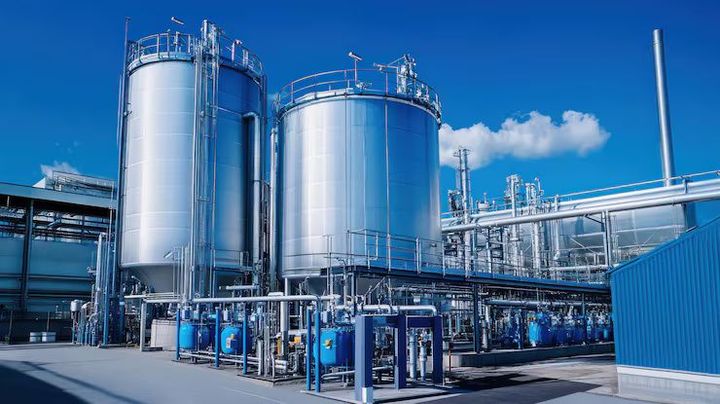
Industrial storage tanks are essential components in many industries because they safely contain liquids, gases, chemicals, water, petroleum products, and other materials. These tanks are designed to store substances under controlled conditions while supporting manufacturing, processing, transportation, and distribution activities. Industrial storage tanks are available in different sizes, materials, and designs depending on the type of substance being stored and the operating environment.
Understanding industrial storage tanks helps businesses, workers, students, and facility managers recognize their importance in everyday industrial operations. Along with proper design and maintenance, safety practices and regulatory compliance play an important role in preventing leaks, contamination, environmental damage, and operational disruptions.
Context
Industrial storage tanks are specially engineered containers used to hold raw materials, finished products, chemicals, fuels, water, and industrial liquids for short-term or long-term storage. They have been used for decades in industries such as manufacturing, oil and gas, agriculture, food processing, pharmaceuticals, mining, and water treatment.
The purpose of industrial storage tanks is to provide secure and organized storage while maintaining product quality and supporting efficient operations. Tank designs vary according to storage requirements. Common types include:
| Tank Type | Typical Application | Common Material |
|---|---|---|
| Above-ground tanks | Fuel, water, chemicals | Steel, fiberglass |
| Underground tanks | Fuel storage | Steel, fiberglass |
| Vertical tanks | Large liquid storage | Carbon steel, stainless steel |
| Horizontal tanks | Limited space installations | Steel |
| Pressure tanks | Compressed gases | High-strength steel |
| Stainless steel tanks | Food and pharmaceutical products | Stainless steel |
Industrial storage tanks may include accessories such as level indicators, pressure gauges, vents, insulation, secondary containment systems, and monitoring equipment to improve operational safety and efficiency.
Common Materials Used
Manufacturers select materials based on chemical compatibility and operating conditions. Common materials include:
- Carbon steel
- Stainless steel
- Fiberglass reinforced plastic (FRP)
- Polyethylene
- Reinforced concrete
Importance
Industrial storage tanks play an important role in maintaining continuous industrial operations. Without reliable storage systems, industries would face interruptions in production, transportation, and supply chain management.
Their importance extends beyond simple storage. Properly designed tanks help maintain product quality, improve inventory management, reduce environmental risks, and support workplace safety.
Industries that commonly depend on industrial storage tanks include:
- Oil and gas
- Chemical manufacturing
- Water treatment
- Food and beverage processing
- Pharmaceutical manufacturing
- Agriculture
- Power generation
- Mining
- Paper and pulp production
Industrial storage tanks also contribute to emergency preparedness by allowing facilities to maintain reserve supplies of water, fuel, or other critical materials during unexpected situations.
Key Safety Functions
Modern industrial storage tanks often include several protective features:
- Leak detection systems
- Overfill prevention devices
- Emergency venting systems
- Corrosion protection
- Secondary containment structures
- Pressure monitoring equipment
Regular inspections, cleaning, and preventive maintenance further improve reliability and reduce operational risks.
Recent Updates
Between 2024 and 2026, industrial storage tank technology has continued to evolve through improvements in monitoring systems, environmental protection, and digital maintenance practices.
Many facilities are adopting smart sensors that continuously monitor liquid levels, pressure, temperature, and structural conditions. These monitoring systems provide real-time information that supports preventive maintenance and early detection of potential issues.
Digital inspection technologies, including drones and robotic inspection equipment, are becoming more common for evaluating large storage tanks while reducing inspection time and improving worker safety.
Sustainability has also become an important focus. Industries increasingly use corrosion-resistant materials, improved coatings, and advanced containment systems that help reduce environmental impact.
Other notable developments include:
- Increased automation of storage monitoring
- Improved predictive maintenance software
- Better corrosion-resistant coatings
- Enhanced environmental monitoring systems
- Greater integration with industrial Internet of Things (IIoT) platforms
These advancements improve operational efficiency while supporting safer industrial environments.
Laws or Policies
Industrial storage tanks are subject to various national and international regulations intended to protect workers, nearby communities, and the environment. The specific requirements depend on the country, industry, and materials being stored.
Common regulatory areas include:
- Environmental protection
- Fire prevention
- Occupational health and safety
- Chemical storage requirements
- Tank inspection standards
- Spill prevention and containment
Many countries require facilities to conduct periodic inspections, maintain inspection records, and implement emergency response plans.
Typical compliance practices include:
- Routine structural inspections
- Corrosion monitoring
- Leak detection testing
- Employee safety training
- Emergency response planning
- Proper documentation of maintenance activities
Facilities storing hazardous materials often have additional requirements related to containment systems, labeling, ventilation, and environmental monitoring.
Following applicable regulations helps reduce operational risks while supporting public safety and environmental protection.
Tools and Resources
Several useful resources help facility managers, engineers, and safety professionals understand industrial storage tanks, maintenance practices, and regulatory requirements.
| Resource Type | Purpose |
|---|---|
| Engineering design standards | Tank design guidance |
| Inspection checklists | Routine maintenance planning |
| Capacity calculators | Estimate storage volume |
| Corrosion assessment tools | Evaluate tank condition |
| Safety data sheets (SDS) | Chemical handling information |
| Government environmental agencies | Regulatory guidance |
| Occupational safety authorities | Workplace safety requirements |
| Industry associations | Technical publications and best practices |
Useful resources may include:
- Government environmental agency websites
- Occupational safety authority guidance
- Engineering standards organizations
- Fire protection guidance documents
- Chemical compatibility reference charts
Organizations should also maintain internal maintenance schedules, inspection records, emergency contact lists, and incident response procedures.
FAQs
What are industrial storage tanks used for?
Industrial storage tanks are used to store liquids, gases, chemicals, fuels, water, and other industrial materials safely until they are processed, transported, or distributed.
What materials are industrial storage tanks made from?
Common materials include carbon steel, stainless steel, fiberglass reinforced plastic, polyethylene, and reinforced concrete. The material depends on the stored substance and operating conditions.
Why are regular inspections important?
Regular inspections help identify corrosion, leaks, structural damage, and equipment wear before they become serious safety or environmental concerns.
What industries commonly use industrial storage tanks?
Industries including oil and gas, chemical manufacturing, agriculture, food processing, pharmaceuticals, mining, water treatment, and power generation commonly use industrial storage tanks.
How do modern storage tanks improve safety?
Modern tanks often include leak detection systems, level monitoring sensors, pressure monitoring, corrosion protection, secondary containment, and automated monitoring technologies that improve operational safety.
Conclusion
Industrial storage tanks are an essential part of modern industrial infrastructure, supporting the safe storage of valuable materials across numerous industries. Their design, construction, and maintenance directly influence operational efficiency, environmental protection, and workplace safety. As technology continues to evolve, storage systems are becoming smarter, more reliable, and easier to monitor.
Following appropriate regulations, conducting regular inspections, and using suitable safety equipment help organizations maintain dependable storage operations. Continuous improvements in monitoring technology and maintenance practices are expected to further strengthen the performance and safety of industrial storage tanks in the coming years.
Understanding the functions, safety features, and regulatory requirements of industrial storage tanks provides valuable knowledge for industry professionals, students, and anyone interested in industrial infrastructure.
Ongoing attention to inspection, maintenance, and technological innovation will continue to support safer and more efficient storage solutions across a wide range of industrial applications.