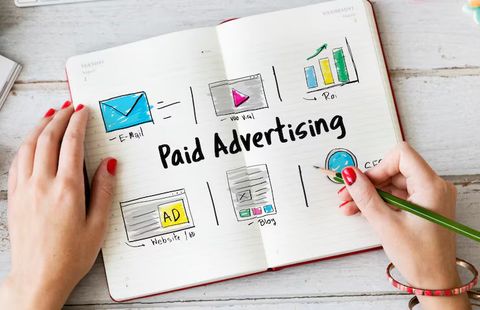
Explore Paid Advertising: A Complete Beginner’s Guide
Paid advertising is a digital marketing method that allows organizations, brands, and individuals to promote content to specific audiences through online and offline channels. It helps increase visibility by displaying advertisements in search engines, websites, mobile applications, social media platforms, and other digital spaces. Unlike organic visibility, paid advertising relies on a budget to place promotional content where users are more likely to see it.
As digital technology continues to evolve, paid advertising has become an important part of modern communication strategies. Businesses, educational institutions, nonprofit organizations, and government agencies use advertising platforms to share information, reach target audiences, and measure engagement. Understanding how paid advertising works can help beginners make informed decisions about digital marketing activities.
Context
Paid advertising refers to the practice of paying for promotional placements across various media channels. Historically, advertising appeared mainly in newspapers, magazines, radio, and television. With the growth of the internet, advertising expanded into digital platforms where audience targeting became more precise.
The primary purpose of paid advertising is to increase awareness, encourage engagement, and direct users toward specific information. Advertisers can define audience characteristics such as location, interests, demographics, and online behavior.
Common types of paid advertising include:
- Search advertising
- Display advertising
- Social media advertising
- Video advertising
- Mobile advertising
- Native advertising
Common Advertising Channels
| Advertising Type | Where It Appears | Main Purpose |
|---|---|---|
| Search Ads | Search engine results | Reach users searching for information |
| Display Ads | Websites and blogs | Increase visibility |
| Video Ads | Video platforms | Improve audience engagement |
| Social Media Ads | Social networks | Target specific audience groups |
| Native Ads | Content platforms | Blend with surrounding content |
Importance
Paid advertising plays a significant role in today's digital economy. It helps organizations communicate with audiences efficiently while providing measurable performance data.
Key reasons why paid advertising matters include:
- Expands audience reach
- Supports brand awareness
- Allows detailed audience targeting
- Provides performance tracking
- Enables faster visibility compared to some organic methods
Paid advertising affects various groups:
- Businesses seeking visibility
- Educational organizations sharing programs
- Nonprofit organizations raising awareness
- Government agencies communicating public information
- Content creators building audiences
For consumers, advertising can help introduce relevant products, educational content, events, and informational resources. However, transparency and responsible advertising practices remain important to maintain trust.
Recent Updates
The paid advertising landscape has changed significantly between 2024 and 2026.
Growth of Artificial Intelligence
Artificial intelligence is increasingly being used to automate campaign management, audience targeting, and performance optimization. Many advertising platforms now provide AI-powered recommendations to improve efficiency.
Other notable developments include:
- Increased use of predictive analytics
- Automated bidding strategies
- AI-generated ad variations
- Improved audience segmentation
Privacy-Focused Advertising
Privacy regulations and changing consumer expectations have influenced advertising practices worldwide.
Recent trends include:
- Reduced reliance on third-party cookies
- Greater emphasis on first-party data
- Enhanced consent management systems
- Increased transparency in data collection
Additional developments from 2024–2026 include:
- Growth of short-form video advertising
- Expansion of connected TV advertising
- Increased use of retail media networks
- Improved cross-device measurement tools
- Greater focus on advertising sustainability and transparency
These changes are shaping how advertisers plan, monitor, and evaluate campaigns.
Laws or Policies
Paid advertising is subject to various laws and policies depending on the country, platform, and industry.
Important regulatory areas include:
| Policy Area | Purpose |
|---|---|
| Consumer Protection | Prevent misleading advertisements |
| Privacy Regulations | Protect personal data |
| Data Collection Rules | Govern user information usage |
| Disclosure Requirements | Improve transparency |
| Industry Standards | Promote ethical advertising practices |
Many jurisdictions require advertisers to:
- Present accurate information
- Avoid deceptive claims
- Respect user privacy
- Clearly identify sponsored content
- Comply with age-related restrictions where applicable
Examples of influential regulations include data privacy laws such as the General Data Protection Regulation (GDPR) in Europe and similar privacy frameworks adopted in other regions.
Advertising platforms also maintain their own policies covering:
- Content quality
- Restricted categories
- User safety
- Data usage requirements
- Transparency standards
Advertisers should regularly review applicable regulations and platform guidelines because requirements may change over time.
Tools and Resources
A variety of tools can help beginners understand and manage paid advertising activities.
Useful categories include:
| Tool Category | Purpose |
|---|---|
| Keyword Research Tools | Identify audience search behavior |
| Analytics Platforms | Measure campaign performance |
| Audience Research Tools | Understand target groups |
| Budget Planning Calculators | Estimate advertising spend |
| Reporting Dashboards | Monitor results |
| Policy Centers | Review advertising guidelines |
Helpful resources often include:
- Advertising platform documentation
- Industry research reports
- Digital marketing learning centers
- Analytics training materials
- Privacy compliance guides
When evaluating resources, users should prioritize information that is current, factual, and aligned with applicable regulations.
Many platforms also provide templates for:
- Campaign planning
- Audience segmentation
- Performance reporting
- Budget forecasting
These resources can help beginners organize advertising activities more effectively.
FAQs
What is paid advertising?
Paid advertising is a marketing approach where organizations pay to display promotional content on digital or traditional media channels.
How does paid advertising differ from organic marketing?
Paid advertising uses a budget to increase visibility, while organic marketing relies on naturally earned visibility through content, search rankings, or audience engagement.
Is paid advertising only for large organizations?
No. Organizations of various sizes use paid advertising because campaigns can often be adjusted according to available budgets and objectives.
Why is audience targeting important?
Audience targeting helps advertisers reach people who are more likely to be interested in specific content, improving relevance and efficiency.
What skills are useful for learning paid advertising?
Useful skills include data analysis, audience research, campaign planning, content creation, and understanding advertising policies.
Conclusion
Paid advertising is an important component of modern digital communication. It enables organizations to reach specific audiences, measure performance, and adapt strategies based on data. Recent developments in artificial intelligence, privacy protection, and automation continue to influence how advertising campaigns are managed. By understanding advertising fundamentals, regulations, and available tools, beginners can build a solid foundation for learning more about this evolving field.