Shipbuilding Equipment Overview: Guide to Modern Ship Construction Tools
Shipbuilding equipment plays an essential role in the construction of commercial ships, naval vessels, offshore platforms, and specialized marine structures. Modern shipyards rely on advanced machinery and precision tools to improve efficiency, maintain quality, and support safe working environments throughout the ship construction process. From steel cutting systems to robotic welding equipment, every stage depends on specialized technology.
As shipbuilding continues to evolve, digital engineering, automation, and environmentally responsible manufacturing methods are becoming more common. Understanding shipbuilding equipment helps students, industry professionals, researchers, and anyone interested in maritime technology gain insight into how today's vessels are designed, assembled, and completed.
Context
Shipbuilding equipment refers to the machines, tools, and systems used to construct, assemble, inspect, and maintain ships. These technologies support every phase of ship construction, beginning with raw material preparation and continuing through hull assembly, welding, painting, testing, and final inspection.
Historically, shipbuilding relied heavily on manual labor and basic mechanical tools. Over time, industrial automation, computer-aided design, and precision manufacturing transformed shipyards into highly organized production facilities capable of building increasingly complex vessels.
The purpose of modern shipbuilding equipment is to:
- Improve production efficiency
- Maintain consistent manufacturing quality
- Support worker safety
- Reduce material waste
- Enable construction of larger and more advanced vessels
Common Types of Shipbuilding Equipment
| Equipment | Primary Purpose |
|---|---|
| CNC steel cutting machines | Cutting steel plates with high precision |
| Plate bending machines | Forming curved steel sections |
| Welding robots | Automated welding of ship structures |
| Gantry cranes | Moving heavy ship components |
| Hydraulic lifting systems | Positioning large assemblies |
| Pipe fabrication equipment | Producing onboard piping systems |
| Surface preparation machines | Cleaning steel before coating |
| Industrial painting systems | Applying protective coatings |
| Inspection equipment | Checking weld quality and structural integrity |
| Material handling vehicles | Transporting materials across shipyards |
Importance
Shipbuilding equipment is important because it supports efficient construction while maintaining engineering standards required for modern marine vessels. Large ships contain thousands of structural components that must fit together accurately. Specialized machinery helps achieve this precision.
Shipyards use different types of equipment depending on vessel size, production methods, and technical requirements. Commercial shipping companies, naval organizations, offshore energy industries, marine engineering firms, and equipment manufacturers all depend on reliable shipbuilding technology.
The benefits of modern ship construction tools include:
- Improved production accuracy
- Better material utilization
- Faster fabrication processes
- Consistent weld quality
- Enhanced workplace safety
- Easier handling of large steel structures
- Improved inspection and quality control
Equipment Used During Construction Stages
Different construction stages require specialized equipment.
- Material preparation uses cutting and bending machinery.
- Fabrication relies on welding equipment and positioning systems.
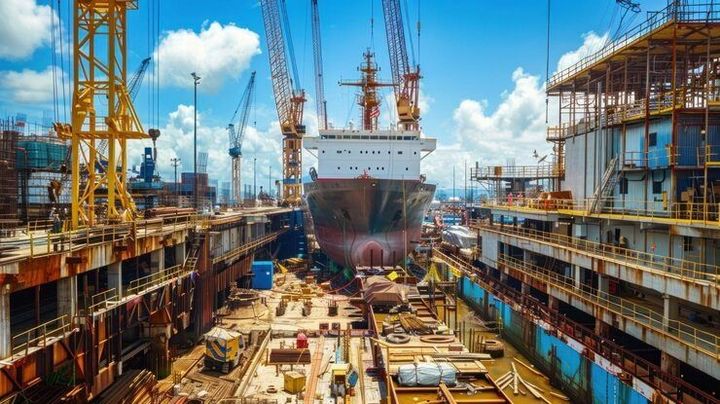
- Assembly involves cranes and heavy lifting equipment.
- Surface finishing includes blasting and coating machinery.
- Final inspection uses measurement tools and testing systems.
Each category contributes to producing vessels that meet engineering specifications and maritime standards.
Recent Updates
Between 2024 and 2026, shipbuilding technology has continued to develop in response to changing environmental requirements, digital manufacturing, and increased automation.
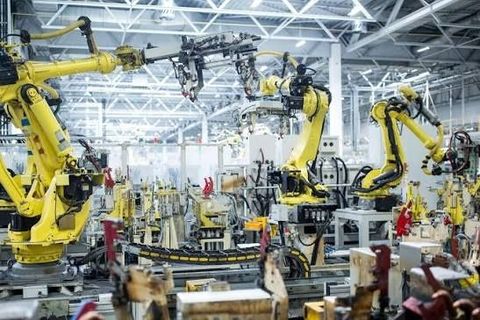
One significant trend is the wider adoption of robotic welding systems. Automated welding improves consistency while supporting production of large steel structures with precise weld quality.
Digital shipyard technology has also become more common. Many shipyards now integrate computer-aided manufacturing, digital twins, and production management software to coordinate design, fabrication, and assembly more efficiently.
Artificial intelligence is increasingly assisting with production planning, predictive equipment maintenance, and quality inspection. Machine learning tools help identify potential manufacturing issues before they become larger problems.
Environmental considerations have also influenced shipbuilding equipment development. Modern coating systems, energy-efficient machinery, and waste reduction technologies help shipyards reduce emissions and improve resource management.
Other notable developments include:
- Increased automation in steel processing
- Advanced laser measurement systems
- Smart sensors for equipment monitoring
- Improved heavy-lift crane technology
- Expansion of modular ship construction methods
These developments continue to improve productivity while supporting international sustainability goals.
Laws or Policies
Shipbuilding equipment operates within national and international regulatory frameworks designed to maintain safety, environmental protection, and product quality.
Many countries require shipyards to follow occupational safety regulations covering machinery operation, lifting equipment, electrical systems, and worker protection.
International maritime organizations establish standards that influence vessel construction and inspection. Classification societies also publish technical rules for ship design, structural integrity, welding procedures, and quality assurance.
Environmental regulations increasingly affect shipyard operations by addressing:
- Air emissions
- Hazardous material management
- Industrial waste disposal
- Noise control
- Water pollution prevention
Equipment manufacturers often design machinery to support compliance with these regulations while improving operational efficiency.
Shipyards also implement quality management systems that document manufacturing processes, inspections, maintenance schedules, and equipment calibration.
Tools and Resources
Several digital tools and professional resources help individuals learn about shipbuilding equipment, engineering practices, and maritime standards.
Useful resources include:
- International maritime organization publications
- Classification society technical guidance
- Marine engineering reference manuals
- CAD software for ship design
- Equipment maintenance management platforms
- Welding procedure documentation systems
Many engineering software platforms support:
- Structural modeling
- Production planning
- Material management
- Equipment scheduling
- Quality documentation
- Project coordination
Educational institutions, maritime research organizations, and technical training centers also publish learning materials covering ship construction methods and manufacturing technologies.
FAQs
What is shipbuilding equipment?
Shipbuilding equipment includes the machinery, tools, lifting systems, welding equipment, inspection devices, and manufacturing technologies used to construct ships and marine structures.
Why is shipbuilding equipment important?
It improves manufacturing accuracy, production efficiency, worker safety, and quality control while supporting the construction of reliable marine vessels.
What industries use ship construction tools?
Commercial shipyards, naval organizations, offshore engineering companies, marine manufacturers, repair facilities, and maritime research institutions commonly use shipbuilding equipment.
How has shipbuilding equipment changed in recent years?
Recent developments include increased automation, robotic welding, digital manufacturing systems, artificial intelligence applications, smart sensors, and environmentally responsible production technologies.
What skills are useful for understanding shipbuilding equipment?
Basic knowledge of mechanical engineering, manufacturing processes, welding, materials science, industrial automation, and maritime engineering helps individuals understand modern ship construction tools.
Conclusion
Shipbuilding equipment forms the technological foundation of modern ship construction. Specialized machinery supports every production stage, from steel preparation and fabrication to assembly, inspection, and finishing. Continuous improvements in automation, digital engineering, and precision manufacturing are shaping more efficient shipyards.
Recent developments between 2024 and 2026 demonstrate how innovation is improving productivity while supporting environmental objectives and manufacturing quality. As maritime industries continue to evolve, shipbuilding equipment will remain an important part of global transportation, defense, offshore infrastructure, and marine engineering.
Understanding the purpose, applications, regulations, and technological developments surrounding shipbuilding equipment provides valuable knowledge for students, researchers, engineers, and anyone interested in modern industrial manufacturing. Staying informed about these tools helps explain how today's ships are constructed with greater precision, safety, and operational efficiency.