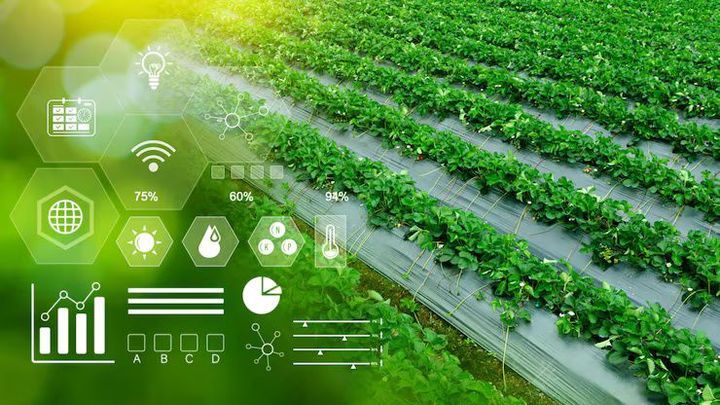
Smart Farming and Advanced Farm Equipment: A Complete Guide to Modern Agricultural Systems
Agriculture is entering a new era shaped by innovation, precision, and efficiency. Traditional practices are steadily evolving into systems driven by data and intelligent tools. Farmers today are adopting advanced solutions to improve productivity while reducing waste and effort. From soil preparation to harvesting, every stage is becoming more streamlined. This guide explores how modern tools and systems are transforming agriculture worldwide.
Farm Equipment and Smart Systems Powering Today’s Agriculture
Farm equipment plays a central role in improving productivity, especially when combined with smart farming technology. Today’s farming machinery is no longer limited to mechanical tools - it now integrates digital intelligence.
Core Role of Agricultural Equipment
Agricultural equipment such as tractors, ploughs, and harvesters forms the operational base of farming. These tools simplify fieldwork and increase efficiency across all stages.
Blending Machinery with Intelligence
Modern agricultural equipment now integrates smart farming technology like sensors and GPS. This combination allows farmers to monitor and control operations with precision.
Scaling with Commercial Farm Equipment
Commercial farm equipment is designed for large-scale farming, enabling faster operations. It supports agribusinesses aiming for higher output with reduced manual effort.
Automation in Daily Operations
Automated farming machines are increasingly used for repetitive tasks. This reduces labor dependency while improving consistency in farm activities.
Types of Agricultural Equipment Used Across Farming Systems
Understanding different types of agricultural equipment helps farmers choose the right tools for their needs. Each category of farm equipment serves a specific purpose.
Soil Preparation Machinery
Farming machinery like ploughs and cultivators prepares land for planting. These tools improve soil structure and ensure better crop growth conditions.
Planting and Seeding Equipment
Modern agricultural equipment such as seed drills ensures accurate seed placement. This improves germination rates and reduces wastage.
Irrigation Farm Equipment
Advanced farm equipment includes drip and sprinkler systems. These systems optimize water usage and support sustainable farming practices.
Harvesting and Post-Harvest Tools
Automated farming machines like combine harvesters reduce harvesting time. Commercial farm equipment is also used for sorting and packaging produce efficiently.
Exploring Modern Agricultural Equipment and Its Practical Benefits
Modern agricultural equipment has transformed how farms operate by improving productivity and reducing operational costs.
Higher Productivity with Less Effort
Farming machinery enables farmers to manage larger areas efficiently. This leads to increased yield without proportional increases in labor.
Cost Efficiency and ROI
While agricultural equipment requires initial investment, it reduces long-term costs. Commercial farm equipment lowers labor expenses and improves output consistency.
Precision Resource Management
Smart farming technology ensures precise use of water, fertilizers, and pesticides. This reduces waste and enhances sustainability.
Multi-Crop Compatibility
Modern agricultural equipment is versatile and adaptable to different crops. This flexibility makes it suitable for diverse farming systems.
Enhanced Safety and Reliability
Advanced farm equipment includes safety features that protect operators. Automated farming machines further reduce risks by minimizing manual intervention.
Smart Farming Technology and Data-Driven Agriculture
Smart farming technology is revolutionizing agriculture by turning farms into data-driven ecosystems. It works seamlessly with farming machinery and agricultural equipment.
IoT and Sensor Integration
Sensors collect real-time data on soil and crop conditions. This allows agricultural equipment to function more efficiently.
GPS and Precision Farming
GPS-enabled farming machinery improves accuracy in planting and spraying. Smart farming technology reduces input costs and increases efficiency.
Real-Time Decision Making
Farmers use data insights to make informed decisions quickly. This improves productivity and reduces risks associated with unpredictable conditions.
Remote Monitoring Systems
Smart farming technology allows farmers to manage operations remotely. Automated farming machines can be controlled and monitored through digital platforms.
Weather and Predictive Analytics
Integration with weather systems helps optimize farming schedules. This ensures better planning and reduces crop losses.
Automated Farming Machines and the Future of Efficiency
Automated farming machines are transforming traditional farming into a highly efficient system. These machines work alongside farm equipment to streamline operations.
Autonomous Tractors and Vehicles
Automated farming machines operate using AI and GPS systems. They perform tasks like ploughing and seeding with minimal human input.
Robotic Harvesting Systems
Advanced farming machinery includes robots that identify and harvest crops. This reduces labor costs and increases harvesting speed.
Drone Applications in Agriculture
Drones are part of smart farming technology used for monitoring and spraying. They enhance the efficiency of agricultural equipment operations.
Precision Spraying Systems
Automated farming machines apply inputs only where needed. This reduces chemical usage and improves environmental sustainability.
Time Optimization and Productivity Gains
Automation ensures timely completion of tasks. Commercial farm equipment combined with automation maximizes overall farm output.
Leading Global Companies in Agricultural Innovation
The growth of agricultural equipment and smart farming technology is driven by global industry leaders.
John Deere
John Deere is a leader in farming machinery and modern agricultural equipment. The company integrates smart farming technology into its farm equipment, offering precision-based solutions and automated farming machines for global farmers.
CNH Industrial
CNH Industrial produces commercial farm equipment under brands like Case IH and New Holland. Their agricultural equipment focuses on efficiency, automation, and sustainability.
Kubota Corporation
Kubota is known for compact and efficient farm equipment. The company develops modern agricultural equipment and supports smart farming technology adoption worldwide.
These companies continue to innovate, making farming machinery more efficient and accessible across different farming scales.
Choosing the Right Farm Equipment and Machinery for Your Needs
Selecting the right agricultural equipment requires careful planning and understanding of farm requirements.
Farm Size and Crop Type Consideration
Different farming machinery is suited for different scales. Commercial farm equipment is ideal for large farms, while smaller farm equipment suits local operations.
Budget and Investment Strategy
Modern agricultural equipment may require high upfront investment. However, automated farming machines provide long-term savings.
Compatibility with Existing Systems
Ensure new agricultural equipment integrates with current tools. Smart farming technology should complement existing workflows.
Maintenance and Support Availability
Choose reliable brands that offer strong service support. This ensures longevity of farm equipment.
Future Expansion and Scalability
Invest in farming machinery that can grow with your needs. Commercial farm equipment should support long-term expansion.
Challenges, Costs, and Future Trends in Agricultural Automation
While agricultural equipment and automation offer many benefits, there are challenges and future developments to consider.
Initial Investment Costs
Modern agricultural equipment can be expensive initially. However, the ROI improves with increased efficiency and reduced labor costs.
Skill and Training Requirements
Smart farming technology requires technical knowledge. Farmers must learn to operate advanced farming machinery effectively.
Infrastructure and Connectivity Issues
Automated farming machines rely on connectivity. Limited infrastructure can slow adoption in some regions.
Emerging Innovations
AI-driven farming machinery and robotics are shaping the future. Smart farming technology will continue to evolve rapidly.
Sustainability and Environmental Focus
Future agricultural equipment will focus on reducing environmental impact. Commercial farm equipment will become more eco-friendly and efficient.
Conclusion
Agriculture continues to evolve through innovation and technological advancement. The integration of intelligent systems and advanced tools is reshaping how farms operate globally. As these developments progress, they will play a key role in improving productivity, sustainability, and long-term growth. Staying informed about these changes helps farmers and businesses adapt effectively in a competitive and dynamic industry.