Industrial Fasteners Insights: Materials, Designs, and Performance
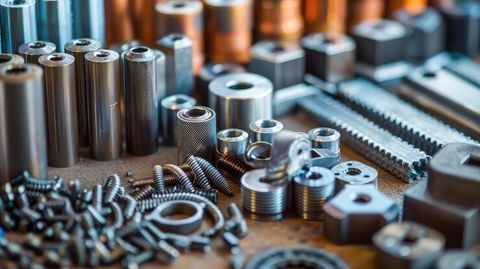
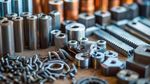
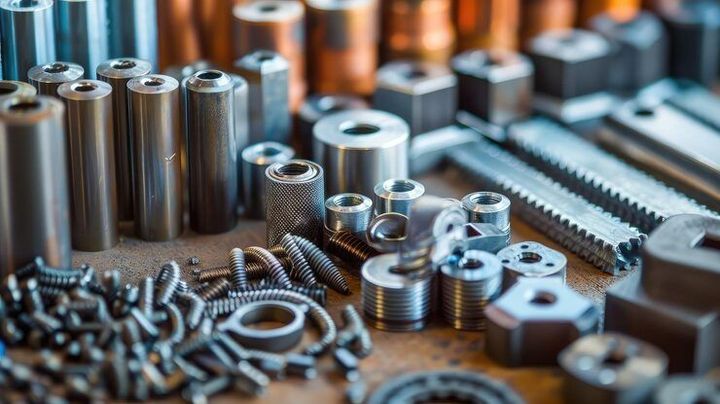
Industrial fasteners are essential components used to join, secure, and assemble parts in countless industries. From construction projects and manufacturing equipment to transportation systems and energy infrastructure, these components help create reliable and durable connections. Common examples include bolts, nuts, screws, washers, rivets, and anchors.
As industries continue to develop more advanced products and structures, the demand for stronger, lighter, and more corrosion-resistant fastening solutions has increased. Understanding fastener materials, designs, and performance characteristics helps engineers, manufacturers, maintenance teams, and project planners make informed decisions about assembly and structural integrity.
Context
Industrial fasteners are mechanical devices designed to connect two or more objects together. They have been used for centuries, evolving from simple metal pins and rivets into highly engineered fastening systems capable of operating in demanding environments.
The primary purpose of industrial fasteners is to create secure connections while allowing for efficient assembly, maintenance, and repair. Fasteners are available in various materials and designs to meet specific requirements such as strength, temperature resistance, corrosion protection, and vibration control.
Common Fastener Materials
Different materials provide different performance characteristics:
- Carbon steel for general industrial applications
- Stainless steel for corrosion resistance
- Alloy steel for high-strength requirements
- Aluminum for lightweight assemblies
- Brass for electrical and decorative applications
- Titanium for aerospace and high-performance environments
Common Fastener Designs
Fasteners are manufactured in many configurations, including:
- Hex bolts
- Machine screws
- Self-tapping screws
- Rivets
- Threaded rods
- Lock nuts
- Structural anchors
Importance
Industrial fasteners play a critical role in safety, reliability, and operational efficiency. A properly selected fastener helps maintain structural stability and reduces the risk of equipment failure.
Many sectors depend heavily on fastening technology, including:
- Construction and infrastructure
- Automotive manufacturing
- Aerospace engineering
- Renewable energy systems
- Electronics production
- Heavy industrial machinery
Fastener performance affects the lifespan of structures and equipment. Factors such as load capacity, fatigue resistance, vibration resistance, and corrosion protection influence long-term reliability.
Key Performance Factors
| Factor | Purpose | Impact on Performance |
|---|---|---|
| Tensile Strength | Resists pulling forces | Improves structural integrity |
| Shear Strength | Resists sideways forces | Supports load-bearing connections |
| Corrosion Resistance | Prevents material degradation | Extends service life |
| Temperature Resistance | Maintains strength under heat or cold | Supports demanding environments |
| Fatigue Resistance | Handles repeated stress cycles | Reduces failure risk |
| Thread Design | Improves grip and load distribution | Enhances connection stability |
Recent Updates
Between 2024 and 2026, several developments have influenced the industrial fastener sector.
One major trend is the increased use of advanced materials. Manufacturers are exploring lightweight alloys and corrosion-resistant coatings to improve durability while reducing overall assembly weight.
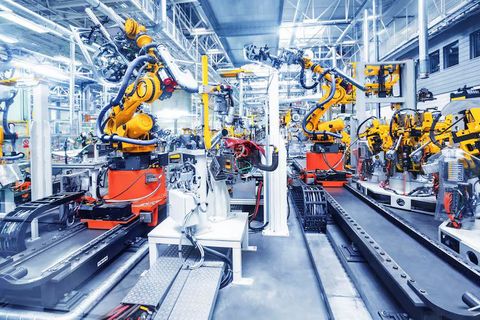
Another important development is the growth of smart manufacturing. Automated fastening systems equipped with sensors and digital monitoring technologies help improve assembly accuracy and quality control.
Sustainability has also become a significant focus. Organizations are adopting recyclable materials and environmentally responsible production processes to reduce environmental impact.
Additional trends include:
- Increased use of high-performance coatings
- Greater adoption of automated assembly systems
- Enhanced quality tracking through digital technologies
- Expansion of fastening solutions for renewable energy projects
- Improved standards for safety-critical applications
The rise of electric vehicles, solar installations, and wind energy infrastructure has also created demand for specialized fastening systems capable of operating in unique environmental conditions.
Laws or Policies
Industrial fasteners are subject to various regulations, standards, and quality requirements designed to promote safety and consistency.
Several internationally recognized standards guide fastener manufacturing and usage.
| Standard Organization | Area of Focus |
|---|---|
| ISO | International fastener specifications |
| ASTM | Material and testing standards |
| DIN | Engineering and manufacturing standards |
| ANSI | Industrial and mechanical standards |
| SAE | Automotive engineering standards |
In many regions, construction and industrial projects require compliance with approved fastener specifications. Quality verification, material traceability, and testing procedures are often mandatory for safety-critical applications.
Government infrastructure projects may also require documented compliance with national building codes and engineering standards.
Organizations typically maintain records related to:
- Material certifications
- Mechanical testing results
- Quality inspection reports
- Manufacturing traceability
- Regulatory compliance documentation
These requirements help ensure that fasteners perform as intended throughout their operational lifespan.
Tools and Resources
Various tools and resources help professionals evaluate and select appropriate industrial fasteners.
Useful categories include:
- Fastener strength calculators
- Torque calculation tools
- Engineering reference databases
- Material compatibility charts
- Corrosion resistance guides
- Technical specification libraries
Industry organizations and standards bodies publish technical documents that provide guidance on installation procedures, testing methods, and performance requirements.
Digital engineering platforms are increasingly being used to compare material properties, calculate load requirements, and manage compliance documentation.
Common resources support:
| Resource Type | Purpose |
|---|---|
| Torque Calculators | Determine proper tightening values |
| Material Databases | Compare material properties |
| Engineering Standards Libraries | Access technical specifications |
| CAD Platforms | Design and model assemblies |
| Inspection Checklists | Support quality verification |
| Compliance Documentation Systems | Track certifications and records |
These tools improve decision-making and help reduce the likelihood of assembly errors.
FAQs
What are industrial fasteners?
Industrial fasteners are mechanical components used to join, secure, or assemble materials and structures. Examples include bolts, screws, nuts, rivets, and anchors.
Why is material selection important for fasteners?
Different materials provide varying levels of strength, corrosion resistance, weight reduction, and temperature tolerance, making material selection critical for performance.
What causes fastener failure?
Common causes include improper installation, overloading, corrosion, vibration, fatigue, and the use of incorrect fastener types.
How do coatings improve fastener performance?
Protective coatings help resist corrosion, reduce wear, improve durability, and extend operational life in harsh environments.
Which industries use industrial fasteners the most?
Construction, automotive, aerospace, energy, manufacturing, transportation, and electronics industries rely heavily on industrial fasteners.
Conclusion
Industrial fasteners are fundamental components that support modern infrastructure, manufacturing, and engineering systems. Their effectiveness depends on material selection, design characteristics, and performance requirements. Recent developments between 2024 and 2026 have emphasized stronger materials, automation, sustainability, and improved quality control. Understanding fastener technologies, standards, and resources helps organizations maintain safe, reliable, and efficient operations across a wide range of applications.