Automatic Canning Line Overview: Types, Benefits and Industrial Applications
Automatic canning lines have become an important part of modern manufacturing and packaging industries. They help manufacturers package products accurately, improve production efficiency, and maintain consistent quality. From food and beverages to chemicals and pharmaceuticals, automated canning technology supports large-scale production while reducing manual handling.
What Is an Automatic Canning Line?
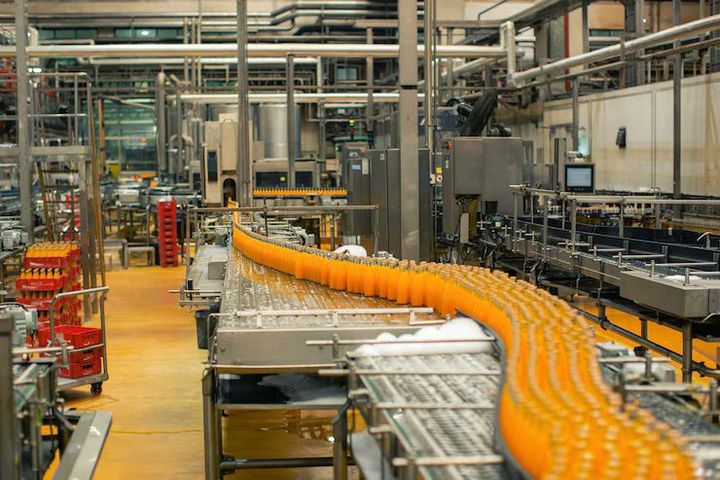
An automatic canning line is a complete production system designed to fill, seal, inspect, label, and package products into metal or aluminum cans using automated machinery. It combines multiple machines into one continuous workflow, allowing products to move smoothly from one production stage to another.
These systems were developed to improve packaging speed, maintain product consistency, and reduce production errors. As manufacturing industries expanded, businesses needed equipment capable of handling higher production volumes while maintaining quality standards. Automatic canning lines were introduced to meet these growing demands.
Today, automatic canning lines are widely used across industries that require reliable packaging solutions. They support continuous production while helping manufacturers maintain product safety and packaging accuracy.
How Does an Automatic Canning Line Work?
Although designs vary depending on the industry, most automatic canning lines include several key processes:
- Empty can feeding
- Can cleaning or rinsing
- Product filling
- Lid placement
- Can sealing
- Inspection and quality checking
- Coding and marking
- Label application
- Final packaging
Each stage works together automatically, reducing interruptions and improving production efficiency.
Why Automatic Canning Lines Matter Today
Automation has become a major part of industrial manufacturing. Companies continue to increase production capacity while maintaining strict quality requirements. Automatic canning lines help achieve these goals by providing consistent packaging performance.
These systems are especially valuable for industries handling products that require hygienic packaging and accurate filling.
Industries That Use Automatic Canning Lines
Automatic canning lines are commonly used in:
- Food processing
- Beverage manufacturing
- Dairy production
- Pharmaceutical manufacturing
- Chemical packaging
- Personal care products
- Nutritional products
- Industrial liquid packaging
Benefits of Automatic Canning Lines
Automatic canning systems provide several operational advantages:
- Higher production efficiency
- Improved packaging consistency
- Better filling accuracy
- Reduced material waste
- Enhanced product quality
- Continuous production capability
- Better hygiene during packaging
- Lower risk of packaging errors
- Easier quality monitoring
- Improved workplace safety
These advantages make automated packaging systems an important investment in modern industrial production.
Types of Automatic Canning Lines
Different industries require different canning solutions. Common types include:
Food Canning Lines
Designed for vegetables, fruits, soups, sauces, and ready-to-eat products.
Beverage Canning Lines
Used for carbonated drinks, juices, flavored beverages, energy drinks, and bottled water alternatives packaged in cans.
Powder Filling Canning Lines
Suitable for powdered food products, nutritional supplements, coffee, and industrial powders.
Chemical Canning Lines
Built for industrial chemicals, lubricants, paints, and specialty liquids.
Pharmaceutical Canning Systems
Designed to meet strict cleanliness and packaging accuracy standards.
Each type is optimized according to product characteristics and production requirements.
Recent Updates
Growing Automation During 2025–2026
Throughout 2025 and early 2026, manufacturers have increasingly adopted smart automation technologies within packaging equipment. Automatic canning lines now include intelligent production monitoring, improved sensors, and real-time performance tracking.
Modern production systems also provide better machine communication through industrial digital technologies, allowing operators to monitor production efficiency more effectively.
Increased Focus on Sustainable Packaging
During 2025, many manufacturing industries expanded the use of recyclable metal containers. This trend encouraged improvements in automatic canning equipment to support lightweight packaging materials while maintaining sealing quality.
Manufacturers are also focusing on reducing material waste and improving energy efficiency throughout production processes.
Smart Inspection Technologies
Recent developments include improved inspection systems capable of identifying sealing defects, incorrect fill levels, damaged containers, and labeling issues with greater accuracy.
Advanced vision systems and automated quality control continue improving production reliability across manufacturing facilities.
Predictive Equipment Monitoring
Modern canning lines increasingly use predictive maintenance technologies that monitor machine performance continuously. These systems help identify maintenance requirements before unexpected production interruptions occur.
This trend has become increasingly common during 2025 as manufacturers continue adopting Industry 4.0 production practices.
Laws or Policies
Food Safety Regulations
Food canning equipment must follow national food safety regulations that ensure hygienic processing and contamination prevention.
Manufacturers typically implement food safety management systems covering sanitation, production monitoring, cleaning procedures, and quality control.
Manufacturing Quality Standards
Industrial production equipment is generally expected to operate under recognized quality management frameworks that encourage consistent manufacturing practices and continuous process improvement.
Packaging and Labeling Requirements
Many countries have regulations governing:
- Product labeling
- Manufacturing information
- Batch identification
- Traceability
- Consumer information
- Expiry date marking where applicable
Automatic canning lines often include coding systems that support these regulatory requirements.
Workplace Safety Requirements
Industrial facilities operating automated packaging equipment generally follow workplace safety regulations covering:
- Machine guarding
- Emergency stop systems
- Operator safety
- Equipment maintenance
- Electrical protection
- Employee training
Environmental Policies
Many governments continue encouraging:
- Reduced industrial waste
- Efficient energy usage
- Recyclable packaging materials
- Sustainable manufacturing practices
- Responsible resource management
Automatic canning systems increasingly support these environmental objectives through improved production efficiency.
Tools and Resources
Several general resources can help manufacturers understand, monitor, and improve automatic canning operations.
Production Monitoring Tools
These systems help monitor:
- Production output
- Machine efficiency
- Equipment utilization
- Downtime analysis
- Performance reporting
Maintenance Planning Templates
Maintenance schedules assist operators by organizing:
- Preventive maintenance
- Equipment inspection
- Lubrication intervals
- Component replacement
- Safety inspections
Packaging Quality Checklists
Quality inspection checklists help verify:
- Fill accuracy
- Seal integrity
- Label alignment
- Can appearance
- Batch coding
Production Efficiency Calculators
General manufacturing calculators help estimate:
- Production capacity
- Output efficiency
- Packaging rates
- Equipment utilization
- Production planning
Training Materials
Manufacturing personnel often use educational resources covering:
- Machine operation
- Industrial safety
- Packaging standards
- Preventive maintenance
- Quality management
These resources support continuous learning and operational improvement.
Frequently Asked Questions
What is an automatic canning line?
An automatic canning line is a complete production system that automatically fills, seals, inspects, labels, and packages products into cans with minimal manual intervention.
Which industries commonly use automatic canning lines?
Food processing, beverage production, pharmaceuticals, chemicals, personal care manufacturing, dairy processing, and nutritional product industries commonly use automatic canning systems.
What are the main advantages of automatic canning lines?
Major advantages include higher production efficiency, improved packaging consistency, accurate filling, reduced waste, enhanced product quality, improved workplace safety, and continuous production capability.
How do automatic canning lines improve quality control?
Modern systems use automated inspection equipment to check fill levels, seal quality, labeling accuracy, and package appearance before products move to final packaging.
Are automatic canning lines compatible with smart manufacturing?
Yes. Many modern automatic canning lines support digital monitoring, production analytics, predictive maintenance, and real-time performance tracking as part of Industry 4.0 manufacturing practices.
Conclusion
Automatic canning lines have become an essential part of modern industrial manufacturing by improving production efficiency, packaging consistency, and product quality. Their ability to automate filling, sealing, inspection, and packaging processes helps manufacturers maintain reliable production while supporting operational accuracy and workplace safety.