Freight Management: Complete Guide to Logistics, Transportation, and Supply Chain Efficiency
Moving products from one place to another may seem simple, but it involves careful planning and coordination behind the scenes.
Every shipment must reach the right destination at the right time while keeping operations organized. That is where Freight Management plays an important role.
Whether products travel by road, rail, air, or sea, an effective freight process helps businesses and organizations handle transportation more efficiently. This guide explains what Freight Management is, how it works, its main components, common transportation methods, practical benefits, challenges, and ways to improve overall supply chain efficiency.
What Is Freight Management?
Freight Management is the process of planning, coordinating, tracking, and controlling the movement of goods from one location to another. It covers every stage of transportation, from preparing shipments to monitoring their progress until they reach their destination.
A well-organized freight process connects manufacturers, warehouses, transportation providers, distributors, and customers through a structured flow of information and goods.
Instead of focusing only on transportation, freight management also involves scheduling, documentation, shipment tracking, route planning, inventory coordination, and communication between different participants.
The main objectives include:
- Organizing shipment movement
- Improving transportation efficiency
- Reducing delays
- Maintaining shipment visibility
- Supporting accurate documentation
- Helping goods arrive safely
These activities work together to keep supply chains running smoothly across local, regional, and international routes.
How Freight Management Works
Freight Management follows a series of connected steps that help ensure goods move efficiently throughout the transportation process.
Shipment Planning
Everything begins with planning. The shipment size, destination, delivery timeline, transportation method, and packaging requirements are identified before goods begin moving.
Careful planning helps avoid unnecessary delays later in the process.
Packaging and Labeling
Products are prepared for transportation using suitable packaging that protects them during handling and transit.
Labels identify shipment details, destinations, handling instructions, and tracking information, making it easier to monitor every package.
Transportation Selection
Different transportation methods are chosen depending on shipment size, travel distance, delivery schedule, and product characteristics.
The selected method should match the shipment's specific requirements while supporting efficient movement.
Documentation
Accurate documentation supports smooth transportation across different locations.
Common documents may include shipping records, customs paperwork for international shipments, packing lists, invoices, and transportation documents. Complete records help reduce confusion during shipment movement.
Shipment Tracking
Modern Freight Management often includes digital tracking tools that provide updates throughout transportation.
Tracking information allows organizations to monitor shipment progress, identify delays early, and improve communication between all participants.
Delivery and Confirmation
Once goods arrive at their destination, the shipment is inspected and confirmed before records are updated.
This final step completes the transportation cycle and prepares information for future planning and reporting.
Main Transportation Methods Used in Freight Management
Different transportation options suit different shipment requirements. Many supply chains combine several methods to improve efficiency.
Road Transportation
Road transportation is widely used for short and medium-distance deliveries.
Its flexibility makes it suitable for moving products directly between warehouses, distribution centers, retail locations, and customers.
Road transportation is commonly selected because it can reach destinations that may not have rail, air, or port connections.
Rail Transportation
Rail transportation works well for moving large quantities of goods across long distances.
It is often used for bulk materials, industrial products, agricultural goods, and container shipments traveling between major transportation hubs.
Air Transportation
Air transportation is suitable when shipments need to arrive quickly.
It is frequently used for electronics, medical equipment, important documents, and other time-sensitive products that require faster movement.
Sea Transportation
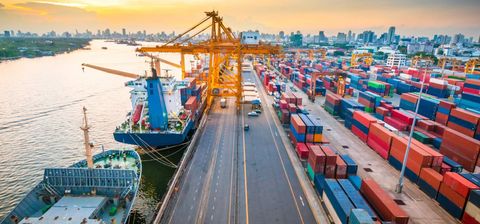
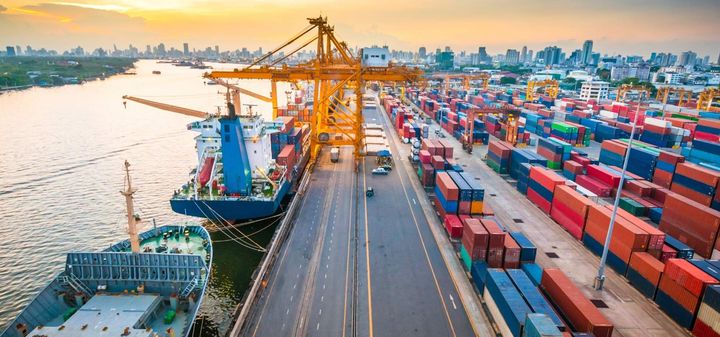
Sea transportation supports international trade by moving containers across oceans.
Large cargo volumes can travel between countries using container ships, making this method important for global supply chains.
Multimodal Transportation
Many shipments use more than one transportation method before reaching their destination.
For example, products may travel by sea, continue by rail, and complete their journey by truck. This combination improves flexibility while connecting different transportation networks.
Key Components of Freight Management
Successful Freight Management depends on several important elements working together.
Transportation Planning
Planning determines the most suitable routes, transportation methods, shipment schedules, and handling procedures.
Good planning reduces unnecessary movement and improves overall coordination.
Inventory Coordination
Transportation and inventory management are closely connected.
Keeping inventory levels aligned with shipment schedules helps avoid shortages and excessive storage.
Warehouse Operations
Warehouses receive, organize, store, and prepare products before transportation.
Efficient warehouse activities support faster shipment processing and smoother freight movement.
Route Optimization
Selecting practical transportation routes helps reduce travel time while improving shipment reliability.
Modern digital tools can evaluate multiple route options based on traffic, weather conditions, and transportation capacity.
Shipment Visibility
Shipment visibility allows organizations to understand where products are throughout the transportation process.
Real-time tracking helps improve communication and supports faster responses when unexpected situations occur.
Documentation Management
Accurate documentation keeps shipment information organized from origin to destination.
Proper recordkeeping supports customs procedures, inventory updates, transportation planning, and future reporting.
Benefits of Freight Management
An organized freight process provides advantages across many industries.
Better Transportation Efficiency
Careful planning helps transportation activities operate more smoothly.
Coordinated scheduling reduces unnecessary waiting time while improving shipment movement.
Improved Shipment Visibility
Tracking tools provide better insight into shipment locations throughout transportation.
This visibility helps organizations respond more quickly when delays or unexpected events occur.
Greater Accuracy
Digital documentation and shipment tracking reduce manual record entry and help improve information accuracy.
Clear records also support better communication among supply chain participants.
Stronger Supply Chain Coordination
Freight activities connect warehouses, transportation providers, inventory management, and distribution centers.
Better coordination allows each stage of the supply chain to work together more effectively.
Faster Decision-Making
Access to shipment information allows managers to make informed decisions regarding transportation routes, scheduling, and inventory planning.
This supports quicker responses when transportation conditions change.
Better Customer Experience
Reliable transportation helps products arrive according to planned schedules.
Accurate shipment updates also improve communication throughout the delivery process, helping customers stay informed.
Common Challenges in Freight Management
Although transportation systems continue to improve, several challenges remain.
Weather conditions can affect road, rail, air, and sea transportation.
Traffic congestion may increase travel times for road shipments.
International shipments often involve customs procedures that require accurate documentation.
Unexpected demand changes may create transportation bottlenecks.
Limited transportation capacity during busy periods can also affect shipment schedules.
Equipment maintenance, fuel availability, and infrastructure conditions may influence transportation performance as well.
Understanding these challenges helps organizations prepare contingency plans and maintain smoother operations.
Good Practices for Effective Freight Management
Organizations can strengthen transportation efficiency by following several practical approaches.
Maintain accurate shipment records throughout the transportation process.
Review transportation routes regularly to identify improvement opportunities.
Use shipment tracking tools to improve visibility.
Coordinate warehouse activities with transportation schedules.
Communicate clearly with everyone involved in the supply chain.
Inspect packaging before shipment to reduce the chance of damage during transit.
Monitor transportation performance regularly to identify recurring issues and improve future planning.
These practices help maintain organized freight operations while supporting dependable shipment movement.
The Future of Freight Management
Technology continues to reshape the transportation industry.
Artificial intelligence is helping improve route planning and shipment forecasting.
Internet-connected sensors allow shipments to be monitored in real time, providing updates on location and environmental conditions during transportation.
Automation is streamlining warehouse operations, while data analysis helps organizations identify transportation trends and improve planning decisions.
Electric vehicles, alternative fuels, and environmentally conscious transportation strategies are also becoming more common as organizations seek sustainable ways to move goods.
As supply chains continue evolving, Freight Management will remain an essential part of keeping products moving efficiently across local and global markets.
Conclusion
Freight Management is much more than moving goods from one place to another. It combines planning, transportation, tracking, documentation, warehouse coordination, and inventory management into one organized process that supports efficient supply chain operations.
By understanding transportation methods, key components, practical benefits, and common challenges, organizations can improve shipment visibility, strengthen coordination, and support reliable movement of goods. As technology continues advancing, freight management will play an even greater role in building flexible, efficient, and well-connected supply chains.