Industrial Bearings Overview: Features, Materials and Performance
Industrial bearings are essential mechanical components used in machines across manufacturing, transportation, agriculture, energy, mining, and many other industries. Their primary purpose is to reduce friction between moving parts while supporting different types of loads. An Industrial Bearings Overview helps readers understand how these components contribute to equipment reliability, efficiency, and long-term performance in a wide range of operating environments.
Understanding the features, materials, and performance of industrial bearings is valuable for engineers, maintenance teams, students, and anyone interested in industrial machinery. Bearings are available in many designs, each developed for specific applications. Learning about their construction, operating principles, and recent developments helps users make informed technical decisions while improving equipment knowledge.
Context
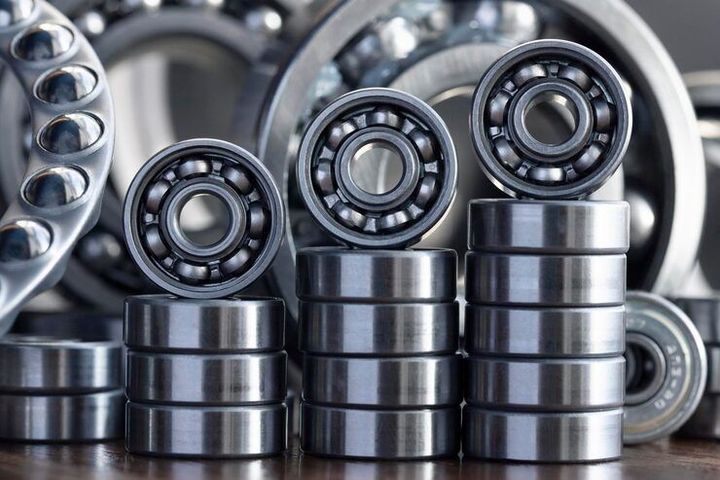
Industrial bearings are machine elements designed to guide rotating or linear motion while minimizing friction and supporting loads. They are found in electric motors, pumps, conveyors, turbines, gearboxes, compressors, construction equipment, and many other mechanical systems. Their design allows moving parts to operate smoothly with reduced wear.
The history of bearings dates back thousands of years, but modern industrial bearings have evolved significantly through advances in metallurgy, manufacturing precision, and lubrication technology. Today, manufacturers produce highly engineered bearings capable of operating under demanding conditions such as high speeds, heavy loads, extreme temperatures, and contaminated environments.
The main purpose of industrial bearings includes:
- Reducing friction between moving parts
- Supporting radial and axial loads
- Improving machine efficiency
- Extending equipment operating life
- Maintaining accurate shaft alignment
Common Types of Industrial Bearings
| Bearing Type | Primary Application | Load Capability |
|---|---|---|
| Ball Bearing | High-speed machinery | Moderate radial and axial loads |
| Roller Bearing | Heavy industrial equipment | High radial loads |
| Tapered Roller Bearing | Gearboxes and vehicle hubs | Combined radial and axial loads |
| Needle Bearing | Compact machinery | High load in limited space |
| Thrust Bearing | Vertical shafts | Primarily axial loads |
| Spherical Roller Bearing | Mining and heavy industries | Heavy loads with shaft misalignment |
Importance
Industrial bearings play a major role in keeping machinery operating efficiently across multiple industries. Even though bearings are relatively small compared to other machine components, their performance directly affects productivity, equipment reliability, and maintenance planning.
Industries that rely heavily on industrial bearings include manufacturing, power generation, mining, food processing, rail transportation, marine operations, aerospace, agriculture, and construction. Proper bearing selection supports smoother operation and reduces unnecessary mechanical stress.
Key benefits include:
- Reduced mechanical friction
- Improved energy efficiency
- Better rotational accuracy
- Lower vibration levels
- Longer equipment lifespan
- Increased operational reliability
Bearings also contribute to workplace safety by helping machinery operate within designed performance limits. When properly maintained, they reduce the likelihood of unexpected equipment interruptions caused by excessive wear or overheating.
Materials Used in Industrial Bearings
Material selection significantly influences bearing durability and performance.
Common bearing materials include:
- Chrome steel for general industrial applications
- Stainless steel for moisture and corrosion resistance
- Ceramic materials for high-speed and high-temperature environments
- Hybrid bearings combining ceramic balls with steel races
- Bronze and brass for specialized machinery
- Engineered polymers for lightweight and corrosion-resistant applications
Lubrication is equally important. Depending on operating conditions, bearings may use grease, oil, or solid lubrication systems to minimize friction and control heat generation.
Recent Updates
Between 2024 and 2026, industrial bearing technology has continued to advance through improved manufacturing techniques, digital monitoring, and material innovations.
One important trend is the growing adoption of smart bearings equipped with integrated sensors. These sensors monitor temperature, vibration, rotational speed, and lubrication conditions. Real-time data supports predictive maintenance strategies and helps identify developing mechanical issues before they become serious.
Manufacturers have also focused on developing environmentally responsible production methods. Improved recycling of bearing steel, reduced energy consumption during manufacturing, and environmentally compatible lubricants have become increasingly important.
Another notable development is the wider use of advanced ceramic and hybrid bearings. These designs provide improved resistance to wear, electrical current damage, and high operating temperatures, making them suitable for electric motors and renewable energy systems.
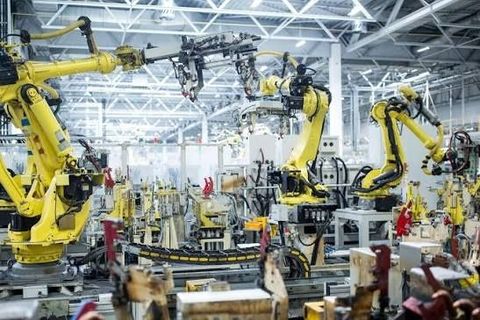
Automation continues to influence bearing manufacturing through precision machining, robotic assembly, and advanced quality inspection systems. These technologies improve dimensional accuracy and product consistency.
Industrial sectors such as wind energy, electric vehicles, robotics, and automated manufacturing continue to drive demand for bearings designed for higher efficiency and longer operating life.
Laws or Policies
Industrial bearings themselves are generally not regulated as standalone products in many countries, but their manufacturing, testing, and application are influenced by internationally recognized standards and industrial regulations.
Important standards include:
- ISO standards covering bearing dimensions, tolerances, and performance testing
- ASTM material specifications for bearing steels and related alloys
- IEC standards for machinery using rotating equipment
- National workplace safety regulations governing machine maintenance and operation
- Environmental regulations related to lubricant handling and industrial waste management
Quality management systems based on ISO 9001 are commonly used in bearing manufacturing to maintain consistent production quality.
For machinery used in regulated industries such as food processing, pharmaceuticals, and medical manufacturing, bearings may also need to meet additional cleanliness and material compatibility requirements specified by industry regulations.
Organizations responsible for equipment maintenance typically follow documented inspection schedules and lubrication practices to comply with workplace safety and equipment reliability requirements.
Tools and Resources
Several practical resources help engineers, technicians, students, and maintenance professionals understand industrial bearings more effectively.
Useful resources include:
- Manufacturer technical catalogs containing bearing dimensions and application data
- Bearing life calculation tools
- Shaft and housing tolerance charts
- Lubrication selection guides
- Vibration analysis software
- Predictive maintenance platforms
- Engineering handbooks
- International standards documentation
- Technical training materials from engineering organizations
These resources support bearing selection, installation, maintenance planning, and performance evaluation throughout a machine's operating life.
FAQs
What are industrial bearings used for?
Industrial bearings support rotating or moving machine parts while reducing friction and carrying radial or axial loads in various types of industrial equipment.
Which material is commonly used for industrial bearings?
Chrome steel is the most widely used material because it provides strength, durability, and wear resistance. Stainless steel, ceramic, and hybrid materials are also used for specialized operating conditions.
How do bearings improve machine performance?
Bearings reduce friction, improve rotational accuracy, minimize vibration, support mechanical loads, and contribute to smoother equipment operation.
What causes industrial bearing failure?
Common causes include insufficient lubrication, contamination, excessive loading, improper installation, shaft misalignment, corrosion, and normal wear over time.
Why are smart bearings becoming more common?
Smart bearings provide continuous monitoring of operating conditions through embedded sensors, allowing maintenance teams to detect developing problems earlier and improve equipment reliability.
Conclusion
Industrial bearings are fundamental components that support efficient and reliable machine operation across many industries. Their features, material selection, lubrication, and proper application all influence equipment performance and operating life. Recent advances in smart monitoring, improved materials, and precision manufacturing continue to enhance bearing technology between 2024 and 2026. Understanding these developments helps users better appreciate the important role bearings play in modern industrial systems.