Smart Gear Manufacturing Tips for Better Performance
Modern industries rely on advanced gear systems to maintain accuracy, efficiency, and durability in machinery. From automotive applications to robotics and aerospace equipment, gear technology has become an essential part of industrial operations. Companies involved in gear manufacturing continue to improve processes with automation, precision machining, and advanced material selection to meet growing performance expectations.
The demand for reliable transmission systems has increased the importance of precision engineering in modern production. Today, gear manufacturing companies focus on improving operational lifespan, reducing energy loss, and ensuring consistent motion control. Smart manufacturing methods now combine digital monitoring, automation, and high-accuracy machining for better productivity and long-term performance.
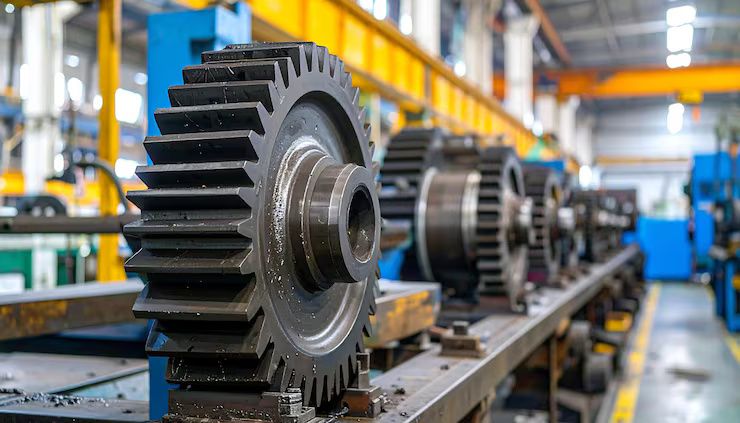
Understanding Smart Gear Manufacturing
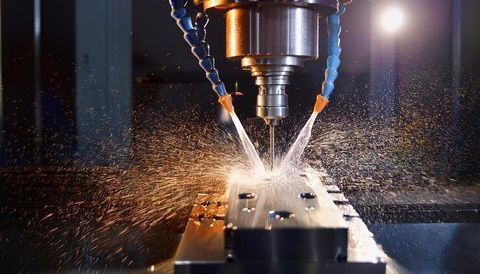
Smart gear manufacturing refers to the integration of advanced technologies into gear production processes. It combines automation, digital monitoring, computer-controlled machining, and data analysis to improve gear quality and operational consistency.
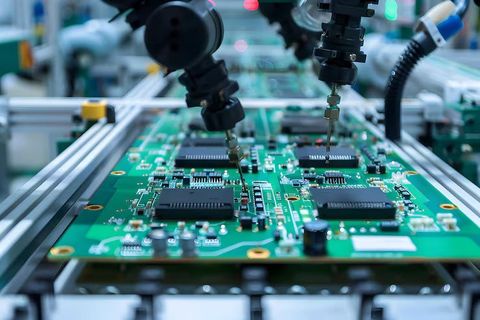
Traditional production methods often depended heavily on manual inspection and repetitive machining operations. Modern manufacturing environments now use sensors, AI-driven analysis, and automated systems to reduce production errors and improve dimensional accuracy.
Industries such as aerospace, robotics, renewable energy, and industrial automation require highly accurate gears capable of operating under extreme conditions. Because of this, aerospace gear manufacturing and robotic gear systems now depend on intelligent manufacturing processes that can maintain strict tolerances.
Key Technologies Used in Smart Manufacturing
Several technologies support modern gear production environments:
- CNC machining systems for high precision cutting
- Industrial automation for repeatable production cycles
- IoT sensors for real-time monitoring
- Predictive maintenance systems
- AI-assisted quality inspection
- Advanced heat treatment processes
These technologies help manufacturers improve efficiency while maintaining product consistency across large production volumes.
Importance of Precision in Gear Manufacturing
Precision is one of the most important factors in gear performance. Even a small alignment error can create vibration, noise, energy loss, and premature wear.
Precision gear manufacturing focuses on maintaining exact dimensions and smooth tooth geometry during machining. Accurate gear profiles improve torque transmission while minimizing friction and operational stress.
Custom gear machining has become increasingly important because many industries require specialized gear configurations for unique applications. Manufacturers now produce gears tailored to exact operational conditions, including speed requirements, temperature ranges, and load capacities.
Benefits of Precision Gear Production
Precision-focused manufacturing improves performance in several ways:
| Manufacturing Factor | Performance Benefit |
|---|---|
| Accurate tooth geometry | Reduced vibration |
| Tight dimensional tolerance | Improved efficiency |
| Surface finishing quality | Lower friction |
| Heat treatment accuracy | Better durability |
| Material consistency | Increased lifespan |
| Automated inspection | Reliable quality control |
Accurate manufacturing also supports quieter operation, which is especially important in robotics, medical systems, and aerospace applications.
Material Selection for Better Gear Performance
Material selection directly affects the strength, wear resistance, and thermal stability of gears. Smart manufacturing environments carefully analyze application requirements before choosing gear materials.
Common gear materials include alloy steel, stainless steel, bronze, cast iron, and engineered composites. Different industries require different material properties depending on operating conditions.
For example, aerospace gear manufacturing often uses lightweight but high-strength alloys to reduce system weight while maintaining structural reliability. Robotic gear systems may prioritize low friction and compact design for smoother movement and better efficiency.
Proper material selection improves:
- Load-bearing capacity
- Corrosion resistance
- Heat tolerance
- Wear resistance
- Fatigue strength
Advanced metallurgical testing now helps manufacturers identify the best material combinations for long-term operational reliability.
Role of Automation in Gear Manufacturing
Automation has transformed modern production facilities. Automated systems reduce human error while increasing production consistency and operational speed.
Industrial gearbox manufacturing increasingly uses robotic loading systems, automated inspection stations, and real-time production monitoring. These technologies improve accuracy while reducing production downtime.
Computer-controlled manufacturing systems can continuously monitor:
- Cutting speed
- Tool wear
- Temperature variation
- Dimensional accuracy
- Surface finish quality
This data allows manufacturers to make immediate process adjustments before defects develop.
Automation also supports predictive maintenance strategies. Sensors installed in machinery can detect abnormal vibration or temperature patterns, helping manufacturers address issues before equipment failure occurs.
Smart Inspection and Quality Control
Quality control plays a major role in gear reliability. Smart inspection systems use digital measurement tools and automated scanning equipment to verify dimensional accuracy during production.
Modern facilities use technologies such as:
- Coordinate measuring machines (CMM)
- Laser scanning systems
- Optical inspection tools
- AI-powered defect detection
- Surface roughness analysis
These inspection methods improve consistency and reduce the likelihood of defective components entering operational systems.
Digital quality monitoring also allows manufacturers to maintain detailed production records for traceability and compliance requirements.
Improving Efficiency Through Gear Design
Gear design directly influences operational performance. Engineers now use advanced simulation software to evaluate stress distribution, thermal behavior, and load capacity before manufacturing begins.
Efficient gear design can improve:
- Torque transmission
- Power efficiency
- Noise reduction
- Heat dissipation
- System lifespan
Custom gear machining allows manufacturers to produce application-specific designs for industries with unique operational demands.
For example, robotic gear systems often require compact gears with minimal backlash for precise movement control. Industrial gearbox manufacturing may focus on heavy-duty designs capable of handling high torque loads continuously.
Simulation-based engineering also reduces development time by identifying design weaknesses before production starts.
Heat Treatment and Surface Finishing
Heat treatment is critical for improving gear durability and wear resistance. Proper heat treatment increases hardness while maintaining sufficient flexibility to prevent cracking under stress.
Common heat treatment methods include:
- Carburizing
- Nitriding
- Induction hardening
- Tempering
Each process affects gear performance differently depending on operational requirements.
Surface finishing also improves performance by reducing friction and minimizing surface imperfections. Grinding, honing, and polishing processes help create smoother gear tooth surfaces that support quieter and more efficient operation.
In precision gear manufacturing, surface finishing quality can significantly affect long-term durability.
Reducing Noise and Vibration
Noise and vibration are common challenges in gear systems. Poor alignment, inaccurate machining, and surface imperfections can all contribute to operational instability.
Manufacturers reduce vibration by focusing on:
- Accurate tooth alignment
- Smooth surface finishing
- Balanced gear geometry
- Proper lubrication systems
- Precision assembly procedures
Robotic gear systems especially depend on low-vibration performance for accurate movement and positioning.
Modern manufacturing systems also use vibration analysis software to monitor gear performance during testing. This helps engineers identify and correct potential issues before deployment.
Digital Manufacturing and Data Analytics
Data analytics has become an important part of smart manufacturing environments. Modern production facilities collect large amounts of operational data during machining, inspection, and testing.
This information helps manufacturers:
- Improve production efficiency
- Reduce waste
- Monitor machine performance
- Predict maintenance requirements
- Enhance product consistency
Industrial gearbox manufacturing facilities increasingly rely on cloud-connected monitoring systems that provide real-time production insights.
Artificial intelligence can also analyze historical production data to identify recurring issues and optimize machining parameters for better results.
Digital manufacturing supports faster decision-making and continuous process improvement.
Sustainability in Modern Gear Manufacturing
Sustainability has become a major focus in industrial production. Manufacturers are now adopting environmentally responsible practices to reduce waste and energy consumption.
Smart manufacturing contributes to sustainability through:
- Efficient material usage
- Reduced production errors
- Lower energy consumption
- Predictive maintenance
- Automated process optimization
Advanced machining technologies also help reduce excess material removal during production.
Many gear manufacturing companies now prioritize recyclable materials and energy-efficient machinery to support long-term environmental goals.
Future Trends in Gear Manufacturing
The future of gear production will continue evolving with advancements in automation, AI, and digital engineering.
Emerging trends include:
- AI-driven production optimization
- Fully connected smart factories
- Advanced robotics integration
- Additive manufacturing for prototypes
- Real-time digital twin simulations
Aerospace gear manufacturing and robotic gear systems are expected to benefit significantly from these innovations.
As industries demand greater precision and efficiency, manufacturers will continue investing in intelligent production technologies that improve performance and reliability.
Conclusion
Smart gear manufacturing is transforming the way industries produce high-performance transmission systems. Advanced technologies such as automation, digital monitoring, AI-assisted inspection, and precision machining are helping manufacturers achieve greater efficiency, reliability, and durability.
Precision gear manufacturing remains essential for industries that depend on accurate motion control and long operational life. Whether in aerospace applications, industrial gearbox manufacturing, or robotic gear systems, modern production methods are improving operational performance while reducing maintenance challenges.
As manufacturing technologies continue to evolve, companies that adopt intelligent production strategies will remain better positioned to meet the growing demand for advanced gear solutions.