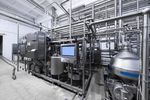
As industries continue adopting energy-efficient technologies and industrial automation systems, modern pumping equipment has become smarter, more reliable, and more efficient. Today, industrial pumping systems are connected with digital monitoring platforms, predictive maintenance tools, and advanced hydraulic technologies to improve operational performance.
Understanding industrial water pump types and their operating principles helps businesses, engineers, and facility managers improve system efficiency, reduce energy consumption, and maintain consistent fluid flow across industrial environments.
What Industrial Water Pumps Do
Industrial water pumps are mechanical devices that transfer water, chemicals, sludge, or liquids through pipelines using pressure and motion. They are commonly used in industries such as:
-
Manufacturing
-
Oil and gas
-
Water treatment
-
Construction
-
Agriculture
-
Mining
-
Power generation
-
Food processing
According to global industrial automation reports, pumping systems account for nearly 20% of worldwide electrical motor energy usage in industrial facilities. This highlights the importance of selecting the right industrial fluid handling equipment for operational efficiency.
Centrifugal Pumps And Their Operating Principle
Centrifugal pumps are among the most widely used industrial water pump types. These pumps operate using centrifugal force generated by a rotating impeller.
How Centrifugal Pumps Work
Water enters the pump through the inlet. The rotating impeller increases the velocity of the liquid, converting mechanical energy into kinetic energy. The pump casing then transforms this velocity into pressure energy, pushing the water through the discharge outlet.
Common Applications
-
HVAC systems
-
Water supply plants
-
Irrigation systems
-
Industrial cooling systems
-
Chemical processing facilities
Key Advantages
-
Continuous fluid flow
-
High operational efficiency
-
Lower maintenance requirements
-
Suitable for high-volume fluid transfer
Centrifugal pump systems are popular because they support energy-efficient pump technology and integrate easily with industrial automation platforms.
Positive Displacement Pumps And Their Operating Principle
Positive displacement pumps move fluids by trapping a fixed amount of liquid and forcing it into the discharge pipe. Unlike centrifugal pumps, these systems maintain a consistent flow regardless of pressure changes.
How Positive Displacement Pumps Work
The pump creates expanding cavities on the suction side and shrinking cavities on the discharge side. This mechanical action moves fluid steadily through the system.
Types Of Positive Displacement Pumps
Gear Pumps
Gear pumps use rotating gears to move liquid through the pump housing. They are widely used for oil transfer and hydraulic systems.
Diaphragm Pumps
These pumps use flexible diaphragms to move liquids and are ideal for handling corrosive chemicals and wastewater.
Piston Pumps
Piston pumps create high pressure using reciprocating pistons. They are commonly used in high-pressure industrial applications.
Common Applications
-
Chemical processing
-
Fuel transfer systems
-
Food production
-
Pharmaceutical manufacturing
-
Hydraulic machinery
Positive displacement pumps are often selected for high-pressure water pumps and precision fluid transfer applications.
Submersible Pumps And Their Operating Principle
Submersible pumps are designed to operate while fully submerged in water or other liquids. These pumps are sealed tightly to prevent water from damaging the motor.
How Submersible Pumps Work
The motor drives an impeller that pushes water toward the surface instead of pulling it upward. This design improves pumping efficiency and reduces the risk of cavitation.
Common Applications
-
Groundwater extraction
-
Sewage treatment plants
-
Mining operations
-
Floodwater management
-
Deep well systems
Submersible pumping technology is highly effective in wastewater pumping systems and industrial drainage operations.
Axial Flow Pumps And Mixed Flow Pumps
Axial flow pumps move water parallel to the pump shaft, making them suitable for applications requiring high flow rates with relatively low pressure.
Mixed flow pumps combine centrifugal and axial movement to provide balanced flow and pressure performance.
Common Applications
-
Flood control systems
-
Irrigation canals
-
Power plants
-
Municipal water management
These pumps are commonly found in large-scale infrastructure projects involving industrial water circulation systems.
Smart Pump Technology And Industrial Automation
Modern industrial water pumps now include intelligent monitoring systems powered by Industrial Internet of Things technology and digital sensors.
Features Of Smart Pump Systems
-
Real-time pressure monitoring
-
Predictive maintenance analytics
-
Energy consumption tracking
-
Automated flow adjustment
-
Remote system diagnostics
Smart pumping solutions help industries reduce downtime and improve operational reliability. Many advanced industrial facilities now use AI-powered maintenance systems to identify pump failures before they occur.
The integration of industrial automation systems with pump efficiency technology continues to reshape modern manufacturing and water treatment infrastructure.
Energy Efficiency In Industrial Pumping Systems
Energy efficiency has become a major focus across industrial sectors due to rising electricity demand and sustainability goals.
Factors Affecting Pump Efficiency
-
Pump design
-
Motor efficiency
-
Pipe diameter
-
Fluid viscosity
-
System pressure
-
Maintenance quality
Energy-efficient pumps reduce operational costs and minimize carbon emissions. Variable frequency drives are also commonly used to optimize motor speed and reduce unnecessary power consumption.
Industry research suggests that optimized pumping systems can reduce industrial energy use by up to 30% in certain applications.
Common Challenges In Industrial Water Pump Operations
Industrial pumping systems face several operational challenges that can impact performance and equipment lifespan.
Cavitation
Cavitation occurs when vapor bubbles form inside the pump due to low pressure conditions. These bubbles collapse rapidly and can damage internal components.
Corrosion
Chemical exposure and poor water quality may cause corrosion in pump components over time.
Overheating
Continuous heavy-duty operation without proper cooling can increase motor temperatures and reduce system reliability.
Seal Failure
Worn mechanical seals may lead to leaks, pressure loss, and equipment shutdowns.
Regular maintenance, pressure monitoring, and fluid analysis help reduce these issues and improve long-term system performance.
Future Trends In Industrial Water Pump Technology
The industrial pump industry continues evolving with advancements in automation, sustainability, and digital engineering.
Key emerging trends include:
-
AI-powered predictive maintenance
-
Energy-efficient motor systems
-
Smart fluid management platforms
-
Remote monitoring technology
-
Advanced hydraulic engineering
-
Sustainable water infrastructure
Global industries are increasingly investing in intelligent industrial pumping systems that improve productivity while supporting environmental goals.
Final Thoughts
Industrial water pumps are essential components in modern industrial operations. From centrifugal pump systems to positive displacement pumps and smart automation technologies, each pump type serves a specific purpose based on pressure requirements, fluid characteristics, and operational demands.
Understanding industrial water pump types and their operating principles helps industries improve efficiency, reduce downtime, and optimize fluid handling processes. As technology advances, industrial pumping systems will continue becoming smarter, more energy-efficient, and more connected to digital infrastructure worldwide.