Heavy Equipment Overview: Types, Uses, and Benefits
Heavy equipment plays an important role in modern construction, mining, agriculture, transportation, and infrastructure development. These powerful machines are designed to perform tasks that require significant strength, precision, and efficiency. From excavating land to lifting heavy materials, heavy equipment helps complete complex projects more safely and effectively than manual methods.
This Heavy Equipment Overview explains the different types of heavy equipment, their common uses, major benefits, recent industry developments, and regulations that guide safe operation. Whether used for public infrastructure, industrial projects, or farming, heavy equipment continues to support economic growth and technological progress across many sectors.
Context
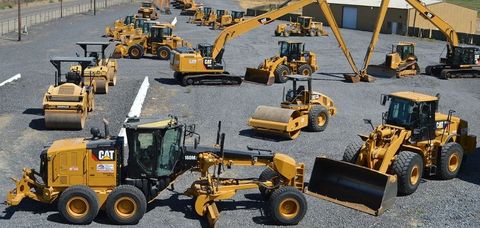
Heavy equipment refers to large machines specifically designed for construction, earthmoving, material handling, road building, mining, forestry, and agricultural operations. These machines combine mechanical, hydraulic, and electronic systems to perform demanding tasks efficiently.
The use of heavy equipment has evolved significantly over the past century. Early machines relied mainly on mechanical systems, while modern equipment includes advanced hydraulic controls, electronic monitoring, GPS technology, and automation features. The purpose of heavy equipment is to improve productivity, reduce physical labor, increase operational precision, and support projects that would otherwise require much more time and manpower.
Different industries depend on heavy equipment for specialized operations. Construction companies use excavators and cranes, mining operations rely on haul trucks and loaders, while agricultural businesses operate tractors and harvesters to improve field productivity.
Common Types of Heavy Equipment
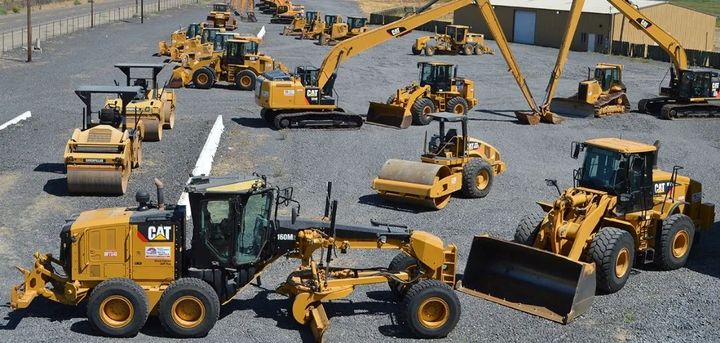
Some of the most widely used heavy equipment includes:
- Excavators
- Bulldozers
- Wheel loaders
- Backhoe loaders
- Motor graders
- Cranes
- Dump trucks
- Compactors
- Forklifts
- Asphalt pavers
- Tractors
- Skid steer loaders
Each machine is designed for specific applications, making equipment selection an important part of project planning.
Importance
Heavy equipment is essential because it enables projects to be completed more efficiently, accurately, and safely. Large infrastructure developments such as highways, bridges, airports, dams, and industrial facilities rely heavily on specialized machinery.
Many industries benefit from heavy equipment, including:
- Construction
- Mining
- Agriculture
- Forestry
- Manufacturing
- Energy
- Waste management
- Transportation
The benefits of heavy equipment include:
- Faster project completion
- Improved operational efficiency
- Better material handling
- Increased workplace safety through mechanical assistance
- Greater precision in excavation and grading
- Reduced physical strain during demanding tasks
- Support for large-scale infrastructure development
Proper equipment selection also helps improve fuel efficiency, reduce unnecessary machine wear, and increase overall project productivity.
Recent Updates
The heavy equipment industry experienced several notable developments between 2024 and 2026. Manufacturers increasingly focused on digital technology, fuel efficiency, automation, and lower emissions while improving machine performance.
Some important trends include:
- Greater adoption of electric and hybrid heavy equipment.
- Expansion of GPS-guided machine control systems.
- Increased use of telematics for equipment monitoring.
- More predictive maintenance through sensor technology.
- Improved operator assistance features for safer operation.
- Continued development of autonomous construction equipment.
- Greater integration of artificial intelligence for fleet management.
Digital monitoring systems now help operators track machine performance, maintenance schedules, fuel consumption, and equipment utilization. These technologies support better planning while reducing unexpected downtime.
Environmental sustainability has also become an important industry focus. Manufacturers continue developing machines that meet stricter emission standards while improving fuel efficiency and reducing environmental impact.
Laws or Policies
Heavy equipment operation is regulated through workplace safety laws, environmental standards, operator training requirements, and equipment inspection rules. Regulations vary between countries, but most focus on reducing workplace risks and ensuring machines are operated safely.
Employers are generally responsible for maintaining equipment, conducting inspections, and ensuring operators receive appropriate training. Many jurisdictions also require regular maintenance records and safety documentation.
The table below summarizes common regulatory areas.
| Regulation Area | Primary Purpose |
|---|---|
| Operator training | Improves safe machine operation |
| Equipment inspections | Identifies mechanical problems |
| Workplace safety standards | Reduces operational hazards |
| Environmental regulations | Controls emissions and pollution |
| Maintenance documentation | Supports equipment reliability |
| Personal protective equipment requirements | Improves operator safety |
Safe Operating Practices
Operators can improve safety by following established procedures, including:
- Conduct pre-operation inspections.
- Wear appropriate personal protective equipment.
- Follow manufacturer operating instructions.
- Maintain safe working distances.
- Monitor ground conditions before operation.
- Use clear communication around active machinery.
- Stop operation if unsafe conditions develop.
Routine inspections help identify potential mechanical issues before they become significant safety concerns.
Tools and Resources
Several organizations and digital platforms provide educational materials and planning resources related to heavy equipment.
Useful resources include:
- Government occupational safety websites
- Construction safety guidance documents
- Equipment maintenance checklists
- Fleet management software
- GPS machine guidance platforms
- Fuel consumption calculators
- Preventive maintenance templates
- Digital inspection forms
- Equipment operator training materials
Many fleet management systems also provide machine location tracking, maintenance scheduling, utilization reports, and performance monitoring that support more efficient equipment management.
Manufacturers frequently publish operator manuals and maintenance guides that explain recommended operating procedures, inspection intervals, and safety precautions.
FAQs
What is heavy equipment?
Heavy equipment refers to large machines used for construction, earthmoving, mining, agriculture, transportation, and industrial applications that require significant power and durability.
What are the most common types of heavy equipment?
Common examples include excavators, bulldozers, cranes, wheel loaders, dump trucks, graders, compactors, backhoe loaders, forklifts, and tractors.
Why is heavy equipment important?
Heavy equipment improves productivity, supports infrastructure development, reduces manual labor, increases operational accuracy, and helps complete large-scale projects efficiently.
How has heavy equipment changed in recent years?
Recent developments include electric equipment, GPS guidance, telematics, predictive maintenance, automation technologies, and improved environmental performance.
What safety measures should operators follow?
Operators should complete equipment inspections, use personal protective equipment, follow operating procedures, monitor surroundings, communicate clearly with nearby workers, and perform regular maintenance checks.
Conclusion
Heavy equipment remains a vital part of construction, agriculture, mining, transportation, and many other industries. Modern machines continue to evolve through automation, digital monitoring, and improved environmental performance while supporting efficient project completion. Understanding different types of heavy equipment, safe operating practices, and current industry developments helps individuals better appreciate their role in today's infrastructure and industrial activities. Continuous learning and proper equipment management contribute to safer and more productive operations.