Discover Electronic Assembly Machinery Trends and Automation Insights
Electronic assembly machinery plays an important role in modern electronics manufacturing. These machines help assemble printed circuit boards used in devices such as smartphones, medical tools, industrial systems, and automotive electronics. Over the years, automation has improved the speed, consistency, and accuracy of production processes.
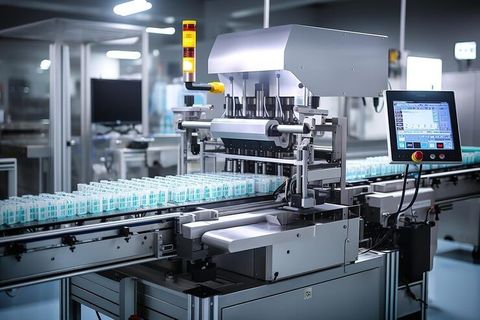
A typical PCB Assembly line includes several connected systems that work together. These systems often include a PCB Loader, SMT Machine, Pick And Place equipment, Reflow Oven systems, Wave Soldering machines, and AOI Machine technology. Each machine performs a specific task during the assembly process.
How Electronic Assembly Machinery Works
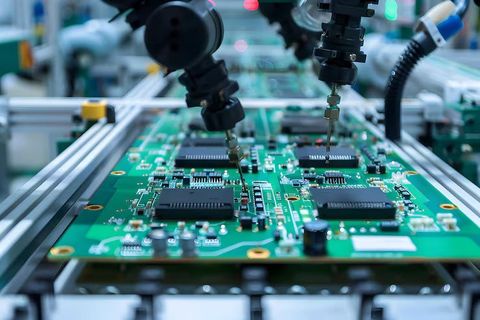
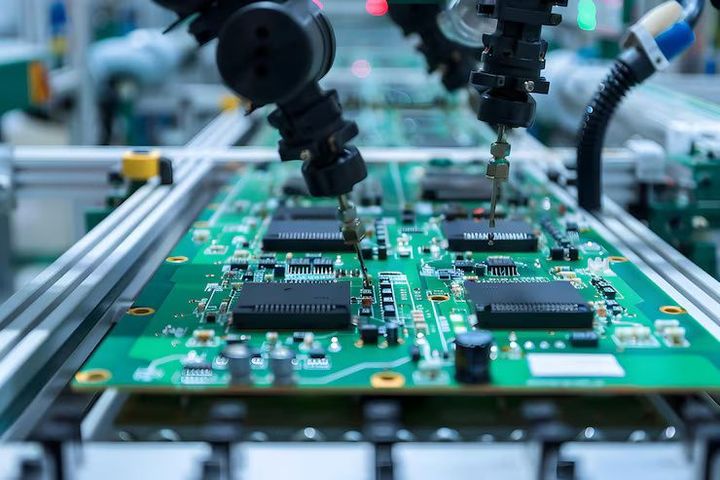
The process usually starts when a PCB Loader places circuit boards onto the production line. A solder paste printer applies material to the board surface. After that, a Pick And Place system positions electronic components onto the board with high precision.
The assembled board then moves through a Reflow Oven, where heat melts the solder paste and forms electrical connections. Some products also use Wave Soldering for through-hole components. Finally, an AOI Machine checks the board for alignment issues, missing components, or soldering defects.
Common Equipment Used in PCB Assembly
| Equipment | Main Purpose |
|---|---|
| PCB Loader | Feeds boards into the assembly line |
| SMT Machine | Handles surface-mount assembly processes |
| Pick And Place | Positions electronic components accurately |
| Reflow Oven | Heats solder paste to secure components |
| Wave Soldering | Solders through-hole electronic parts |
| AOI Machine | Inspects boards for assembly defects |
Importance
Electronic assembly machinery supports many industries that depend on reliable electronic systems. Manufacturing companies use these machines to improve consistency, reduce manual errors, and increase production efficiency.
Industries affected by PCB Assembly include:
- Consumer electronics
- Automotive manufacturing
- Telecommunications
- Aerospace technology
- Medical equipment
- Renewable energy systems
Automation also helps manufacturers handle complex circuit designs. Modern SMT Machine systems can place thousands of components within a short period while maintaining precise positioning standards.
For workers and engineers, automated equipment changes the nature of production tasks. Instead of repetitive manual assembly, employees often focus on machine monitoring, software management, maintenance, and quality inspection.
Recent Updates
Between 2024 and 2026, the electronic assembly machinery sector has experienced rapid technological development. Manufacturers are focusing on automation, artificial intelligence, and smart factory integration.
One major trend is the use of AI-supported AOI Machine systems. These inspection tools can now identify small soldering defects and unusual component placement patterns more accurately than earlier systems.
Another important update is the growth of smart SMT Machine platforms connected through Industrial Internet of Things technology. These systems collect production data in real time and help operators monitor performance remotely.
Key Trends from 2024–2026
- Increased use of robotic automation in PCB Assembly
- Faster Pick And Place systems with improved precision
- Energy-efficient Reflow Oven technology
- Smart sensors for predictive maintenance
- Cloud-connected production monitoring tools
- Advanced AOI Machine software using machine learning
The automotive industry has also influenced machinery development. Electric vehicles and advanced driver assistance systems require highly reliable electronic boards, increasing demand for accurate assembly processes.
At the same time, manufacturers are exploring environmentally responsible production methods. Some Wave Soldering systems now use improved temperature control to reduce energy consumption and material waste.
Laws or Policies
Electronic assembly machinery operations are affected by environmental regulations, workplace safety rules, and international manufacturing standards. These policies help maintain product reliability and reduce environmental impact.
One widely recognized regulation is the Restriction of Hazardous Substances directive. This policy limits the use of certain hazardous materials in electronic products. Manufacturers often adjust PCB Assembly processes to comply with these material restrictions.
Another important standard is IPC certification guidance for electronics manufacturing. IPC standards provide recommendations for soldering quality, assembly procedures, and inspection practices.
Environmental policies also influence Reflow Oven and Wave Soldering operations. Energy efficiency requirements encourage companies to reduce emissions and improve thermal management systems.
Workplace safety regulations may include:
- Proper ventilation for soldering areas
- Temperature monitoring systems
- Electrical equipment inspections
- Employee safety training
- Handling procedures for electronic materials
Different countries may apply additional import, export, and manufacturing regulations depending on the type of electronic product being produced.
Tools and Resources
Many digital platforms and software tools help manufacturers manage assembly operations and equipment maintenance. These resources support production planning, inspection tracking, and process optimization.
Useful resources may include:
- PCB design software platforms
- Production monitoring dashboards
- Thermal profile calculators for Reflow Oven settings
- AOI Machine reporting systems
- Equipment maintenance tracking templates
- SMT Machine programming tools
Simulation software is becoming increasingly common in PCB Assembly environments. Engineers can test component placement paths and temperature settings before actual production begins.
Data analytics tools are also important for identifying trends in equipment performance. By studying machine data, companies can improve efficiency and reduce unexpected downtime.
Training resources help operators understand new automation systems. Many organizations now use digital learning platforms for equipment operation guidance and safety education.
FAQs
What is an SMT Machine?
An SMT Machine is equipment used in surface-mount technology production. It helps place electronic components directly onto printed circuit boards during PCB Assembly.
What does a Pick And Place machine do?
A Pick And Place system automatically picks electronic components and places them onto circuit boards with high accuracy and speed.
Why is a Reflow Oven important?
A Reflow Oven heats solder paste to create secure electrical connections between components and the printed circuit board.
What is the purpose of an AOI Machine?
An AOI Machine performs automated optical inspection to identify defects such as missing parts, alignment errors, or soldering problems.
How does Wave Soldering differ from reflow soldering?
Wave Soldering is commonly used for through-hole components, while reflow soldering is mainly used for surface-mounted electronic parts.
Conclusion
Electronic assembly machinery continues to shape the future of modern manufacturing. Technologies such as SMT Machine systems, Pick And Place automation, Reflow Oven equipment, and AOI Machine inspection tools help improve production accuracy and operational efficiency.
From 2024 to 2026, automation, AI integration, and smart factory systems have become major industry trends. Environmental policies and manufacturing standards are also influencing how PCB Assembly operations are managed worldwide.
As electronic devices become more advanced, manufacturers will likely continue adopting new machinery and digital monitoring systems to support reliable and efficient production processes.