Explore Jacketed Reactors: Complete Guide and Information
Jacketed reactors are widely used in chemical processing, pharmaceutical production, food manufacturing, and research laboratories where accurate temperature control is essential. A jacketed reactor features an outer shell, known as the jacket, that allows a heating or cooling medium to circulate around the reaction vessel. This design helps maintain stable temperatures during chemical reactions and supports consistent production quality.
Understanding jacketed reactors is important for engineers, plant operators, researchers, and students interested in industrial processing equipment. Different reactor designs, materials, and control systems are available to match specific applications. Learning how these systems work helps improve process understanding, operational efficiency, and product consistency while supporting safe manufacturing practices.
Context
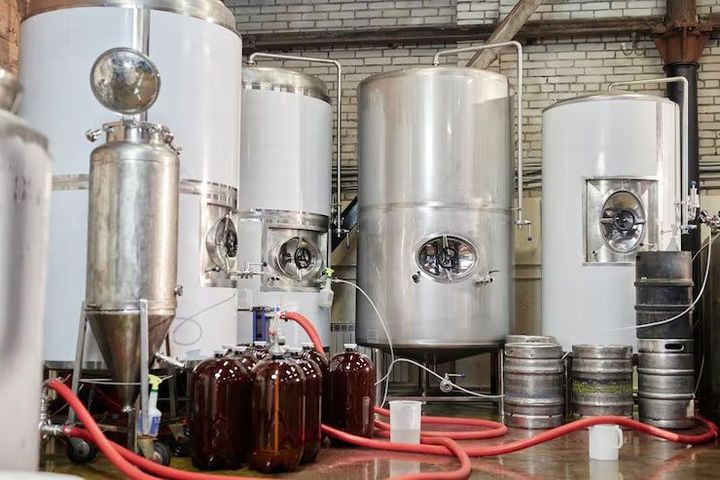
A jacketed reactor is a processing vessel designed with two layers. The inner chamber holds the material being processed, while the outer jacket circulates heating or cooling fluids such as water, steam, thermal oil, or glycol. This arrangement allows operators to control the reaction temperature throughout the manufacturing process.
The concept of jacketed reactors has been used for decades across multiple industries. As manufacturing became more advanced, temperature-sensitive reactions required equipment capable of maintaining precise conditions. Modern reactors now include digital monitoring systems, automated controls, and improved insulation to support reliable operation.
Main Components
Typical jacketed reactors include:
- Reaction vessel
- Outer heating or cooling jacket
- Agitator or mixing system
- Temperature sensors
- Pressure monitoring instruments
- Inlet and outlet connections
- Control panel
- Safety valves
The choice of construction material depends on the chemicals being processed. Stainless steel remains one of the most common materials because of its durability and corrosion resistance.
| Component | Purpose |
|---|---|
| Reactor Vessel | Holds the reaction mixture |
| Jacket | Transfers heating or cooling energy |
| Agitator | Mixes materials evenly |
| Temperature Sensor | Monitors process temperature |
| Control System | Regulates operating conditions |
| Safety Valve | Helps protect against excess pressure |
Importance
Jacketed reactors play an important role in industries that require controlled chemical reactions. Stable temperature management can improve reaction efficiency, maintain product quality, and reduce unwanted side reactions.
Industries commonly using jacketed reactors include:
- Chemical manufacturing
- Pharmaceutical production
- Food and beverage processing
- Cosmetic manufacturing
- Biotechnology
- Specialty materials production
- Research and educational laboratories
Accurate temperature regulation is especially valuable when reactions generate heat or require cooling to remain within specified operating limits. Proper mixing inside the reactor also helps distribute heat evenly throughout the vessel.
Common Applications
Jacketed reactors support a wide range of industrial processes, including:
- Mixing liquid chemicals
- Polymer production
- Fermentation processes
- Crystallization
- Extraction
- Dissolution
- Emulsion preparation
- Pilot-scale research
Their flexibility makes them suitable for both small laboratory experiments and large-scale manufacturing facilities.
Recent Updates
Between 2024 and 2026, industrial processing equipment has continued to evolve through increased automation and digital monitoring technologies. Many manufacturers have incorporated smart sensors that continuously monitor temperature, pressure, agitation speed, and other operating parameters in real time.
Industrial automation platforms are increasingly connected through Industrial Internet of Things (IIoT) technologies, allowing operators to monitor equipment remotely and analyze production performance using digital dashboards.
Energy efficiency has also become an important development. Improved insulation materials, optimized jacket designs, and more efficient heat transfer systems help reduce overall energy consumption while maintaining consistent process conditions.
Another noticeable trend is predictive maintenance. Modern monitoring systems analyze equipment performance and identify changes that may indicate future maintenance needs. This approach helps reduce unexpected downtime and supports more reliable production scheduling.
Manufacturers are also focusing on sustainable production by improving thermal efficiency, reducing emissions associated with heating systems, and designing equipment that supports cleaner manufacturing processes.
Laws or Policies
Jacketed reactors are generally operated within industrial safety frameworks established by national and international regulatory organizations. The exact requirements depend on the country, industry, operating pressure, and materials being processed.
Common areas covered by regulations include:
- Pressure vessel safety standards
- Workplace health and safety requirements
- Chemical handling regulations
- Environmental protection requirements
- Equipment inspection procedures
- Documentation and maintenance records
Many facilities follow internationally recognized engineering standards for pressure vessels and process equipment. Regular inspections, calibration of sensors, preventive maintenance, and operator training help maintain safe operating conditions.
Facilities processing pharmaceutical or food products may also follow industry-specific manufacturing guidelines that emphasize cleanliness, documentation, validation, and process consistency.
Tools and Resources
Several resources help engineers, students, and plant operators understand jacketed reactors and process equipment more effectively.
Useful resources include:
- Engineering calculation software for heat transfer analysis
- Process simulation platforms
- Temperature conversion calculators
- Material compatibility reference charts
- Chemical engineering textbooks
- Equipment operation manuals
- Industrial standards documentation
- Educational university resources
Useful calculations often performed during reactor design include:
- Heat transfer estimation
- Mixing speed calculations
- Reactor volume estimation
- Residence time calculations
- Energy balance analysis
Many educational institutions and engineering organizations also publish technical guides explaining reactor design principles, process safety, and thermal control methods.
FAQs
What is a jacketed reactor used for?
A jacketed reactor is used to control the temperature of chemical or industrial processes by circulating heating or cooling fluids through an outer jacket surrounding the reaction vessel.
Which industries commonly use jacketed reactors?
Chemical manufacturing, pharmaceuticals, food processing, cosmetics, biotechnology, specialty chemicals, and research laboratories commonly use jacketed reactors.
Why is temperature control important in a jacketed reactor?
Temperature affects reaction speed, product quality, safety, and overall process stability. Accurate control helps maintain consistent operating conditions.
What fluids circulate through the jacket?
Depending on the application, the jacket may circulate water, steam, thermal oil, glycol solutions, or other heat transfer fluids.
How are modern jacketed reactors monitored?
Many modern systems use digital sensors, programmable controllers, automated monitoring systems, and remote data collection to monitor temperature, pressure, and mixing performance.
Conclusion
Jacketed reactors remain essential equipment across many industrial sectors because they provide reliable temperature control during chemical and manufacturing processes. Advances in automation, digital monitoring, and energy-efficient design continue to improve their performance and operational reliability. Understanding how jacketed reactors function helps engineers, students, researchers, and manufacturing professionals make informed decisions about process design, safety, and equipment selection. As industrial technology continues to develop, these reactors will remain an important part of modern production systems.