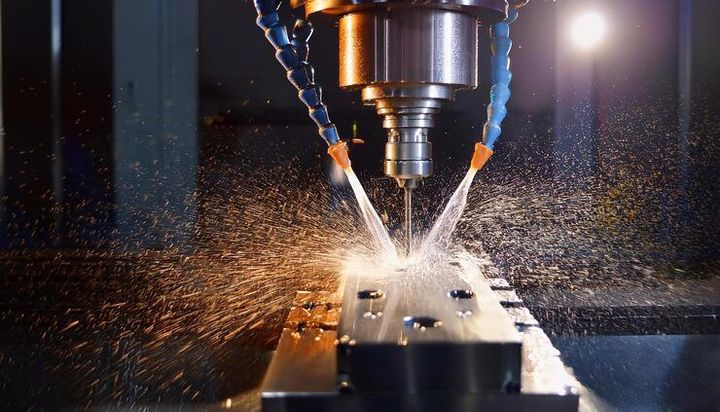
CNC Machine Details and Advanced Machining Information
CNC machine technology has transformed modern manufacturing by improving precision, speed, and consistency in production processes. From automotive parts to furniture design, CNC systems are now widely used across many industries. Technologies such as CNC Router systems, CNC Milling equipment, and CNC Lathe machines continue to evolve with digital automation and smart manufacturing tools.
The term CNC stands for Computer Numerical Control. A CNC machine uses programmed software instructions to control machinery and tools automatically. These systems can perform cutting, drilling, shaping, and finishing tasks with high accuracy. CNC Cutting methods are commonly used for metals, plastics, wood, and composite materials.
Context
What Is a CNC Machine?
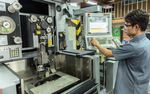
A CNC machine is a programmable manufacturing system designed to automate machining operations. The machine follows digital instructions created using computer-aided design and manufacturing software. CNC Machining reduces manual intervention and improves production consistency.
Common CNC systems include:
- CNC Router for wood, acrylic, and panel processing
- CNC Milling equipment for shaping solid materials
- CNC Lathe machines for rotating cylindrical components
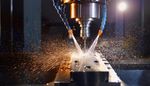
- CNC Cutting systems for precise material separation
The technology became more common during the late twentieth century as industries adopted computer-based automation. Today, CNC Automation supports manufacturing processes in aerospace, medical devices, electronics, and industrial engineering.
Main Functions of CNC Machining
CNC systems can perform many production activities, including:
- Drilling
- Engraving
- Milling
- Turning
- Cutting
- Surface finishing
Most modern CNC machine setups operate through software that converts digital models into machine-readable instructions called G-code.
Importance
Why CNC Technology Matters
CNC Machining improves production quality by reducing human error and maintaining consistent dimensions. This technology allows manufacturers to create complex parts with detailed accuracy that may be difficult through manual machining methods.
Important advantages include:
- Improved precision and repeatability
- Faster production cycles
- Reduced material waste
- Better workplace safety
- Continuous production capability
Industries that rely heavily on CNC machine technology include automotive manufacturing, aviation, healthcare equipment, electronics production, and industrial tooling.
Who Uses CNC Machines?
The following sectors commonly use CNC Automation systems:
| Industry | Common CNC Applications |
|---|---|
| Automotive | Engine parts and metal components |
| Aerospace | Aircraft structures and precision tools |
| Construction | Custom panels and structural parts |
| Medical | Surgical tools and implants |
| Furniture | Wood shaping using CNC Router systems |
| Electronics | Circuit board and enclosure production |
Small workshops and large factories both benefit from CNC Milling and CNC Cutting technologies because they support accurate and scalable production.
Recent Updates
Trends From 2024–2026
Recent developments in CNC machine technology focus on automation, artificial intelligence, and energy efficiency. Many manufacturing facilities now combine CNC Automation with robotics to improve workflow management and reduce production downtime.
Important trends include:
- AI-assisted machining optimization
- Smart sensor monitoring systems
- Cloud-connected CNC operations
- Energy-efficient spindle technology
- Hybrid additive and subtractive manufacturing
Modern CNC Milling systems increasingly support real-time performance monitoring. Operators can track machine health, tool wear, and production data through connected software platforms.
Another important development is the growth of digital twin technology. A digital twin creates a virtual simulation of a CNC machine environment, allowing engineers to test machining processes before actual production begins.
Growth of Multi-Axis Machines
Advanced CNC Lathe and CNC Milling systems now support multi-axis movement. Five-axis and seven-axis machines can create highly detailed components with fewer setup adjustments.
Benefits of multi-axis machining include:
- Better precision
- Faster production
- Reduced manual repositioning
- Improved surface quality
These systems are becoming more common in industries requiring complex engineering designs.
Laws or Policies
Governments and industry organizations regulate CNC machine operations to improve workplace safety and manufacturing quality. Different countries may follow different industrial standards, but many regulations focus on machine operation, worker safety, and environmental compliance.
Safety and Workplace Regulations
CNC machine operators usually follow safety standards related to:
- Protective equipment
- Emergency stop systems
- Electrical safety
- Ventilation and dust control
- Machine guarding
Organizations such as the International Organization for Standardization (ISO) and occupational safety authorities publish guidelines for safe CNC Automation practices.
Environmental and Energy Policies
Many manufacturing regions now encourage energy-efficient machining systems. Policies often focus on:
- Reducing industrial waste
- Improving energy management
- Limiting emissions from manufacturing operations
- Supporting sustainable production methods
Modern CNC Cutting and CNC Milling systems often include software designed to reduce unnecessary power consumption and optimize material usage.
Tools and Resources
Several software platforms and digital tools support CNC Machining operations and production planning.
Common CNC Software Tools
Popular categories of CNC software include:
- CAD software for design creation
- CAM software for machining instructions
- Machine simulation tools
- Toolpath optimization platforms
- Maintenance monitoring systems
These tools help engineers and operators prepare accurate machining instructions and improve production efficiency.
Useful CNC Resources
The following resources are commonly used in CNC Automation environments:
| Resource Type | Purpose |
| G-code Generators | Create machining instructions |
| Feed Rate Calculators | Optimize cutting performance |
| Material Databases | Reference machining properties |
| Simulation Software | Test machining operations virtually |
| Maintenance Logs | Track machine condition |
Training programs and technical documentation also help operators understand CNC Router, CNC Milling, and CNC Lathe systems more effectively.
FAQs
What does CNC stand for?
CNC stands for Computer Numerical Control. It refers to machines controlled by programmed computer instructions.
What is the difference between CNC Milling and CNC Lathe machines?
CNC Milling uses rotating cutting tools to shape stationary material, while CNC Lathe systems rotate the material itself during machining.
Which industries commonly use CNC machines?
Automotive, aerospace, medical manufacturing, furniture production, and electronics industries frequently use CNC Machining technology.
Are CNC machines fully automated?
Many CNC Automation systems operate with minimal manual input, but operators still monitor machine setup, maintenance, and quality control.
Why are multi-axis CNC machines important?
Multi-axis machines improve machining flexibility and accuracy while reducing the need for multiple setup adjustments.
Conclusion
CNC machine technology plays an important role in modern manufacturing and industrial production. Systems such as CNC Router equipment, CNC Milling machines, CNC Lathe units, and CNC Cutting tools support precise and efficient machining operations across many industries. Recent developments between 2024 and 2026 show continued growth in automation, smart monitoring, and digital manufacturing systems. As industries continue adopting advanced CNC Automation methods, machining processes are expected to become more accurate, connected, and energy efficient in the future.