Water Softener Troubleshooting: Complete Guide to Common Problems, Causes, Solutions, and Maintenance
A water softener plays an important role in reducing hard water minerals and supporting the performance of household plumbing systems and water-using appliances.
Like any water treatment equipment, however, a water softener may occasionally experience operational issues that affect its efficiency.
Understanding how to troubleshoot common water softener problems helps homeowners identify potential issues early, perform basic inspections, and maintain consistent system performance. This guide explains common symptoms, possible causes, troubleshooting methods, and preventive maintenance practices.
What Is Water Softener Troubleshooting?
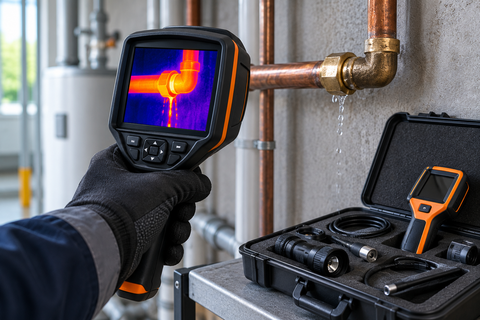
Water softener troubleshooting is the process of identifying, diagnosing, and resolving issues that affect the normal operation of a water softening system. Troubleshooting involves checking system components, inspecting water flow, evaluating regeneration cycles, and verifying that the unit is functioning as intended.
Regular troubleshooting can help detect minor issues before they become larger maintenance concerns.
Why Water Softener Troubleshooting Is Important
Routine troubleshooting offers several benefits:
- Helps maintain consistent water quality
- Supports reliable system operation
- Identifies performance issues early
- Reduces unexpected interruptions
- Improves overall water treatment efficiency
- Extends equipment lifespan
- Simplifies routine maintenance
Common Signs of Water Softener Problems
Several symptoms may indicate that a water softener requires attention.
Common signs include:
- Hard water returning
- Low water pressure
- Excessive salt consumption
- Water spots on fixtures
- Mineral buildup on faucets
- Continuous regeneration cycles
- Unusual operating noises
- Water remaining in the brine tank
- Display error messages
- Inconsistent water softness
Recognizing these symptoms early makes troubleshooting more effective.
Common Water Softener Problems and Possible Causes
Hard Water After Regeneration
Possible causes include:
- Empty salt tank
- Salt bridge formation
- Resin bed exhaustion
- Incorrect regeneration settings
- Bypass valve left open
Inspect the salt level, verify regeneration settings, and ensure the bypass valve is fully closed.
Salt Bridge Formation
A salt bridge is a hardened layer of salt that prevents proper brine production.
Possible causes:
- High humidity
- Incorrect salt type
- Moisture buildup
- Long periods without regeneration
Carefully break up the hardened salt and refill with the recommended type of salt if necessary.
Water Remaining in the Brine Tank
Possible causes include:
- Clogged drain line
- Blocked injector
- Restricted float assembly
- Malfunctioning control valve
Inspect these components and remove any visible blockages.
Low Water Pressure
Possible causes include:
- Sediment accumulation
- Dirty resin bed
- Partially closed valves
- Clogged plumbing connections
Inspect water flow throughout the system and verify that all valves are fully open.
Continuous Regeneration
Possible causes:
- Incorrect timer settings
- Control valve malfunction
- Programming errors
- Sensor issues
Review system programming and inspect the control valve for proper operation.
Excessive Salt Usage
Possible causes:
- Incorrect regeneration frequency
- Oversized settings
- Water usage changes
- Control programming errors
Adjust regeneration settings according to household water usage.
Understanding the Regeneration Process
Regeneration restores the resin bed by flushing accumulated hardness minerals and replacing them with sodium or potassium ions.
A typical regeneration cycle includes:
- Backwash
- Brine draw
- Slow rinse
- Fast rinse
- Brine refill
Understanding these stages helps identify where operational issues may occur.
Inspecting Key Water Softener Components
Resin Tank
Check for signs of damage, leakage, or reduced performance.
Brine Tank
Inspect salt levels and look for salt bridges or sediment buildup.
Control Valve
Ensure the valve operates correctly during regeneration.
Injector
Remove debris that could restrict water flow.
Drain Line
Verify that wastewater drains freely during regeneration.
Bypass Valve
Confirm that the bypass valve is in the operating position.
Routine Maintenance Checklist
Performing regular maintenance helps prevent many common problems.
Recommended tasks include:
- Check salt levels monthly.
- Clean the brine tank periodically.
- Inspect plumbing connections.
- Test water hardness.
- Verify regeneration settings.
- Clean the injector assembly.
- Inspect drain lines.
- Remove accumulated sediment if necessary.
Troubleshooting Water Quality Issues
If water quality changes unexpectedly, inspect the following:
- Salt supply
- Water hardness level
- Regeneration schedule
- Resin condition
- Water pressure
- Plumbing connections
- Control settings
These inspections can help determine whether the issue originates from the water softener or another part of the plumbing system.
Preventing Future Problems
Good maintenance habits help reduce unexpected issues.
Best practices include:
- Use the recommended type of water softener salt.
- Keep the salt tank adequately filled.
- Schedule periodic inspections.
- Maintain clean plumbing connections.
- Monitor water quality regularly.
- Follow the manufacturer's maintenance recommendations.
- Keep the installation area clean and dry.
When Additional Inspection May Be Needed
Some situations require a more detailed evaluation.
Examples include:
- Persistent hard water after multiple regeneration cycles
- Repeated system error messages
- Continuous leaks
- Control panel malfunction
- Significant water pressure changes
- Internal valve issues
Documenting symptoms can help identify recurring patterns and support a more accurate diagnosis.
Future Developments in Water Softener Technology
Modern water softeners continue to improve with smart monitoring, digital control systems, automatic diagnostics, remote notifications, leak detection, and predictive maintenance features. These technologies make troubleshooting easier by providing real-time system information and maintenance reminders.
Conclusion
Water softener troubleshooting is an important part of maintaining reliable water treatment performance. By understanding common symptoms, inspecting key system components, and following routine maintenance practices, homeowners can identify many operational issues before they become more significant. Regular inspections, proper maintenance, and timely troubleshooting help keep water softening systems operating efficiently while supporting consistent water quality throughout the home.