Optical Food Sorting Technology Explained: Modern Methods & Benefits
Optical food sorting technology uses advanced cameras, sensors, and artificial intelligence to identify and separate food products based on color, size, shape, texture, and quality. It helps improve food safety, processing efficiency, and product consistency across modern food production systems.
Optical food sorting technology has become an important part of modern food processing. It combines cameras, sensors, image analysis, and artificial intelligence to identify differences between food items. The system automatically separates products based on quality characteristics such as color, size, shape, texture, and surface defects.
Industries processing fruits, vegetables, grains, nuts, seeds, coffee beans, seafood, and packaged foods use this technology to improve consistency and reduce unwanted materials. As food quality standards continue to rise worldwide, optical sorting has become an important step in efficient food production.
What Is Optical Food Sorting Technology?
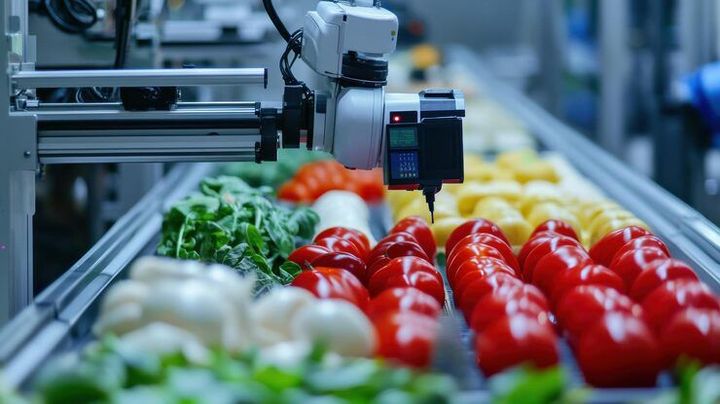
Optical food sorting technology is an automated inspection process that evaluates food items while they move through processing lines. High-speed cameras capture images, while advanced sensors analyze every product in real time.
Depending on the inspection results, air jets or mechanical systems separate products into different categories.
Common inspection factors include:
- Color variations
- Shape differences
- Surface defects
- Foreign material detection
- Size consistency
- Texture patterns
The technology was developed to improve food quality, increase processing accuracy, and support food safety throughout production.
Why Optical Food Sorting Technology Matters
Food quality expectations continue to increase across global markets. Consumers expect consistent products, while food processors must follow strict safety and quality standards.
Optical sorting helps solve several common processing challenges.
Key Benefits
| Benefit | Practical Impact |
|---|---|
| Better quality control | Improves product consistency |
| Higher processing accuracy | Reduces sorting errors |
| Improved food safety | Detects unwanted materials |
| Faster production | Supports high-volume processing |
| Reduced material waste | Separates usable products more efficiently |
Many food categories benefit from optical sorting, including:
- Rice
- Wheat
- Corn
- Coffee
- Tea
- Frozen vegetables
- Fresh fruits
- Nuts
- Seafood
- Snack ingredients
The technology also supports food safety management by identifying damaged or contaminated products before packaging.
Typical Optical Sorting Process
| Processing Step | Purpose |
| Product Feeding | Creates an even product flow |
| Image Capture | Cameras inspect every item |
| Sensor Analysis | Software evaluates quality |
| Decision Making | AI identifies acceptable products |
| Separation | Air ejectors remove selected items |
Recent Updates in Optical Food Sorting
During 2025 and early 2026, several important developments have influenced food sorting technology.
Artificial intelligence continues to improve sorting accuracy by recognizing more complex product characteristics than traditional color-based systems.
Multispectral and hyperspectral imaging has expanded beyond simple color detection. These systems can identify internal quality differences that may not be visible to standard cameras.
Machine learning software has improved continuous system calibration, allowing equipment to adapt to natural variations in food appearance.
Energy-efficient hardware has also become a growing trend as manufacturers focus on reducing electricity consumption while maintaining high inspection speeds.
Digital monitoring systems now provide real-time production data, helping facilities monitor sorting performance and quality trends more effectively.
Laws and Policies
Optical food sorting technology supports compliance with food safety regulations in many countries.
Although specific regulations vary, several common frameworks influence food processing operations.
Examples include:
- National food safety standards for processed foods
- Hazard Analysis and Critical Control Point (HACCP) principles
- Good Manufacturing Practices (GMP)
- Food traceability requirements
- Product quality inspection guidelines
- Agricultural export quality standards
Government food authorities in many regions encourage automated quality inspection systems because they help improve consistency, traceability, and food safety throughout production.
Facilities processing export products often use optical sorting to meet international quality expectations.
Tools and Resources
Several digital resources help professionals understand optical food sorting technology.
Useful resources include:
- Food quality inspection checklists
- Food safety training materials
- Processing workflow templates
- Production efficiency calculators
- Quality management software
- Machine vision learning guides
- Agricultural processing manuals
- Sensor technology educational resources
- AI image analysis learning materials
- Equipment maintenance schedules
These resources support better understanding of food processing technologies and quality management practices.
Frequently Asked Questions
How does optical food sorting work?
High-speed cameras and sensors inspect every food item while software analyzes quality characteristics. Automated systems then separate products according to predefined standards.
Which foods commonly use optical sorting?
The technology is widely used for grains, fruits, vegetables, nuts, coffee, tea, seafood, frozen foods, and processed food ingredients.
Does optical sorting improve food safety?
Yes. It helps identify foreign materials, damaged products, and quality defects, supporting safer food processing and consistent production.
What technologies are commonly used?
Modern systems may combine RGB cameras, infrared sensors, laser inspection, multispectral imaging, artificial intelligence, and machine vision software.
Is artificial intelligence important in optical sorting?
Artificial intelligence improves pattern recognition, allowing systems to identify complex quality differences more accurately while continuously improving inspection performance.
Conclusion
Optical food sorting technology has transformed modern food processing by combining cameras, sensors, and intelligent software into highly accurate inspection systems. It supports consistent food quality, improved processing efficiency, and stronger food safety practices across many industries.
As artificial intelligence, multispectral imaging, and machine vision continue to advance, optical sorting is expected to become even more accurate and adaptable. These developments will help food processors maintain high quality standards while supporting sustainable and efficient production methods for the future.
Disclaimer
This article is intended for general educational and informational purposes only. Technology features, regulations, and industry practices may differ by country, product type, and processing requirements. Readers should consult relevant food safety authorities and applicable regulations for the most current guidance.