China Manufacturing Companies Complete Guide to Global Industrial Production
China has become one of the world's largest manufacturing hubs, producing a wide range of products for domestic and international markets. From consumer electronics and industrial machinery to automotive components, textiles, and renewable energy equipment, China Manufacturing Companies contribute significantly to global supply chains.
Their manufacturing capabilities are supported by advanced production technologies, large-scale industrial infrastructure, and continuous investment in research and innovation.
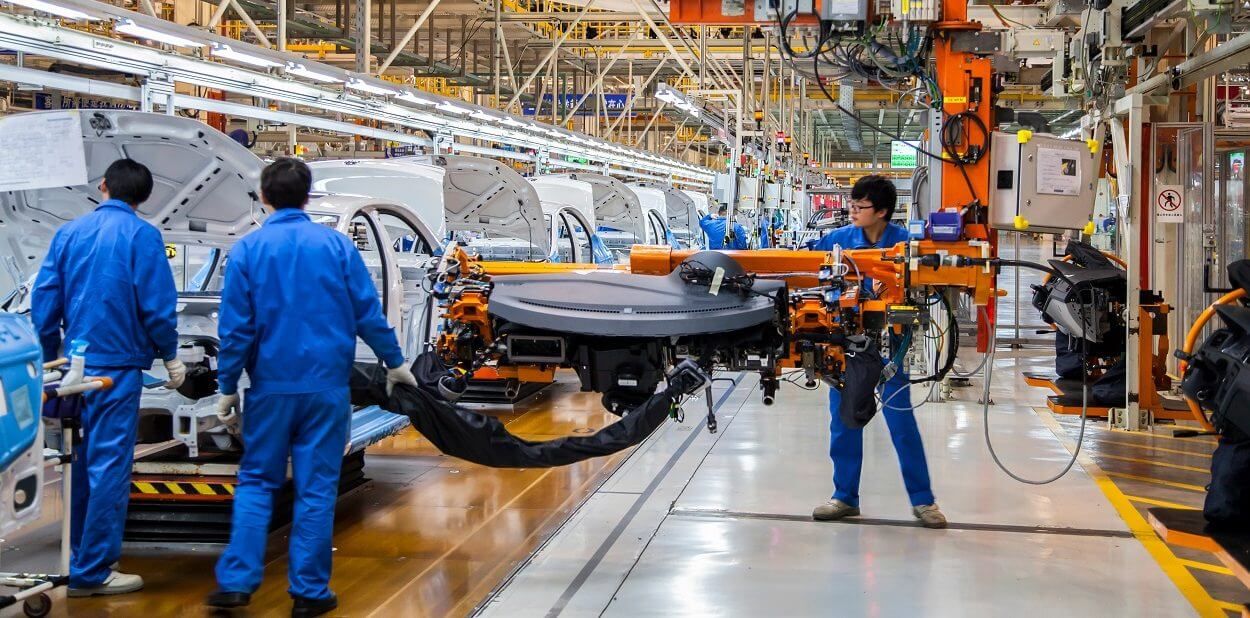
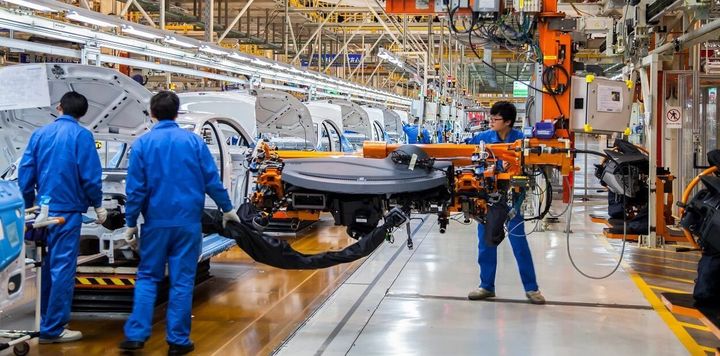
Modern manufacturing in China increasingly emphasizes automation, digital transformation, quality management, and environmentally responsible production. Smart factories, industrial robotics, and data-driven process control are helping improve efficiency while supporting consistent product quality across numerous industries.
This guide explains China Manufacturing Companies, the industries they support, manufacturing processes, quality standards, technological advancements, sustainability initiatives, and future trends shaping global industrial production.
What Are China Manufacturing Companies?
China Manufacturing Companies are organizations that design, produce, assemble, and process products across a wide range of industries. They manufacture components and finished goods for domestic use as well as international markets.
Common manufacturing sectors include:
Consumer electronics
Industrial machinery
Automotive components
Medical devices
Textiles and apparel
Home appliances
Construction materials
Renewable energy equipment
Packaging materials
Industrial chemicals
These industries support global production networks through large-scale manufacturing capabilities.
Why China Manufacturing Matters
Manufacturing plays a significant role in supporting industrial development and international trade.
China's manufacturing sector contributes by:
Producing a wide variety of industrial goods
Supporting global supply chains
Advancing production technologies
Encouraging engineering innovation
Expanding industrial automation
Supporting infrastructure development
These strengths make manufacturing an important part of the global economy.
Major Manufacturing Industries
China's industrial sector includes many specialized manufacturing areas.
Electronics Manufacturing
Factories produce components such as circuit boards, semiconductors, communication equipment, and consumer electronic devices.
Automotive Manufacturing
Production includes passenger vehicles, commercial vehicles, electric vehicles, batteries, and automotive components.
Machinery Manufacturing
Industrial machinery supports construction, agriculture, mining, packaging, and factory automation.
Renewable Energy Equipment
Manufacturing facilities produce solar panels, wind energy components, battery systems, and power management equipment.
Textile Manufacturing
Textile production includes fabrics, technical textiles, garments, and industrial textile materials.
Modern Manufacturing Processes
Production methods vary by industry but often include similar stages.
Product Design
Engineers create digital designs and technical specifications before manufacturing begins.
Material Preparation
Raw materials are inspected and prepared for production.
Component Manufacturing
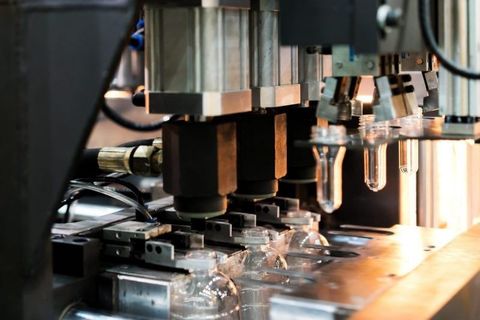
Precision machinery and automated systems produce individual components according to engineering requirements.
Assembly
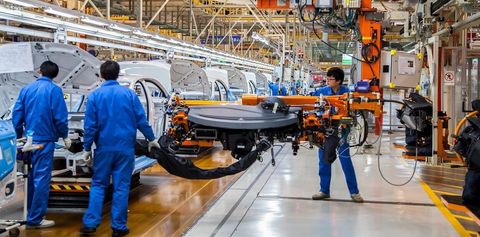
Components are assembled into completed products using manual and automated production methods.
Inspection
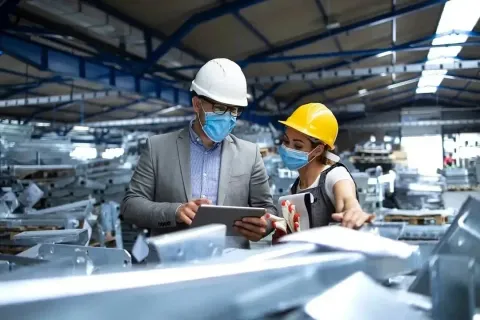
Products undergo quality checks to verify dimensions, functionality, and consistency before packaging.
Technologies Supporting Modern Manufacturing
Manufacturing companies increasingly adopt advanced technologies to improve productivity.
Examples include:
Industrial Internet of Things (IIoT)
Robotics
Artificial intelligence-assisted inspection
Computer numerical control (CNC) machining
Smart sensors
Automated material handling
Digital twins
Cloud-based production monitoring
These technologies improve operational visibility and manufacturing accuracy.
China Manufacturing Companies Overview
| Manufacturing Area | Typical Products |
|---|---|
| Electronics | Computers, communication devices, circuit boards |
| Automotive | Vehicles, batteries, components |
| Machinery | Industrial equipment and production systems |
| Renewable Energy | Solar panels and energy equipment |
| Textiles | Fabrics and technical materials |
| Chemicals | Industrial and specialty chemical products |
Quality Control
Quality management helps maintain product consistency throughout manufacturing.
Inspection activities commonly include:
Raw material verification
Dimensional measurement
Functional testing
Surface inspection
Performance evaluation
Documentation review
These procedures help confirm products meet engineering specifications and applicable standards.
Logistics and Supply Chain
Efficient logistics support the movement of materials and finished products.
Important supply chain activities include:
Inventory management
Warehouse operations
Container transportation
Distribution planning
Production scheduling
Digital tracking systems
Strong logistics networks help improve manufacturing efficiency and delivery coordination.
Sustainability in Manufacturing
Many manufacturing facilities continue adopting environmentally responsible practices.
Common initiatives include:
Energy-efficient production equipment
Resource conservation
Water recycling systems
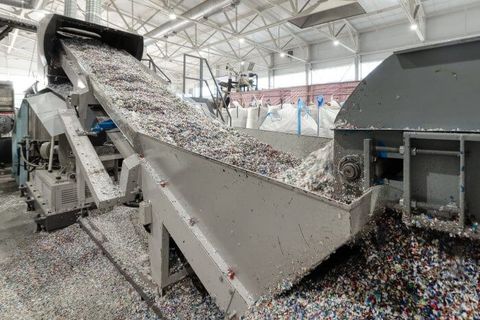
Waste reduction programs
Emissions monitoring
Increased use of renewable energy
These approaches support long-term industrial sustainability.
Current Industry Trends
Manufacturing continues evolving through innovation and digital transformation.
Recent developments include:
Smart factories
Collaborative robots
Artificial intelligence-assisted production planning
Advanced automation systems
Connected manufacturing equipment
Digital quality management
Predictive maintenance technologies
These developments improve production efficiency while supporting product consistency.
Looking Ahead
Future manufacturing is expected to feature greater automation, advanced robotics, intelligent analytics, and stronger integration of artificial intelligence throughout production processes. Continued investment in advanced materials, energy-efficient technologies, and digital manufacturing platforms is also likely to shape the next generation of industrial production.
Why Understanding China Manufacturing Companies Matters
Learning about China Manufacturing Companies helps explain how large-scale industrial production supports global markets across electronics, automotive, machinery, renewable energy, healthcare, and consumer products. Understanding manufacturing processes, quality management, logistics, and technological innovation provides valuable insight into the operation of one of the world's largest manufacturing ecosystems.
Conclusion
China Manufacturing Companies play a significant role in global industrial production by manufacturing products used across numerous industries. Through precision engineering, automation, digital technologies, quality management, and sustainable production practices, these organizations continue supporting worldwide manufacturing and supply chains. As industrial technologies continue advancing, manufacturing companies are expected to remain important contributors to global economic development and technological innovation.