Wafer Biscuit Manufacturing Process: Complete Production Guide
Learn how the wafer biscuit manufacturing process works, from ingredient preparation to packaging. This guide explains production steps, quality standards, industry trends, regulations, and useful resources in simple language.
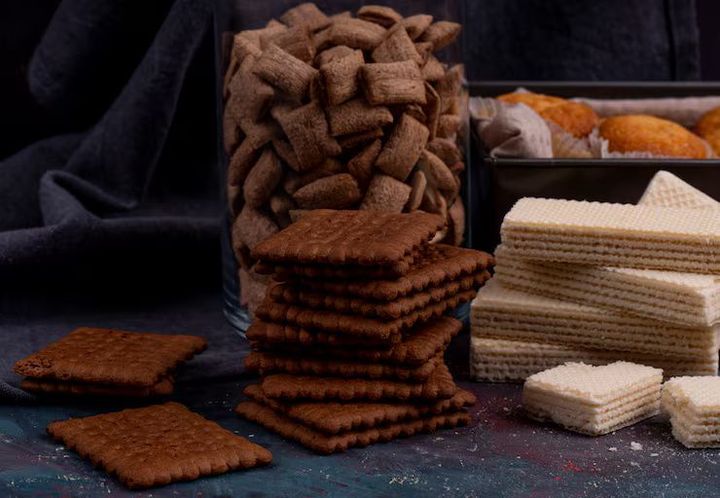
Wafer biscuits are light, crispy snacks made by baking thin sheets of batter and combining them with flavored cream layers. They are enjoyed across many countries because of their delicate texture and variety of flavors. The manufacturing process has evolved from manual production into highly automated systems that focus on consistent quality, food safety, and production efficiency.
Modern wafer biscuit production combines food processing technology, quality control practices, and automated packaging methods. Manufacturers aim to maintain uniform texture, appearance, and freshness while reducing ingredient waste and improving energy efficiency.
Importance
Why This Manufacturing Process Matters
The wafer biscuit manufacturing process plays an important role in the food processing industry. Efficient production helps maintain consistent product quality while supporting food safety requirements.
This process benefits many groups, including:
- Food manufacturers seeking consistent production.
- Packaging professionals working with shelf-life management.
- Quality assurance teams monitoring food safety.
- Engineering students learning industrial food processing.
- Entrepreneurs exploring food manufacturing knowledge.
The process also addresses common production challenges such as maintaining crispness, reducing moisture, improving production speed, and ensuring uniform cream distribution.
Typical Production Flow
| Production Stage | Main Purpose |
|---|---|
| Ingredient Preparation | Mix ingredients accurately |
| Batter Mixing | Create smooth, uniform batter |
| Wafer Sheet Baking | Produce thin crispy sheets |
| Cooling | Stabilize texture |
| Cream Preparation | Prepare filling consistency |
| Layering | Apply cream evenly |
| Cutting | Create uniform biscuit sizes |
| Quality Inspection | Verify safety and appearance |
| Packaging | Protect freshness |
Recent Updates
Industry Trends During the Past Year
Recent developments throughout 2025 and early 2026 have focused on improving production efficiency and sustainability.
Key trends include:
- Increased adoption of automated production lines for improved consistency.
- Greater use of digital sensors to monitor baking temperature and moisture.
- Improved energy-efficient baking ovens designed to reduce power consumption.
- Growing interest in recyclable and lightweight packaging materials.
- Expansion of data-driven quality monitoring systems using smart manufacturing technologies.
These developments support better production control while helping manufacturers reduce waste and improve product consistency.
Production Process Overview
Ingredients
      │
      ▼
Batter Mixing
      │
      ▼
Wafer Baking
      │
      ▼
Cooling
      │
      ▼
Cream Filling
      │
      ▼
Layer Assembly
      │
      ▼
Cutting
      │
      ▼
Quality Inspection
      │
      ▼
Packaging
Laws or Policies
Food Manufacturing Regulations
Wafer biscuit manufacturing is regulated through food safety and quality standards. While specific requirements vary by country, manufacturers generally follow frameworks covering:
- Food hygiene and sanitation practices.
- Hazard analysis and preventive food safety controls.
- Good Manufacturing Practices (GMP).
- Ingredient traceability requirements.
- Packaging and labeling standards.
- Equipment cleaning and maintenance procedures.
Many countries also encourage manufacturers to adopt internationally recognized food safety management systems to improve consumer protection and product quality.
Tools and Resources
Helpful Manufacturing Resources
Several general resources support learning and production planning.
- Production planning templates.
- Food safety checklists.
- Manufacturing efficiency calculators.
- Quality inspection forms.
- Equipment maintenance schedules.
- Inventory management software.
- Production monitoring dashboards.
- Training materials for food hygiene.
- Moisture testing guides.
- Manufacturing process flow diagrams.
These resources help improve production organization, documentation, and operational consistency.
FAQs
What ingredients are commonly used in wafer biscuits?
Most wafer biscuits contain flour, sugar, vegetable fat, water, starch, leavening agents, and flavoring ingredients. Cream filling recipes vary depending on the desired taste.
Why is cooling important after baking?
Cooling removes excess heat and moisture, allowing wafer sheets to become crisp before cream filling is applied.
How is product quality maintained?
Quality is maintained through ingredient inspection, temperature monitoring, moisture control, equipment cleaning, and regular product testing during production.
Why is packaging important?
Packaging protects wafer biscuits from moisture, physical damage, and contamination while helping preserve freshness during storage and transportation.
Can production lines be automated?
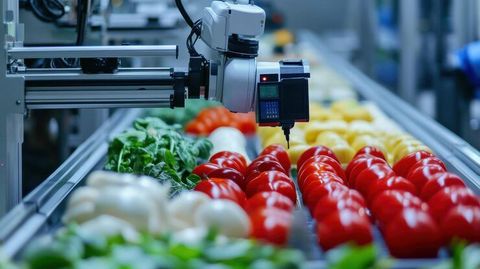
Yes. Modern manufacturing facilities increasingly use automated mixing, baking, cream spreading, cutting, inspection, and packaging systems to improve consistency and efficiency.
Conclusion
The wafer biscuit manufacturing process combines food science, automation, and quality management to produce consistent, safe, and enjoyable products. From ingredient preparation to final packaging, every production stage contributes to maintaining texture, freshness, and product quality. Recent advancements in automation, digital monitoring, and sustainable manufacturing continue to improve production efficiency while supporting food safety standards. Understanding these manufacturing principles provides valuable knowledge for students, professionals, and anyone interested in modern food processing.
Disclaimer
This article is intended for educational and informational purposes only. Manufacturing practices, food regulations, and production technologies may vary by country and industry standards. Readers should consult applicable regulatory guidelines and qualified food manufacturing professionals for technical or compliance-related requirements.