Billet Casting Machines Insights for Continuous Casting Technology
Billet casting machines are industrial systems used to produce metal billets, which are solid, semi-finished pieces of metal with a square or round cross-section. These billets are essential raw materials for manufacturing products such as steel bars, rods, wire, pipes, structural components.
The development of billet casting machines is closely linked to the evolution of continuous casting technology. Before continuous casting became widely adopted, molten metal was poured into individual molds, cooled, and then prepared for further processing. Modern billet casting machines simplify this process by continuously transforming molten metal into solid billets with consistent dimensions.
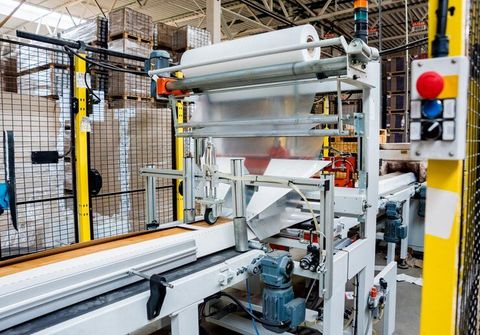
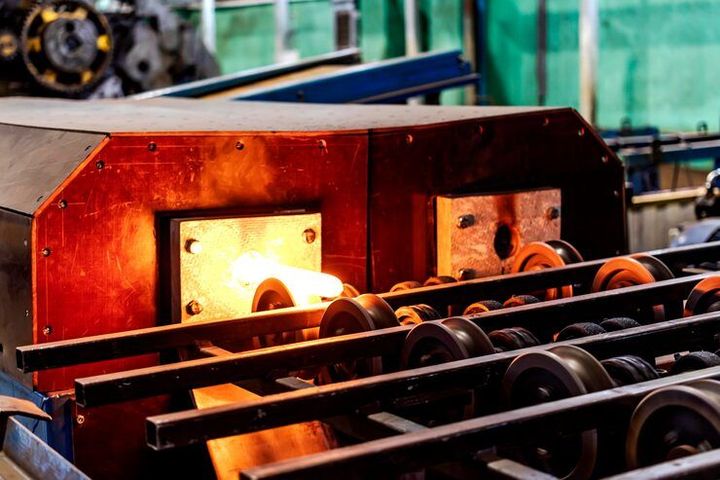
These machines operate by transferring molten metal from a furnace or ladle into a water-cooled mold. As the metal solidifies, it is continuously withdrawn, cooled further, straightened if necessary, and cut into predetermined lengths. This continuous production process supports improved material consistency and efficient manufacturing operations.
Billet casting machines are used for various metals, including carbon steel, alloy steel, stainless steel, and certain non-ferrous metals. Their design may differ depending on production capacity, billet dimensions, and the type of metal being processed.
Importance
Billet casting machines play a significant role in modern metal manufacturing because they create the starting material for numerous industries. Construction, transportation, machinery manufacturing, energy, infrastructure, and consumer goods all depend on metal products that often begin as cast billets.
Consistent Material Quality
One important benefit is the ability to produce billets with relatively uniform dimensions and internal structure. Consistency helps downstream manufacturing processes such as rolling, forging, and extrusion operate more efficiently.
Efficient Production
Continuous casting reduces the number of processing stages compared with traditional ingot casting. This allows manufacturing facilities to maintain steady production while reducing interruptions between batches.
Material Utilization
Modern billet casting machines are designed to improve the use of molten metal during production. Better material utilization contributes to reduced waste and supports more efficient manufacturing practices.
Industrial Applications
Billets produced by these machines are commonly transformed into:
- Reinforcing bars for construction
- Steel wire products
- Seamless and welded pipes
- Mechanical shafts
- Railway components
- Automotive parts
- Industrial fasteners
- Structural steel sections
Support for Manufacturing
Many manufacturing sectors rely on a stable supply of billets with predictable properties. Billet casting machines help maintain production continuity by supplying standardized semi-finished materials for further processing.
Recent Updates
Manufacturing technology continues to evolve, and billet casting machines have gradually incorporated digital systems, automation, and process monitoring. Between 2024 and 2026, the general direction of development has focused on improving efficiency, production monitoring, and environmental performance.
Digital Monitoring
Modern systems increasingly include digital sensors that monitor temperatures, mold conditions, cooling water flow, casting speed, and production stability. These measurements help operators identify changes during casting.
Automation
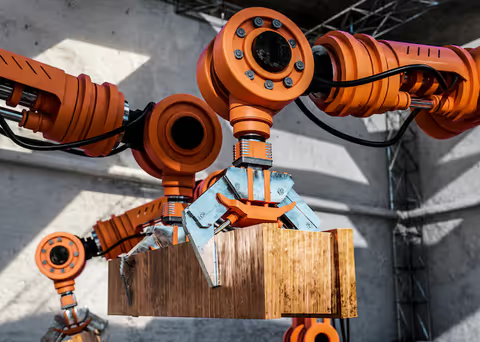
Automation has become more common in billet casting operations. Automated controls assist with maintaining casting speed, mold level control, cutting operations, and production sequencing.
Data Analysis
Many manufacturing facilities now use production data to evaluate equipment performance. Data analysis can assist in identifying maintenance requirements, improving process consistency, and reducing production interruptions.
Energy Efficiency
Equipment manufacturers continue to improve cooling systems, hydraulic systems, and electrical components to support more efficient energy usage during casting operations.
Improved Cooling Technologies
Secondary cooling systems have evolved to provide more controlled cooling patterns. Improved cooling contributes to better surface quality and dimensional consistency in cast billets.
Integration with Smart Manufacturing
Billet casting machines are increasingly connected with broader manufacturing management systems. Production information may be integrated with quality control, inventory management, and maintenance planning platforms.
Laws or Policies
Billet casting machines operate within industrial environments that are governed by manufacturing regulations, workplace safety standards, and environmental requirements. The exact regulations depend on the country where production takes place.
Workplace Safety
Industrial facilities generally follow occupational safety regulations covering:
- Personal protective equipment
- Heat protection
- Machinery guarding
- Emergency procedures
- Employee training
- Equipment inspection
These measures help reduce workplace risks associated with high-temperature metal processing.
Environmental Regulations
Metal production facilities are commonly required to manage:
- Air emissions
- Water discharge
- Industrial waste
- Noise levels
- Energy consumption
Environmental authorities may establish limits and reporting requirements for industrial operations.
Product Quality Standards
Manufacturers often follow internationally recognized quality standards that define material composition, dimensional tolerances, and testing methods for steel billets used in various applications.
Equipment Compliance
Industrial machinery may also need to comply with electrical safety requirements, pressure equipment regulations, and machinery standards established by national authorities.
Tools and Resources
Several tools and resources assist manufacturers, engineers, and production planners working with billet casting machines.
| Tool or Resource | Purpose |
|---|---|
| Production Monitoring Software | Tracks casting speed, temperature, and production data |
| Computer-Aided Design (CAD) Software | Assists in equipment and component design |
| Manufacturing Execution Systems (MES) | Coordinates production activities |
| Enterprise Resource Planning (ERP) Platforms | Organizes inventory and production planning |
| Metallurgical Simulation Software | Models solidification and casting processes |
| Quality Inspection Systems | Evaluates billet dimensions and surface condition |
| Industrial Maintenance Software | Schedules inspections and equipment maintenance |
| International Standards Documentation | Provides manufacturing and quality guidance |
Measurement Equipment
Production facilities frequently use specialized measurement equipment, including:
- Infrared temperature instruments
- Laser measurement systems
- Ultrasonic inspection equipment
- Surface inspection cameras
- Chemical composition analyzers
Educational Resources
Universities, engineering institutions, metallurgy organizations, and manufacturing publications provide educational material related to continuous casting technology, steel production, and industrial manufacturing processes.
FAQs
What are billet casting machines?
Billet casting machines are industrial systems that continuously transform molten metal into solid billets. These billets become raw materials for manufacturing products such as steel bars, pipes, wire, and structural components.
How do billet casting machines work?
Billet casting machines pour molten metal into a water-cooled mold where the outer shell solidifies. The partially solid billet continues moving through cooling zones until it becomes fully solid before being cut into specific lengths.
Which industries commonly use billet casting machines?
Construction, automotive manufacturing, machinery production, railway infrastructure, energy, shipbuilding, and metal processing industries commonly depend on billets produced by billet casting machines.
What materials can billet casting machines process?
These machines commonly process carbon steel, alloy steel, stainless steel, and certain non-ferrous metals. The equipment configuration depends on the material characteristics and production requirements.
Why is continuous casting important in billet production?
Continuous casting provides a consistent method of producing semi-finished metal products. It supports stable production, uniform billet dimensions, and improved manufacturing efficiency compared with traditional ingot casting methods.
Conclusion
Billet casting machines are an essential part of modern metal manufacturing because they transform molten metal into standardized billets used across numerous industries. Advances in automation, digital monitoring, and process control continue to shape the development of these systems. Manufacturing regulations, workplace safety requirements, and environmental policies also influence how billet casting operations are managed. Understanding how billet casting machines function provides useful insight into one of the foundational processes behind modern industrial production.