Basics of Mechanical Power Press Systems and Production Processes
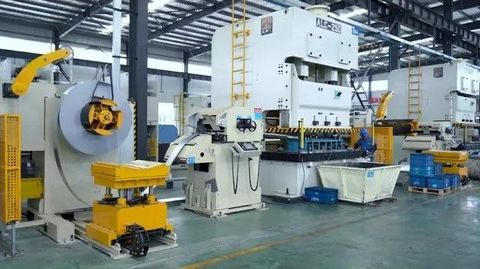
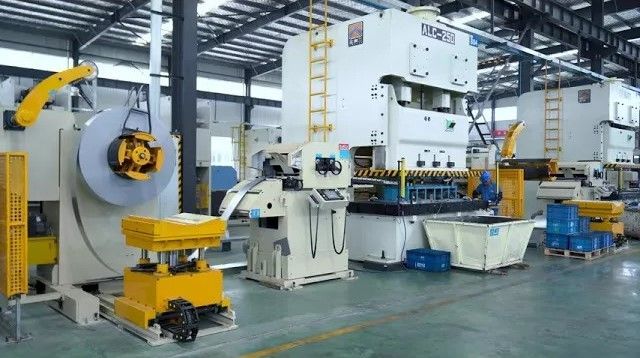
A mechanical power press is an industrial machine designed to shape, cut, punch, bend, or form metal sheets and components using mechanical force. It converts rotational energy from a motor into controlled pressing movement through a crankshaft, flywheel, and connecting mechanisms.
These machines are widely used in manufacturing environments where accurate and repeatable metal forming processes are required. Industries such as automotive, electronics, appliances, aerospace components, and metal fabrication rely on mechanical power press technology for producing various parts.
The main purpose of a mechanical power press is to apply high-force pressure in a controlled manner to transform raw metal sheets into specific shapes. It improves production consistency, supports large-scale manufacturing operations, and helps create complex metal components with precise dimensions.
Working Principle and Structure of Mechanical Power Press
A mechanical power press works by transferring energy from an electric motor to a flywheel. The stored rotational energy is converted into linear movement through mechanical components that move the ram or slide downward and upward.
The basic operating process includes:
- The motor rotates the flywheel to store energy.
- The clutch mechanism connects the flywheel movement to the crankshaft.
- The crankshaft converts rotary motion into vertical slide movement.
- The ram applies force through attached tooling.
- The die and punch system shapes the metal sheet according to the required design.
The structure of a mechanical power press generally includes a strong frame, drive system, control unit, work table, ram assembly, and safety mechanisms. Each component plays an important role in maintaining machine stability and operational accuracy.
Key Components of Mechanical Power Press Systems
Main Components and Their Functions
| Component | Function |
|---|---|
| Frame | Provides structural support and maintains machine stability |
| Flywheel | Stores rotational energy for pressing operations |
| Crankshaft | Converts rotary movement into linear motion |
| Ram or Slide | Applies force to the tooling area |
| Punch and Die | Performs cutting, shaping, and forming operations |
| Clutch and Brake System | Controls movement and stopping operations |
| Control Panel | Manages machine settings and operational commands |
Additional systems such as lubrication units, sensors, and safety guards help improve reliability and operator protection.
Types of Mechanical Power Press Machines
Mechanical power presses are available in different designs based on production requirements, material types, and forming operations.
Common Types
- C-Frame Press: A compact design suitable for smaller components and general metal forming applications.
- Straight Side Press: Provides higher rigidity and is commonly used for heavy-duty manufacturing operations.
- Single Crank Press: Uses one crankshaft system for standard pressing tasks.
- Double Crank Press: Uses two crank mechanisms for improved balance and larger working areas.
- High-Speed Press: Designed for rapid production cycles in industries requiring large quantities of small components.
The selection of a suitable press type depends on factors such as material thickness, required force, production speed, and component design.
Importance and Industrial Applications
Mechanical power presses play an important role in modern manufacturing because they provide accurate forming capabilities and consistent output. They reduce manual effort and support repeatable production processes.
Major Industrial Applications
- Automotive body panels and structural components
- Electrical equipment parts
- Appliance components
- Metal containers and housings
- Electronic device parts
- Hardware components
- Industrial machine parts
- Sheet metal assemblies
In automotive manufacturing, these machines help produce panels, brackets, and structural elements. In electronics production, they are used for creating small precision parts with accurate dimensions.
Mechanical power presses also help solve manufacturing challenges such as inconsistent shaping, slow manual processes, and difficulty producing complex metal designs.
Important Features of Modern Mechanical Power Press Systems
Modern mechanical power presses include advanced technologies that improve accuracy, safety, and operational control.
Key Features
- Programmable control systems for better process management
- Automated material feeding systems
- Digital monitoring of machine performance
- Improved safety sensors and protection systems
- Energy-efficient drive technologies
- Advanced tooling compatibility
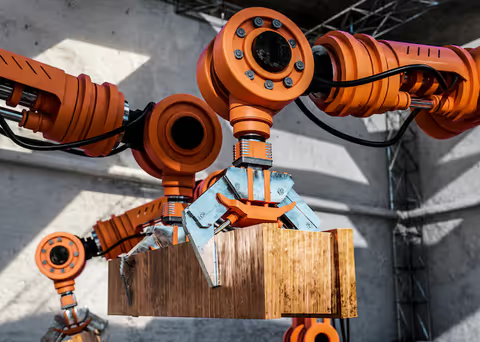
Automation integration has become an important development area. Many manufacturing facilities combine mechanical presses with robotics, sensors, and smart monitoring platforms to improve production efficiency.
Recent Trends and Developments in Mechanical Power Press Technology
During 2025 and 2026, mechanical power press technology has continued moving toward automation, digital monitoring, and improved workplace safety.
Recent developments include:
- Integration of industrial IoT systems for real-time machine data collection
- Greater use of sensors for predictive maintenance monitoring
- Improved energy management systems
- More advanced automated feeding and handling solutions
- Digital controls for faster production adjustments
Manufacturers are increasingly focusing on connected manufacturing environments where machines communicate with production management systems. These developments support better equipment monitoring and reduced operational interruptions.
Safety Practices and Industry Regulations
Mechanical power presses involve significant mechanical forces, so proper safety practices are essential. Industrial facilities generally follow established safety standards and workplace regulations to protect operators and maintain safe working conditions.
Common Safety Measures
- Installation of protective guards around moving parts
- Regular inspection of mechanical components
- Proper operator training
- Emergency stopping mechanisms
- Routine maintenance procedures
- Use of appropriate personal protective equipment
Organizations may follow guidelines from bodies such as the Occupational Safety and Health Administration (OSHA) in the United States and similar workplace safety authorities in other regions.
Standards related to machine safety, electrical protection, and industrial equipment operation help establish safer manufacturing environments. Companies should follow applicable regional regulations and equipment documentation requirements.
Tools and Learning Resources for Mechanical Power Press Knowledge
Understanding mechanical power press systems requires knowledge of mechanical engineering, manufacturing processes, and industrial automation.
Useful Learning Resources
- Mechanical engineering textbooks
- Manufacturing technology courses
- CAD and simulation software for tooling design
- Industrial automation training platforms
- Machine safety guidelines from regulatory organizations
- Technical documentation from equipment manufacturers
Common software tools used in related fields include CAD platforms for component design, simulation tools for process analysis, and industrial monitoring systems for machine performance evaluation.
Frequently Asked Questions
What is a mechanical power press used for?
A mechanical power press is used for shaping, cutting, punching, and forming metal sheets into specific components. It is widely used in manufacturing industries requiring accurate metal processing.
How does a mechanical power press generate force?
A mechanical power press generates force by converting motor-driven rotational energy into linear movement through components such as the flywheel, crankshaft, and ram assembly.
What materials can be processed using a mechanical power press?
Mechanical power presses commonly process materials such as steel, aluminum, copper, and other sheet metals. The suitable material depends on machine capacity and tooling design.
What safety features are important in mechanical power presses?
Important safety features include protective guards, emergency stop controls, safety sensors, proper machine controls, and regular inspection procedures.
How is automation changing mechanical power press technology?
Automation is improving mechanical power press systems through robotic handling, digital monitoring, sensor integration, and improved production control methods.
Conclusion
Mechanical power presses are essential industrial machines used for accurate and efficient metal forming operations. Their ability to apply controlled mechanical force makes them valuable across automotive, electronics, appliance, and fabrication industries.
Modern developments in automation, digital monitoring, and safety technologies are improving how these machines operate in advanced manufacturing environments. Understanding their structure, working principles, applications, and safety requirements helps industries select suitable solutions and maintain reliable production processes.