Explore Seafood Processing Equipment
Seafood processing equipment helps prepare, clean, sort, preserve, and package seafood safely and efficiently. This guide explains how these systems work, why they are important, recent developments, regulations, useful resources, and common questions in simple language.
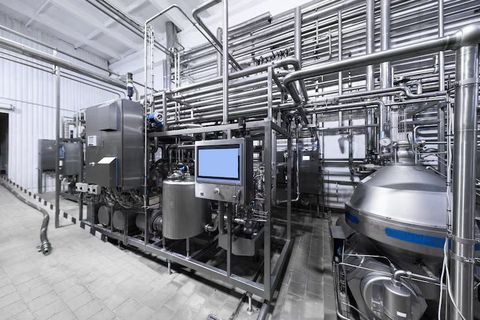
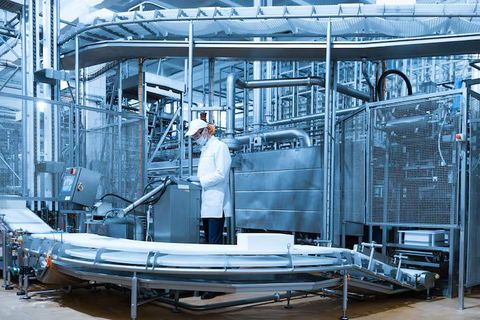
Seafood processing equipment includes machines and systems designed to prepare seafood for safe handling, storage, and distribution. These machines assist with washing, grading, sorting, filleting, peeling, trimming, freezing, packaging, and quality inspection. They are used in facilities that process fish, shrimp, crab, squid, oysters, and many other seafood products.
The seafood industry has grown significantly because consumers expect safe, fresh, and high-quality products throughout the year. Modern equipment helps maintain hygiene standards, improves consistency, and reduces manual handling during different processing stages.
The basic workflow generally follows this sequence:
| Processing Stage | Purpose |
|---|---|
| Receiving | Inspect incoming seafood |
| Cleaning | Remove dirt and impurities |
| Sorting & Grading | Separate by size or quality |
| Cutting & Filleting | Prepare seafood into required portions |
| Preservation | Chilling or freezing for freshness |
| Packaging | Protect products during storage and transport |
Importance
Why Seafood Processing Equipment Matters
Seafood is highly perishable, making careful handling essential. Processing equipment helps preserve freshness while reducing contamination risks during production.
These systems are valuable for:
- Fish processing facilities
- Seafood packaging plants
- Food safety inspectors
- Export industries
- Cold storage operations
- Quality control professionals
Key benefits include:
- Better food hygiene
- Improved product consistency
- Reduced handling errors
- Efficient production workflow
- Better temperature management
- Improved traceability during processing
As global seafood consumption continues to increase, efficient processing equipment supports reliable food supply chains while helping producers meet quality expectations.
Recent Updates
Industry Developments During the Past Year
The seafood processing industry has experienced several important developments during 2025 and early 2026.
| Trend | Industry Impact |
|---|---|
| AI-based visual inspection | Better quality detection |
| Smart sensor monitoring | Improved equipment performance |
| Energy-efficient refrigeration | Reduced energy consumption |
| Automated sorting technology | Faster production workflow |
| Digital production records | Improved traceability |
Many processing facilities have expanded the use of automated inspection systems capable of identifying defects more accurately than traditional manual inspection.
Sustainability has also become a major focus. Equipment manufacturers continue developing machines that reduce water usage and improve energy efficiency, supporting environmental goals across seafood production.
Digital monitoring systems are increasingly helping operators monitor temperatures, sanitation procedures, and equipment performance in real time.
Laws or Policies
Regulations That Influence Seafood Processing
Seafood processing equipment operates within strict food safety regulations that vary by country. Although specific requirements differ, most regulatory systems focus on similar principles.
Common regulatory areas include:
- Food hygiene standards
- Hazard analysis and critical control procedures
- Equipment sanitation requirements
- Worker safety regulations
- Environmental waste management
- Product traceability systems
Many governments also encourage seafood processors to improve sustainability through better water management, responsible waste handling, and energy-efficient technologies.
Export-oriented seafood facilities often follow internationally recognized food safety management systems that require documented cleaning procedures, equipment maintenance, and regular inspections.
Compliance with these regulations helps protect public health while supporting international seafood trade.
Tools and Resources
Helpful Learning Resources
Several resources help people understand seafood processing equipment and industry practices.
Useful learning materials include:
- Food safety checklists
- Temperature monitoring logs
- Equipment maintenance templates
- Production planning worksheets
- Seafood quality inspection guides
- Sanitation schedules
- HACCP planning documents
- Digital inventory management software
- Processing workflow diagrams
These resources help improve understanding of equipment operation, maintenance planning, food safety practices, and production efficiency.
FAQs
What is seafood processing equipment?
Seafood processing equipment includes machines used for cleaning, grading, cutting, freezing, packaging, and inspecting seafood before distribution.
Why is automation becoming common in seafood processing?
Automation improves consistency, supports food safety, reduces repetitive manual work, and increases production efficiency while maintaining product quality.
How does processing equipment improve food safety?
Modern equipment reduces unnecessary handling, maintains proper temperatures, supports sanitation procedures, and helps prevent contamination during production.
Is seafood processing equipment used for different seafood products?
Yes. Different equipment configurations are available for fish, shrimp, crab, lobster, squid, shellfish, and other seafood depending on processing requirements.
Why is equipment maintenance important?
Regular maintenance helps maintain hygiene standards, reduces unexpected downtime, improves operational reliability, and supports consistent processing quality.
Conclusion
Seafood processing equipment plays an important role in today's food industry by supporting safe, efficient, and consistent seafood preparation. From cleaning and sorting to freezing and packaging, modern processing systems help improve quality while supporting food safety standards.
Recent developments in automation, digital monitoring, artificial intelligence, and sustainable equipment continue shaping the future of seafood processing. Understanding these technologies, regulations, and operational practices helps readers appreciate how seafood reaches consumers safely while maintaining freshness and quality.
Disclaimer
This article is intended for educational and informational purposes only. Regulations, equipment specifications, and industry practices may differ between countries and processing facilities. Readers should consult applicable local food safety regulations and official guidance when evaluating seafood processing practices.