Retort Processing Systems: Modern Techniques and Best Practices
Retort processing systems play an important role in modern food preservation by improving food safety, extending shelf life, and maintaining product quality. This article explains how these systems work, current industry trends, regulations, useful resources, and best practices in simple language.
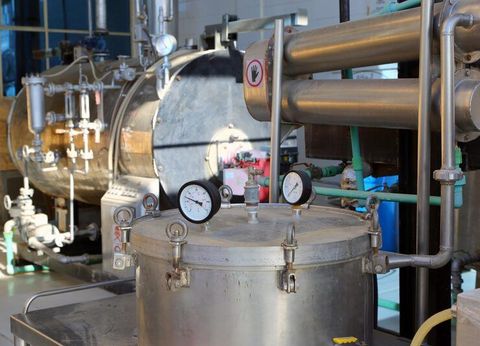
Retort processing systems are specialized food processing equipment used to preserve packaged foods through controlled heat treatment. The process destroys harmful microorganisms while keeping the food safe for long-term storage. These systems are commonly used for ready-to-eat meals, canned vegetables, soups, seafood, dairy products, sauces, and pet nutrition products.
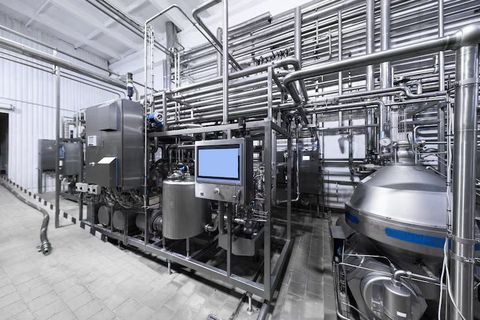
Modern food manufacturing depends on advanced thermal processing technology to achieve both food safety and consistent quality. Different processing methods, including steam retort, water spray retort, water immersion retort, and rotary retort systems, allow manufacturers to process various packaging materials while maintaining product integrity.
As consumer demand for convenient packaged foods continues to grow, retort technology has become an essential part of global food production.
Importance
Why Retort Processing Systems Matter Today
Food safety remains one of the highest priorities across the food industry. Proper thermal sterilization reduces microbial risks and helps maintain nutritional value while extending shelf life without relying heavily on refrigeration.
The technology benefits multiple sectors, including:
| Industry | Primary Purpose |
|---|---|
| Packaged Foods | Long shelf life |
| Ready-to-Eat Meals | Safe preservation |
| Dairy Products | Heat sterilization |
| Seafood Processing | Microbial control |
| Pet Nutrition | Product safety |
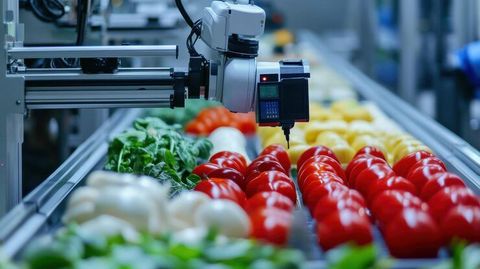
Retort processing systems also support sustainable manufacturing by reducing food waste through improved preservation. Modern automation systems monitor temperature, pressure, and processing time with high accuracy, helping maintain consistent production standards.
High-value industrial keywords naturally associated with this field include thermal processing systems, food sterilization technology, industrial food processing equipment, food safety compliance, aseptic processing, process validation, packaging integrity, quality assurance systems, industrial automation, and food manufacturing technology.
Recent Updates
Latest Industry Developments
The past year has seen continued improvements in retort processing technology.
2025: Manufacturers increasingly adopted digital monitoring systems that record temperature and pressure data in real time. These systems improve process validation and traceability.
Late 2025: Artificial intelligence and predictive maintenance tools became more common in industrial food processing facilities, helping reduce equipment downtime.
Early 2026: Greater emphasis has been placed on energy-efficient retort systems that reduce steam and water consumption while maintaining sterilization performance.
Another growing trend is the use of flexible packaging designed for retort applications. Improved packaging materials provide better durability while supporting lightweight transportation and storage.
Laws or Policies
Regulatory Requirements
Retort processing is regulated under food safety frameworks in many countries. Requirements generally focus on ensuring that thermal processing achieves commercial sterility while protecting consumer health.
Common regulatory areas include:
- Food safety management systems
- Process validation procedures
- Thermal process documentation
- Equipment calibration
- Packaging integrity verification
- Product traceability
- Hygiene and sanitation standards
Many food manufacturers also follow internationally recognized food safety management practices and hazard analysis systems to support consistent production quality and regulatory compliance.
Tools and Resources
Helpful Learning and Operational Resources
Several resources assist professionals and students in understanding retort processing systems.
Useful resources include:
- Thermal processing calculators
- Heat penetration analysis templates
- Food safety documentation checklists
- Process validation worksheets
- Packaging compatibility guides
- Temperature monitoring software
- Pressure recording systems
- Food safety training materials
- Industrial maintenance schedules
- Production quality audit templates
Process Flow Overview
| Processing Stage | Main Objective |
|---|---|
| Product Preparation | Prepare food safely |
| Packaging | Protect product quality |
| Retort Sterilization | Destroy microorganisms |
| Cooling | Preserve packaging integrity |
| Quality Inspection | Verify safety standards |
| Storage | Maintain product stability |
FAQs
What is a retort processing system?
A retort processing system is industrial equipment that sterilizes packaged food using controlled heat and pressure to improve food safety and shelf stability.
Which foods commonly use retort processing?
Ready-to-eat meals, canned vegetables, soups, sauces, seafood, dairy products, beverages, and pet nutrition products commonly undergo retort processing.
Why is temperature control important?
Accurate temperature control ensures harmful microorganisms are destroyed while helping preserve product texture, flavor, and nutritional quality.
Can different packaging materials be used?
Yes. Modern retort systems support metal cans, glass containers, flexible pouches, trays, and certain heat-resistant plastic packaging designed for thermal processing.
How do modern retort systems improve efficiency?
Advanced automation, digital monitoring, predictive maintenance, and energy-efficient processing help improve consistency, reduce resource consumption, and strengthen quality assurance.
Conclusion
Retort processing systems remain one of the most important technologies in modern food manufacturing. They help improve food safety, support long shelf life, reduce waste, and maintain consistent product quality through carefully controlled thermal processing.
Recent advances in automation, digital monitoring, energy efficiency, and intelligent process management continue to improve operational performance. As food safety regulations evolve and consumer demand for packaged foods increases, modern retort processing systems will continue to play a central role in safe and reliable food production worldwide.
Disclaimer
This article is intended for general educational purposes only. Information may vary depending on local regulations, industry standards, processing methods, and technological developments. Readers should consult applicable regulatory guidance and qualified food processing professionals for specific technical requirements.