Jump to a Chapter

Freeze Drying Machines Explained: Essential Facts & Modern Applications

Freeze Drying Machines Explained: Essential Facts & Modern Applications

Freeze drying machines preserve products by removing moisture through a low-temperature process that helps maintain quality, structure, and shelf stability. This guide explains how the technology works, where it is used, recent developments, regulatory considerations, useful resources, and frequently asked questions.


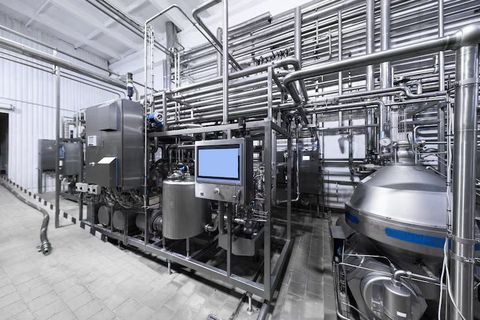
Freeze drying machines are advanced processing systems designed to remove water from frozen materials through a method called sublimation. During this process, frozen ice changes directly into vapor without becoming liquid. This helps preserve the original shape, texture, nutrients, and chemical properties of many products.

The technology was originally developed for scientific and medical preservation but has expanded into food processing, pharmaceutical manufacturing, biotechnology research, agriculture, laboratory analysis, and industrial material preservation. Modern industrial processing increasingly relies on freeze drying technology because it provides long-term stability while reducing moisture-related damage.

Many organizations use freeze drying equipment as part of quality assurance, product preservation, laboratory testing, pharmaceutical manufacturing, and food processing workflows.

Why Freeze Drying Machines Matter Today

Growing demand for long-lasting products has increased the importance of freeze drying technology across many industries. The process helps preserve delicate materials while maintaining quality standards and reducing waste.

Key advantages include:

  • Preserves nutritional value in many food products.
  • Helps maintain product structure and appearance.
  • Reduces microbial growth by removing moisture.
  • Supports pharmaceutical stability.
  • Improves storage efficiency.
  • Extends product shelf life.
  • Enables easier transportation due to reduced weight.

Industries benefiting from freeze drying include food manufacturing, biotechnology, healthcare research, agriculture, environmental science, chemical laboratories, and industrial quality control.

Common Industrial Applications

IndustryTypical Application
Food ProcessingFruits, vegetables, herbs, dairy products
Pharmaceutical ManufacturingVaccines, biological materials, medicines
BiotechnologyLaboratory samples and biological research
AgricultureSeed preservation and crop research
Chemical IndustrySensitive compounds and specialty materials
Environmental ResearchSoil, water, and biological sample preservation

Recent Developments in Freeze Drying Technology

During 2025 and early 2026, several trends have influenced freeze drying equipment development across industrial sectors.

Manufacturers continue improving energy efficiency through better refrigeration systems and optimized vacuum technology. Digital monitoring has become more common, allowing operators to track temperature, chamber pressure, moisture removal, and production cycles in real time.

Automation is also expanding. Smart sensors and programmable control systems help improve consistency while reducing manual intervention during production.

Sustainability remains another important focus. New machine designs emphasize lower energy consumption, improved insulation, and environmentally responsible refrigerants to support global environmental goals.

The pharmaceutical sector has also increased investment in advanced freeze drying technologies as biologic medicines and temperature-sensitive products continue to grow worldwide.

General Technology Comparison

FeatureConventional DryingFreeze Drying
Operating TemperatureHigherVery Low
Moisture RemovalEvaporationSublimation
Shape PreservationModerateExcellent
Nutrient RetentionModerateHigh
Shelf StabilityGoodExcellent

Laws and Regulatory Considerations

Freeze drying machines operate within regulatory frameworks that vary by country and industry. Food manufacturing facilities generally follow food safety regulations covering hygiene, equipment sanitation, and production quality.

Pharmaceutical manufacturers operate under Good Manufacturing Practice (GMP) requirements, ensuring consistent production quality and validated processing methods.

Industrial laboratories often follow quality management standards related to testing procedures, equipment calibration, and documentation.

Environmental regulations may also influence refrigeration systems, energy efficiency standards, and refrigerant selection. Many governments continue encouraging sustainable industrial equipment through updated environmental guidelines.

Organizations using freeze drying equipment typically maintain detailed documentation, quality control procedures, maintenance schedules, and operational records to support regulatory compliance.

Helpful Tools and Learning Resources

Several resources can improve understanding of freeze drying technology.

Useful examples include:

  • Moisture content calculators
  • Production planning templates
  • Equipment maintenance checklists
  • Temperature conversion tools
  • Quality assurance documentation
  • Laboratory workflow templates
  • Industrial process monitoring software
  • Technical training materials
  • Food preservation learning guides
  • Manufacturing compliance checklists

These resources help improve operational knowledge and process consistency without replacing professional expertise.

Technology Workflow

StagePurpose
FreezingSolidifies product moisture
Vacuum CreationReduces chamber pressure
SublimationRemoves frozen moisture
Secondary DryingEliminates remaining moisture
Final InspectionConfirms product quality

Frequently Asked Questions

What is a freeze drying machine?

A freeze drying machine removes moisture from frozen materials through sublimation, helping preserve their structure, quality, and stability.

Which industries commonly use freeze drying equipment?

Food processing, pharmaceutical manufacturing, biotechnology, laboratory research, agriculture, environmental science, and chemical industries frequently use this technology.

Why is freeze drying different from traditional drying?

Traditional drying removes water using heat, while freeze drying removes frozen moisture under vacuum conditions, helping maintain product quality.

Is freeze drying suitable for sensitive materials?

Yes. Many temperature-sensitive materials benefit from freeze drying because the process operates at low temperatures and minimizes structural damage.

Why is automation becoming more common?

Automation improves consistency, supports quality monitoring, reduces manual adjustments, and enhances production efficiency through digital process control.

Conclusion

Freeze drying machines have become an important part of modern manufacturing, scientific research, food preservation, and pharmaceutical production. Their ability to remove moisture while maintaining product integrity makes them valuable across numerous industries.

Ongoing improvements in automation, energy efficiency, digital monitoring, and sustainable design continue expanding the role of freeze drying technology. As industries focus on quality, safety, and long-term preservation, freeze drying remains a reliable solution for handling sensitive materials while supporting modern manufacturing standards.

Disclaimer

This article is intended for educational and informational purposes only. Regulations, technical standards, and operational requirements for freeze drying machines may vary by country, industry, and application. Readers should consult applicable regulations and qualified technical professionals when making decisions related to industrial equipment or manufacturing processes.

author-image

Riley Campbell

We turn words into experiences that inspire, inform, and captivate audiences.

July 14, 2026 . 9 min read