PCB Screen Printing Machines Explained: Explore Guide, Basics, Tips, Insights, Knowledge, Facts, and Helpful Resources
Printed Circuit Boards (PCBs) form the foundation of modern electronic devices. From smartphones and computers to industrial automation systems and medical equipment, PCBs enable electronic components to connect and function correctly. One of the most important steps in PCB manufacturing is screen printing.
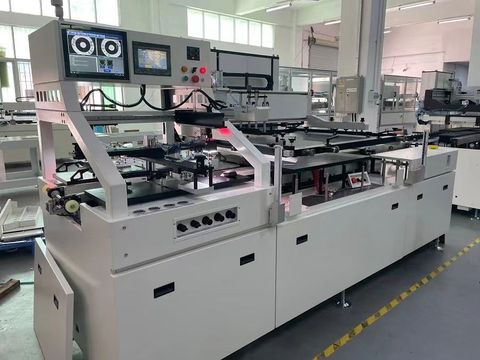
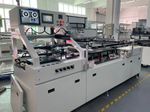
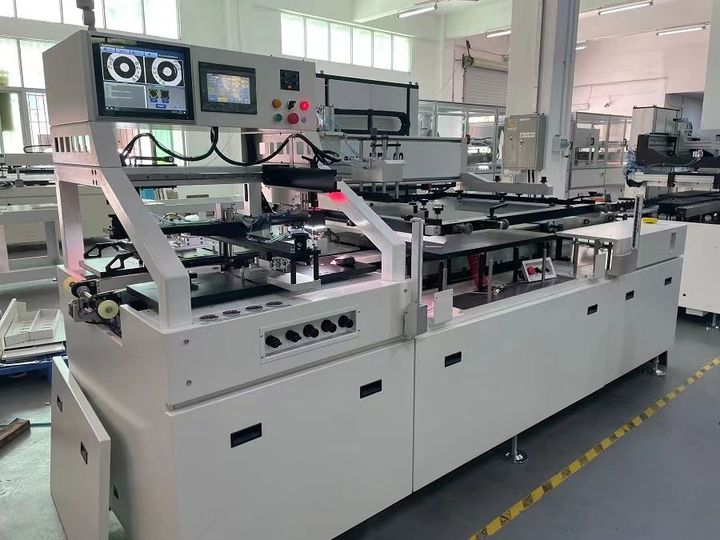
PCB screen printing machines are specialized industrial systems designed to apply solder paste, conductive ink, or other materials onto a circuit board surface with precision. These machines help create accurate patterns that support the assembly of electronic components.
The concept of screen printing in electronics emerged as manufacturers needed a reliable method to transfer precise designs onto circuit boards. As electronic products became smaller and more complex, printing accuracy became increasingly important. Modern PCB screen printing equipment uses advanced alignment technologies, automated controls, and inspection systems to maintain consistency across production environments.
Common applications include:
- Surface Mount Technology (SMT) assembly
- Semiconductor manufacturing
- Consumer electronics production
- Automotive electronics manufacturing
- Aerospace electronic systems
- Telecommunications equipment production
- Industrial control systems
Why PCB Screen Printing Machines Matter
PCB screen printing technology plays a significant role in modern electronics manufacturing because even small printing errors can affect device performance. Accurate solder paste deposition helps ensure reliable electrical connections between components and circuit boards.
Several industries depend heavily on this technology:
| Industry | Importance of PCB Screen Printing |
|---|---|
| Consumer Electronics | Supports compact device assembly |
| Automotive | Enables advanced electronic control units |
| Medical Devices | Helps maintain manufacturing precision |
| Telecommunications | Supports high-density circuit production |
| Industrial Automation | Assists with reliable electronic assemblies |
| Aerospace | Contributes to quality-focused production processes |
The technology helps address several manufacturing challenges:
- Improved printing accuracy
- Reduced material waste
- Better process consistency
- Enhanced production efficiency
- Support for miniaturized electronics
- Reduced assembly defects
- Improved product reliability
As devices continue to become smaller and more powerful, precision printing technologies become increasingly valuable throughout the electronics manufacturing sector.
Key Components of a PCB Screen Printing Machine
Understanding the major parts of a PCB screen printing machine helps explain how the process works.
Stencil System
The stencil contains openings corresponding to the desired solder paste pattern. It acts as a template that guides material placement.
Squeegee Mechanism
The squeegee moves across the stencil surface and pushes solder paste through stencil openings onto the PCB.
Vision Alignment System
Modern machines often include cameras and optical alignment technologies that ensure accurate positioning between the PCB and stencil.
Conveyor System
The conveyor transports boards through the printing process efficiently and consistently.
Control Software
Advanced software helps operators manage printing parameters, alignment settings, production data, and process monitoring.
PCB Screen Printing Workflow
The screen printing process typically follows these steps:
| Step | Description |
| Board Loading | PCB enters the machine |
| Alignment | Cameras align PCB and stencil |
| Paste Application | Solder paste placed on stencil |
| Printing | Squeegee transfers material |
| Inspection | Printed pattern checked |
| Transfer | PCB moves to next production stage |
Accurate execution of each step contributes to successful PCB assembly and overall manufacturing quality.
Recent Developments and Industry Trends
The PCB manufacturing industry has experienced several noteworthy developments during the past year as manufacturers adapt to changing technology requirements.
In 2025 and early 2026, many electronics manufacturers expanded investments in automation and smart factory technologies. Advanced screen printing machines increasingly integrate artificial intelligence, machine vision, and real-time monitoring capabilities to improve production consistency.
Several industry trends have gained attention:
- Greater adoption of Industry 4.0 manufacturing systems
- Increased use of automated optical inspection technologies
- Expansion of high-density interconnect (HDI) PCB production
- Growing demand for semiconductor packaging solutions
- Increased use of data analytics for process optimization
- Development of more precise stencil manufacturing techniques
Another notable trend is the growth of electric vehicle electronics and advanced driver-assistance systems. These applications require increasingly sophisticated circuit boards, creating demand for higher-precision PCB manufacturing equipment.
Miniaturization continues to influence equipment design. As electronic devices become smaller, manufacturers require printing systems capable of handling finer pitches and tighter tolerances.
Environmental sustainability has also become a focus area. Manufacturers continue exploring methods to improve material efficiency, reduce waste generation, and optimize production processes.
Regulatory Environment and Industry Policies
PCB manufacturing operations are influenced by various regulations, standards, and compliance requirements. These policies vary by country and region but generally focus on safety, environmental protection, and product quality.
Important regulatory areas include:
Environmental Regulations
Manufacturers often follow environmental standards related to chemical handling, waste management, and emissions control.
Electronic Product Compliance
Many electronics manufacturers align with regulations governing hazardous substances used in electronic equipment.
Examples include:
- Restriction of Hazardous Substances (RoHS) requirements
- Waste Electrical and Electronic Equipment (WEEE) frameworks
- Environmental management standards
- Industrial waste handling regulations
Quality Management Standards
PCB production facilities commonly operate under recognized quality systems such as:
- ISO 9001 Quality Management
- IPC electronic manufacturing standards
- Industry-specific quality frameworks
Workplace Safety Requirements
Industrial machinery operations are typically governed by occupational safety regulations that address:
- Equipment operation procedures
- Worker protection measures
- Machine safety controls
- Hazard communication practices
Compliance with these frameworks helps support consistent manufacturing processes and product quality outcomes.
Helpful Tools and Resources
Many tools and resources can assist individuals seeking to understand PCB screen printing technology and electronics manufacturing processes.
Engineering Software
- PCB design software
- Manufacturing simulation tools
- Process optimization platforms
- CAD engineering applications
Industry Standards Organizations
- IPC standards documentation
- ISO quality management resources
- Electronics manufacturing associations
Educational Resources
- Electronics manufacturing publications
- Technical webinars
- Engineering training materials
- Industry conference presentations
Production Monitoring Tools
- Statistical process control software
- Automated inspection platforms
- Manufacturing execution systems
- Quality tracking dashboards
Reference Resources
| Resource Type | Purpose |
| Technical Guides | Understanding manufacturing processes |
| Design References | PCB design best practices |
| Industry Reports | Market and technology insights |
| Standards Documents | Compliance guidance |
| Engineering Forums | Technical discussions |
These resources can help engineers, students, researchers, and manufacturing professionals stay informed about current developments.
Common Challenges and Practical Insights
Although PCB screen printing is a mature technology, manufacturers still encounter several challenges.
Stencil Wear
Over time, stencil performance may decline, affecting print quality and consistency.
Alignment Precision
As component sizes decrease, maintaining accurate alignment becomes increasingly important.
Paste Control
Material characteristics can influence printing results and process stability.
Environmental Conditions
Temperature and humidity can affect printing performance and material behavior.
Practical considerations often include:
- Regular equipment calibration
- Consistent process monitoring
- Preventive maintenance programs
- Operator training initiatives
- Inspection and verification procedures
Careful management of these factors can contribute to improved production outcomes.
Frequently Asked Questions
What is a PCB screen printing machine?
A PCB screen printing machine is industrial equipment used to apply solder paste or conductive materials onto printed circuit boards before electronic component assembly.
Why is solder paste printing important?
Solder paste printing helps create electrical and mechanical connections between components and the PCB. Accurate printing supports reliable assembly processes.
What industries use PCB screen printing machines?
Industries including consumer electronics, automotive manufacturing, aerospace, telecommunications, medical technology, and industrial automation commonly use PCB screen printing systems.
What is the difference between manual and automated PCB printing?
Manual systems require more operator involvement, while automated systems use advanced alignment, inspection, and control technologies to improve consistency and efficiency.
How do modern machines improve printing accuracy?
Modern machines often use camera-based alignment systems, automated inspection technologies, precision motion controls, and software-driven process management to enhance accuracy.
Are PCB screen printing machines part of Industry 4.0 manufacturing?
Yes. Many modern systems support Industry 4.0 initiatives through connectivity, data collection, process monitoring, automation, and analytics integration.
Conclusion
PCB screen printing machines play a vital role in electronics manufacturing by enabling accurate material deposition on printed circuit boards. Their importance continues to grow as electronic devices become more compact, powerful, and sophisticated.
Advances in automation, machine vision, artificial intelligence, and smart manufacturing technologies are shaping the future of PCB production. At the same time, quality standards, environmental regulations, and workplace safety requirements continue to influence manufacturing practices worldwide.
Whether viewed from an engineering, educational, or industrial perspective, understanding PCB screen printing technology provides valuable insight into one of the core processes that support modern electronics manufacturing. As innovation continues across sectors such as automotive electronics, telecommunications, semiconductor packaging, and industrial automation, PCB screen printing remains a foundational technology within the global electronics ecosystem.