Snack Frying Machines Guide: Types, Working Process & Industrial Applications
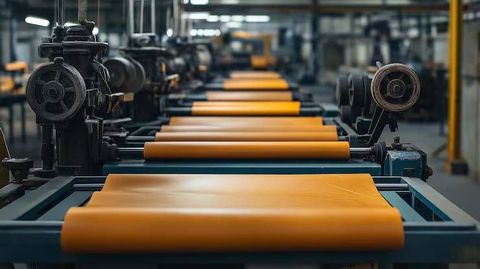
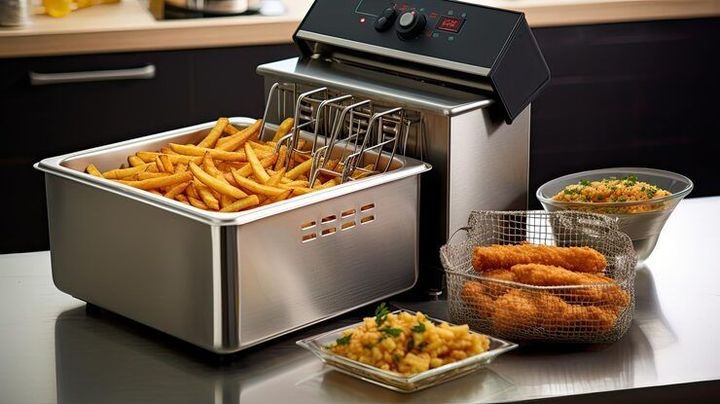
Snack frying machines are industrial food processing equipment designed to fry various snack products efficiently while maintaining consistent quality. They are commonly used in food manufacturing facilities to prepare potato chips, banana chips, corn snacks, namkeen, pellets, extruded snacks, and many other fried food products.
The demand for packaged snack foods has increased significantly over the past decade. Consumers expect products with consistent taste, texture, and appearance, making automated frying equipment an important part of modern food processing. Snack frying machines help manufacturers maintain production efficiency while improving product uniformity and reducing manual handling.
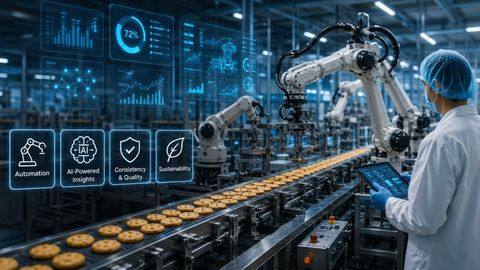
Unlike traditional frying methods, industrial frying machines are designed to maintain controlled frying temperatures, continuous oil circulation, and automated product movement. These features improve production consistency and support food safety standards.
Modern snack frying equipment also includes filtration systems, temperature monitoring, and automated controls that help optimize frying performance. These technologies allow manufacturers to process different types of snacks while maintaining quality throughout production.
Importance
Snack frying machines have become an essential component of today's food manufacturing industry because they improve production efficiency and product consistency.
The growing demand for ready-to-eat snacks across many countries has encouraged food manufacturers to adopt automated processing equipment. Consumers expect snacks with uniform color, crispness, and flavor, making controlled frying processes increasingly important.
Some major benefits include:
- Consistent frying temperature throughout production
- Improved product quality and texture
- Better production efficiency
- Reduced manual intervention
- Uniform cooking results
- Improved oil circulation
- Enhanced process monitoring
- Support for large-scale food manufacturing
Industries that commonly use snack frying machines include:
| Industry | Common Applications |
|---|---|
| Food Manufacturing | Potato chips, banana chips, pellets |
| Snack Processing | Namkeen, extruded snacks |
| Agricultural Processing | Root vegetables and specialty crops |
| Ready-to-Eat Food Production | Packaged snack foods |
| Commercial Food Processing | Continuous batch production |
From an industrial automation perspective, snack frying machines also contribute to better production planning, improved process control, and more consistent manufacturing outcomes.
Because food safety remains a major priority worldwide, automated frying systems help manufacturers maintain stable processing conditions while supporting quality management practices.
Types of Snack Frying Machines
Several types of snack frying machines are available depending on production requirements and product characteristics.
Batch Frying Machines
Batch frying machines process one batch of products at a time. They are commonly used for moderate production volumes and products requiring flexible processing conditions.
Typical applications include:
- Potato chips
- Banana chips
- Vegetable chips
- Traditional fried snacks
Continuous Frying Machines
Continuous frying machines move products automatically through heated oil using conveyor systems.
These machines are suitable for:
- High-volume production
- Continuous manufacturing
- Large food processing facilities
- Automated production lines
Vacuum Frying Machines
Vacuum frying machines operate under reduced pressure, allowing products to fry at lower temperatures.
They are often used for:
- Fruit chips
- Vegetable snacks
- Specialty food products
- Heat-sensitive ingredients
Electric Frying Machines
Electric heating systems provide controlled temperature management and are commonly used where electric power is preferred.
Gas-Heated Frying Machines
Gas heating systems are widely used in industrial food processing because they provide rapid heating and efficient thermal performance for continuous production.
Working Process
Snack frying machines follow a carefully controlled production process that helps maintain product consistency.
The typical workflow includes:
| Production Stage | Purpose |
| Raw Material Preparation | Cleaning and slicing products |
| Feeding System | Product enters frying equipment |
| Temperature Control | Oil reaches required frying temperature |
| Frying Process | Product cooks evenly |
| Oil Filtration | Removes food particles from oil |
| Oil Draining | Excess oil is removed |
| Cooling Process | Product temperature is reduced |
| Packaging Preparation | Snack moves to the next production stage |
Throughout the process, automated sensors monitor temperature, product movement, and oil circulation to improve operational consistency.
Industrial Applications
Snack frying machines support a wide variety of food processing industries.
Common industrial applications include:
- Potato chip manufacturing
- Corn snack production
- Extruded snack processing
- Banana chip manufacturing
- Cassava chip production
- Namkeen manufacturing
- Peanut processing
- Vegetable chip production
- Rice snack production
- Multi-grain snack manufacturing
Many production facilities integrate frying equipment with washing, slicing, seasoning, cooling, and packaging systems to create complete processing lines.
Automation also helps improve production planning and supports consistent product quality across multiple manufacturing batches.
Recent Updates
The snack processing industry has experienced several technological developments during 2025 and early 2026.
Manufacturers are increasingly adopting digital automation to improve equipment monitoring and production efficiency. Smart control panels now provide better temperature regulation and process visibility.
Energy-efficient heating systems have become more common as manufacturers focus on reducing energy consumption while maintaining production performance.
Oil filtration technology has also improved, allowing longer operational periods between maintenance cycles and supporting cleaner frying conditions.
Many modern machines now include programmable control systems that simplify production management and improve process consistency.
Food manufacturers are also placing greater emphasis on hygienic equipment design to support easier cleaning and compliance with food safety practices.
Another important trend is predictive maintenance, where sensors monitor equipment performance and help identify maintenance requirements before unexpected downtime occurs.
These developments continue to improve production efficiency while supporting better quality management across food processing facilities.
Laws or Policies
Snack frying machines operate within food manufacturing environments that are typically governed by food safety regulations.
Although specific requirements vary between countries, common regulatory areas include:
- Food hygiene standards
- Equipment sanitation requirements
- Worker safety regulations
- Electrical safety standards
- Manufacturing quality systems
- Environmental management practices
- Waste oil disposal guidelines
Food processing facilities often implement documented quality management procedures to support consistent manufacturing practices.
Many countries also encourage food manufacturers to follow internationally recognized food safety frameworks that promote hygiene, traceability, and quality assurance throughout production.
Regular equipment inspection, proper maintenance, and operator training contribute to safe manufacturing environments and reliable food production.
Tools and Resources
Several general tools and resources help improve snack frying operations and production management.
Useful resources include:
- Production planning templates
- Temperature monitoring systems
- Equipment maintenance checklists
- Oil quality monitoring tools
- Process documentation templates
- Food safety inspection checklists
- Production efficiency calculators
- Energy consumption calculators
- Preventive maintenance schedules
- Digital inventory management systems
- Industrial process monitoring software
- Quality control documentation templates
These resources support better planning, equipment monitoring, operational efficiency, and consistent production practices.
Frequently Asked Questions
What is a snack frying machine?
A snack frying machine is industrial food processing equipment designed to fry snack products under controlled temperature conditions while maintaining consistent product quality.
Which snacks can be produced using these machines?
They are commonly used for potato chips, banana chips, vegetable chips, corn snacks, pellets, namkeen, peanut products, cassava chips, and many other fried snack varieties.
What is the difference between batch and continuous frying machines?
Batch machines process one production cycle at a time, while continuous machines move products through the fryer automatically for uninterrupted production.
Why is temperature control important during frying?
Proper temperature control helps produce uniform color, texture, crispness, and cooking quality while supporting efficient production.
What factors should manufacturers consider when selecting frying equipment?
Important considerations include production capacity, product type, heating method, automation level, maintenance requirements, energy efficiency, and food safety features.
Conclusion
Snack frying machines have become an essential part of modern food manufacturing by supporting efficient, consistent, and controlled snack production. Their ability to maintain stable frying temperatures, automate product movement, and improve process monitoring makes them valuable equipment for many industrial food processing applications.