Slotting Machines Guide: Types, Working Principle, and Industrial Applications
Slotting machines are specialized machine tools designed to create slots, grooves, keyways, internal profiles, and various precision shapes in metal and other engineering materials. These machines operate using a vertically moving cutting tool that removes material in small amounts until the desired shape is achieved.
The development of slotting machines became important as manufacturing industries required greater precision and consistency in machining operations. Before automated equipment became common, producing internal grooves and keyways required significant manual effort. Slotting machines helped improve machining accuracy while reducing production errors.
Today, slotting machines remain valuable in industries that require precision machining of internal and external components. Although modern CNC technology has expanded machining capabilities, conventional and CNC slotting machines continue to play an important role in manufacturing processes where specialized slotting operations are required.
Industries such as automotive manufacturing, industrial equipment production, power generation, aerospace engineering, heavy engineering, and tool manufacturing commonly use slotting machines for precision work.
Importance
Slotting machines continue to be important because many industrial components require accurately machined slots, grooves, splines, and internal profiles. These features help mechanical parts fit together correctly and improve operational performance.
The increasing demand for precision engineering has made machining accuracy more important than ever. Slotting machines provide consistent results while helping manufacturers maintain quality standards across production processes.
Some key reasons why slotting machines remain valuable include:
- High machining precision
- Smooth internal slot creation
- Accurate keyway machining
- Better dimensional consistency
- Suitable for complex internal profiles
- Reliable finishing quality
- Improved production efficiency
- Compatibility with different engineering materials
These machines are widely used for manufacturing gears, pulleys, couplings, dies, molds, machine components, industrial tools, valves, and mechanical assemblies.
As industries continue adopting advanced manufacturing methods, slotting machines are increasingly integrated with digital controls and automation to improve productivity and machining consistency.
Types of Slotting Machines
Different manufacturing applications require different slotting machine designs. The most common types include:
Vertical Slotting Machine
This is the most widely used design. The cutting tool moves vertically while the workpiece remains securely clamped on the machine table. It is suitable for internal slots, keyways, and precision grooves.
Precision Slotting Machine
Precision slotting machines are designed for high-accuracy machining where dimensional tolerances are critical. These machines are commonly used in tool rooms and precision manufacturing facilities.
Heavy-Duty Slotting Machine
Heavy-duty models are built for machining large industrial components made from stronger engineering materials. They provide greater rigidity and cutting capacity.
Production Slotting Machine
These machines are intended for continuous industrial production where similar components require repeated machining with consistent quality.
CNC Slotting Machine
Computer Numerical Control (CNC) slotting machines use digital programming to control cutting operations. They improve repeatability, machining accuracy, and production efficiency while supporting more complex machining operations.
Working Principle
A slotting machine operates using a single-point cutting tool that moves in a vertical reciprocating motion.
The cutting process generally follows these steps:
- The workpiece is firmly clamped on the machine table.
- The cutting tool is positioned according to machining requirements.
- The ram moves vertically during each stroke.
- Material is removed during the cutting stroke.
- The return stroke prepares the tool for the next cut.
- The workpiece gradually feeds toward the cutting tool until machining is completed.
- Final dimensions are checked to ensure accuracy.
Proper tool alignment, controlled cutting speed, feed rate, and workpiece stability all contribute to achieving accurate machining results.
Industrial Applications
Slotting machines support numerous manufacturing industries where precision machining is essential.
Common industrial applications include:
| Industry | Typical Applications |
|---|---|
| Automotive Manufacturing | Keyways, gears, transmission components |
| Aerospace Engineering | Precision internal profiles and mechanical parts |
| Heavy Engineering | Machine frames and industrial assemblies |
| Tool Manufacturing | Dies, molds, cutting tools |
| Industrial Equipment | Pumps, valves, couplings |
| Energy Sector | Turbine components and rotating equipment |
| Metal Fabrication | Grooves, splines, internal slots |
| Mechanical Engineering | Precision engineering components |
These applications demonstrate the versatility of slotting machines across modern industrial manufacturing.
Advantages of Slotting Machines
Slotting machines provide several operational advantages, including:
- High machining accuracy
- Excellent surface finish
- Reliable internal machining capability
- Suitable for various engineering materials
- Consistent dimensional precision
- Reduced manual machining effort
- Flexible machining operations
- Long operational life with proper maintenance
These benefits make slotting machines suitable for precision manufacturing environments.
Recent Updates
Manufacturing technology has continued to evolve throughout 2025 and 2026, bringing several improvements to slotting machine technology.
Recent developments include:
- Increased adoption of CNC-controlled slotting systems for higher machining accuracy.
- Greater integration of digital monitoring technologies that help track machine performance.
- Improved cutting tool materials that enhance machining efficiency and tool life.
- Better energy-efficient machine designs that reduce overall power consumption.
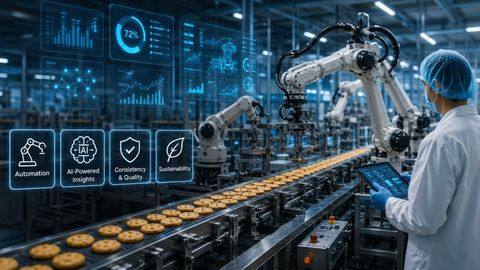
- Expansion of Industry 4.0 practices where machining equipment communicates with production monitoring systems.
- Enhanced automation features that improve production consistency while reducing manual intervention.
- Growing use of predictive maintenance techniques that help identify maintenance requirements before unexpected downtime occurs.
These developments support improved manufacturing productivity while maintaining high machining quality.
Laws or Policies
The use of slotting machines is generally influenced by industrial safety regulations, workplace standards, and manufacturing quality frameworks rather than machine-specific legislation.
Important regulatory areas include:
- Workplace safety requirements for machine operation.
- Occupational health standards for operator protection.
- Machine guarding requirements to reduce operational risks.
- Industrial electrical safety regulations.
- Environmental guidelines regarding noise, lubrication, and waste management.
- Quality management systems that encourage standardized manufacturing practices.
- Equipment maintenance documentation required by many industrial facilities.
Organizations operating slotting machines typically establish operating procedures, maintenance schedules, and safety training programs to support regulatory compliance and workplace safety.
Tools and Resources
Various resources help operators, engineers, and manufacturing professionals improve slotting machine knowledge and machining efficiency.
Useful resources include:
- Engineering calculation worksheets
- Cutting parameter calculators
- Machine maintenance checklists
- Production planning templates
- Preventive maintenance schedules
- CAD drawing software
- CAM programming tools
- CNC simulation software
- Industrial safety inspection forms
- Technical training materials
- Manufacturing process documentation
- Quality inspection templates
These resources assist in planning machining operations, maintaining equipment performance, and supporting manufacturing quality.
Frequently Asked Questions
What is a slotting machine used for?
A slotting machine is used to produce slots, grooves, keyways, splines, internal profiles, and other precision machining features on engineering components.
What materials can be machined using a slotting machine?
Slotting machines can machine various engineering materials, including steel, cast iron, aluminum, brass, bronze, and certain non-ferrous metals, depending on the cutting tool used.
What is the difference between a slotting machine and a shaping machine?
A slotting machine uses vertical reciprocating motion, while a shaping machine uses horizontal reciprocating motion. Both remove material using a single-point cutting tool but are suited to different machining tasks.
Why are CNC slotting machines becoming more common?
CNC slotting machines improve machining precision, repeatability, production consistency, and automation while supporting more complex machining operations.
Which industries commonly use slotting machines?
Automotive manufacturing, aerospace engineering, industrial machinery production, tool manufacturing, heavy engineering, energy equipment manufacturing, and mechanical engineering all commonly use slotting machines.
Conclusion
Slotting machines continue to play an important role in modern manufacturing by producing accurate slots, keyways, grooves, and internal profiles that are essential for many engineering components. Their ability to deliver consistent precision makes them valuable across industries such as automotive manufacturing, aerospace engineering, heavy equipment production, and industrial machinery.