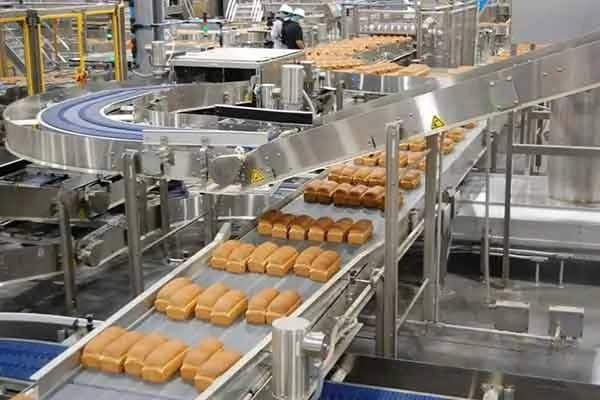
Bread Making Machine Guide: Types, Features and Baking Process
Bread has been a staple food in many cultures for thousands of years. As food preparation methods evolved, technology made bread production more consistent and convenient. A bread making machine is an appliance designed to automate the bread-making process, reducing manual effort while producing consistent results.
These machines combine mixing, kneading, proofing, and baking into one process. Instead of preparing dough by hand and monitoring each stage separately, users simply add ingredients according to a recipe, choose a suitable program, and allow the machine to complete the process.
Bread making machines are available in various sizes and capacities to suit different household and commercial requirements. Modern models include multiple baking programs that support white bread, whole wheat bread, multigrain bread, dough preparation, gluten-conscious recipes, and specialty bread options.
As interest in home baking continues to grow, these machines provide an accessible way for beginners and experienced bakers to prepare fresh bread with consistent quality.
Importance – Why Bread Making Machines Matter Today
Bread making machines have become increasingly relevant because people are paying greater attention to food preparation, ingredient selection, and convenience.
Key Benefits
- Simplify the complete bread-making process.
- Produce consistent loaf quality.
- Reduce manual mixing and kneading.
- Support different bread varieties.
- Help manage baking schedules through programmable settings.
- Improve repeatability for regular baking.
Who Uses Bread Making Machines?
- Families preparing fresh bread.
- Home baking enthusiasts.
- Culinary learners.
- Small bakeries.
- Food research and testing environments.
- Educational institutions teaching food technology.
Problems They Help Address
Traditional bread preparation requires experience, timing, and careful handling of dough. Bread making machines simplify these steps by automating important stages.
| Challenge | How Bread Making Machines Help |
|---|---|
| Manual kneading | Automatic kneading cycles |
| Inconsistent dough | Controlled mixing programs |
| Time management | Programmable timers |
| Uneven baking | Automated temperature control |
| Recipe consistency | Pre-set baking programs |
These advantages make bread making machines useful for users seeking consistent baking results while minimizing manual intervention.
Recent Updates – Trends and Developments
During 2025 and 2026, several developments have influenced bread making technology and consumer preferences.
Smart Automation
Many newer machines now include intelligent baking programs that automatically adjust kneading and baking duration based on selected recipes.
Energy-Efficient Operation
Manufacturers continue improving insulation and heating systems to reduce electricity consumption during baking cycles.
Health-Oriented Baking
Growing interest in healthier eating has increased support for recipes using:
- Whole grains
- High-fiber flour
- Multigrain ingredients
- Low-sugar recipes
- Seed-based bread
Improved User Interfaces
Modern control panels provide:
- Larger displays
- Simple navigation
- Multiple baking modes
- Custom baking settings
Greater Recipe Flexibility
Current machines often support:
- Dough preparation
- Pizza dough
- Cake programs
- Jam preparation
- Artisan bread settings
These trends reflect increasing demand for convenience, flexibility, and better baking control.
Laws or Policies – Regulations Related to Bread Making Machines
Bread making machines are subject to electrical appliance regulations and food safety standards in many countries.
Although regulations differ by region, common frameworks generally focus on:
Electrical Safety
Authorities establish safety requirements for household electrical appliances to reduce electrical hazards during operation.
Food Contact Materials
Materials that come into contact with dough or baked products are generally expected to comply with food safety standards regarding durability and food compatibility.
Energy Efficiency
Some regions encourage manufacturers to improve appliance efficiency through energy-related standards and labeling systems.
Consumer Product Standards
Many countries require manufacturers to provide:
- Safety instructions
- Operating manuals
- Product identification
- Electrical specifications
- Proper warning labels
Environmental Considerations
Electronic appliances may also fall under recycling and electronic waste management frameworks intended to reduce environmental impact.
Users should always follow the manufacturer's operating instructions and applicable electrical safety recommendations.
Tools and Resources
Several general resources can help users improve bread preparation and understand baking techniques.
Useful Learning Resources
- Bread recipe guides
- Baking measurement charts
- Dough hydration calculators
- Ingredient conversion charts
- Baking temperature references
- Nutrition calculators
- Bread texture guides
- Baking schedule planners
Helpful Digital Tools
- Kitchen timer applications
- Measurement converters
- Recipe organizers
- Meal planning templates
- Baking journals
- Digital kitchen scales
- Temperature conversion calculators
Practical Kitchen Equipment
- Measuring cups
- Measuring spoons
- Digital weighing scales
- Dough scrapers
- Cooling racks
- Bread knives
- Storage containers
Using these resources can improve consistency and make bread preparation easier for both beginners and experienced users.
Bread Making Machine Types
Different machines are designed to meet different baking needs.
| Machine Type | Primary Purpose | Suitable For |
|---|---|---|
| Compact Bread Machine | Small household baking | Small families |
| Standard Bread Machine | Everyday bread preparation | Most households |
| Multi-Program Machine | Multiple baking functions | Regular home baking |
| Large Capacity Machine | Larger loaf production | Large families |
| Commercial Bread Machine | Continuous baking | Professional environments |
Each type provides different capacities, program options, and automation levels depending on intended use.
Important Features to Consider
Several features influence baking performance and ease of use.
Multiple Baking Programs
Different programs support various bread styles and dough preparation methods.
Adjustable Crust Settings
Users can choose light, medium, or dark crust preferences.
Delay Timer
Allows ingredients to be prepared in advance while baking begins later according to schedule.
Keep Warm Function
Maintains bread temperature for a limited period after baking.
Non-Stick Baking Pan
Makes bread removal easier and simplifies cleaning.
Viewing Window
Allows users to observe baking progress without opening the lid.
Automatic Ingredient Dispenser
Some models automatically add seeds, dried fruits, or nuts during mixing.
These features improve convenience while supporting different baking preferences.
Understanding the Bread Baking Process
Bread making machines automate several important stages.
Ingredient Mixing
Dry and liquid ingredients combine into a uniform mixture.
Kneading
The machine develops gluten by repeatedly stretching and folding the dough.
First Rising
Yeast activates while the dough expands.
Punch Down
The machine gently removes excess gas before shaping.
Final Proofing
The dough rises again to prepare for baking.
Baking
Heating elements bake the bread until the selected program finishes.
Cooling
Allowing bread to cool before slicing helps maintain texture and moisture.
Understanding these stages helps users achieve more consistent baking results.
Frequently Asked Questions
What does a bread making machine do?
A bread making machine automatically mixes, kneads, proofs, and bakes bread using preset programs that simplify the entire baking process.
Can beginners use a bread making machine?
Yes. Most machines include automatic programs and clear instructions, making them suitable for beginners as well as experienced home bakers.
What types of bread can be prepared?
Many machines support white bread, whole wheat bread, multigrain bread, sweet bread, dough preparation, and several specialty recipes depending on available programs.
How long does a bread making cycle usually take?
Most baking programs typically require between two and five hours, depending on loaf size, recipe, and selected baking mode.
How can bread quality be improved?
Accurate ingredient measurements, fresh yeast, proper flour selection, and following recommended recipes help produce consistent baking results.
Conclusion
Bread making machines have transformed bread preparation by combining mixing, kneading, proofing, and baking into one automated process. They provide a practical solution for producing consistent bread while reducing manual effort and simplifying everyday baking.