Understanding CIP Cleaning Systems: Key Concepts & Industry Knowledge
Clean-in-Place (CIP) cleaning systems are widely used in industries where hygiene and equipment cleanliness are essential. This guide explains how CIP systems work, why they matter, recent developments, regulations, useful tools, and common questions in a simple and easy-to-understand way.
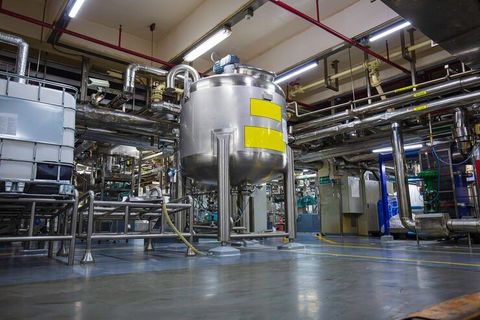
Clean-in-Place (CIP) cleaning systems are automated cleaning methods designed to clean the inside of pipes, tanks, processing equipment, and production lines without taking them apart. These systems were introduced to improve cleaning efficiency, reduce manual work, and maintain consistent hygiene standards across industries.
CIP cleaning systems are commonly used in food processing, beverage production, dairy manufacturing, pharmaceuticals, biotechnology, cosmetics, and chemical processing. They circulate cleaning liquids through equipment in a controlled sequence using factors such as temperature, flow rate, cleaning time, and chemical concentration.
Industries depend on CIP technology because many production systems are complex and difficult to dismantle regularly. Automated cleaning helps maintain product quality while reducing production interruptions. Popular high-value industry keywords related to this topic include industrial automation, process equipment, food processing technology, pharmaceutical manufacturing, industrial sanitation, quality assurance, and process optimization.
Importance
Maintaining clean processing equipment is essential for product safety, operational consistency, and regulatory compliance. Even small amounts of residue can affect production quality or increase contamination risks.
CIP cleaning systems help industries by:
- Maintaining consistent hygiene standards.
- Supporting product quality and safety.
- Reducing manual cleaning requirements.
- Improving equipment availability.
- Helping maintain standardized cleaning procedures.
- Supporting environmental goals through controlled water and chemical usage.
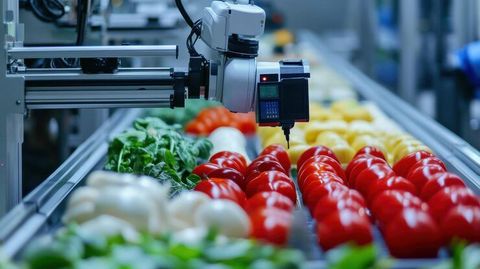
The growing adoption of automation and digital monitoring has made CIP systems even more valuable. Facilities can monitor cleaning cycles, collect operational data, and improve process efficiency through integrated control systems.
Recent Updates
Industrial cleaning technology continues to evolve. During 2025 and early 2026, manufacturers increasingly focused on improving automation, sustainability, and digital monitoring.
| Recent Trend | Industry Impact |
|---|---|
| Smart sensors | Better monitoring of cleaning performance |
| Automated data recording | Improved documentation for audits |
| Water recovery methods | Reduced water consumption |
| Energy-efficient heating | Lower energy usage |
| Digital process monitoring | Improved cleaning consistency |
Another noticeable trend is predictive maintenance. Modern monitoring systems can identify performance changes before they affect cleaning efficiency, helping facilities maintain reliable operations.
Environmental sustainability has also become a priority. Many facilities are reviewing cleaning processes to reduce water use while maintaining effective sanitation standards.
Laws or Policies
Regulations affecting CIP cleaning systems vary between countries, but most focus on hygiene, food safety, pharmaceutical quality, worker safety, and environmental protection.
Common regulatory areas include:
- Food safety management systems requiring documented cleaning procedures.
- Good Manufacturing Practice (GMP) guidelines for pharmaceutical production.
- Hazard Analysis and Critical Control Point (HACCP) principles for food manufacturing.
- Workplace safety regulations governing chemical handling.
- Environmental policies related to wastewater management and resource conservation.
Many organizations also maintain internal validation procedures to demonstrate that cleaning processes consistently achieve required cleanliness levels.
Tools and Resources
Several resources help professionals understand and manage CIP cleaning systems.
| Resource Type | Purpose |
|---|---|
| Cleaning cycle calculators | Estimate cleaning parameters |
| Flow rate calculators | Verify liquid circulation |
| Temperature monitoring tools | Track cleaning conditions |
| Digital maintenance templates | Record inspections |
| Validation checklists | Confirm cleaning procedures |
| Process monitoring dashboards | Review operational performance |
| Training manuals | Support operator knowledge |
| Industry standards documents | Understand regulatory expectations |
Learning materials, technical publications, equipment manuals, and educational courses also help users stay informed about new developments in industrial cleaning technology.
FAQs
What does CIP stand for?
CIP stands for Clean-in-Place, a cleaning method that allows industrial equipment to be cleaned internally without disassembly.
Which industries commonly use CIP systems?
Food processing, dairy, beverages, pharmaceuticals, biotechnology, cosmetics, and chemical manufacturing frequently use CIP cleaning systems.
Why is automation important in CIP cleaning?
Automation helps maintain consistent cleaning procedures, reduces manual intervention, improves documentation, and supports process reliability.
Are CIP systems environmentally friendly?
Modern systems are becoming more resource-efficient by improving water management, optimizing chemical usage, and reducing unnecessary energy consumption.
Can CIP systems improve production efficiency?
Yes. Automated cleaning reduces downtime associated with equipment disassembly while helping maintain consistent operational standards.
Conclusion
CIP cleaning systems have become an essential part of modern industrial manufacturing. By combining automation, controlled cleaning parameters, and standardized procedures, they help industries maintain hygiene, improve operational efficiency, and support regulatory compliance.
As digital technologies continue to advance, CIP systems are becoming smarter, more sustainable, and easier to monitor. Organizations across food processing, pharmaceuticals, biotechnology, and chemical manufacturing continue adopting improved cleaning practices that balance operational performance with environmental responsibility.
Understanding the basic principles of CIP cleaning helps both industry professionals and general readers appreciate how modern manufacturing maintains product quality and safety every day.
Disclaimer
This article is intended for general educational and informational purposes only. Regulations, operational practices, and industry requirements may vary by country, industry sector, and facility. Readers should consult applicable regulatory guidance and qualified professionals when making technical or compliance-related decisions.