Jump to a Chapter

Learn About Forklifts: Explanation, Guide, Insights, Facts, Help, and Useful Resources

Learn About Forklifts: Explanation, Guide, Insights, Facts, Help, and Useful Resources

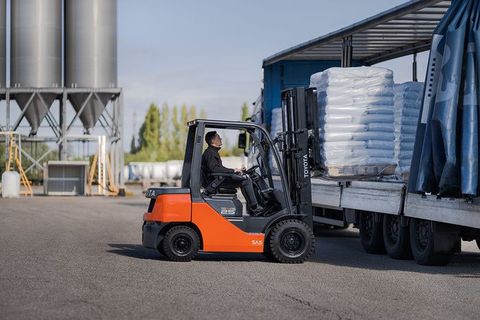
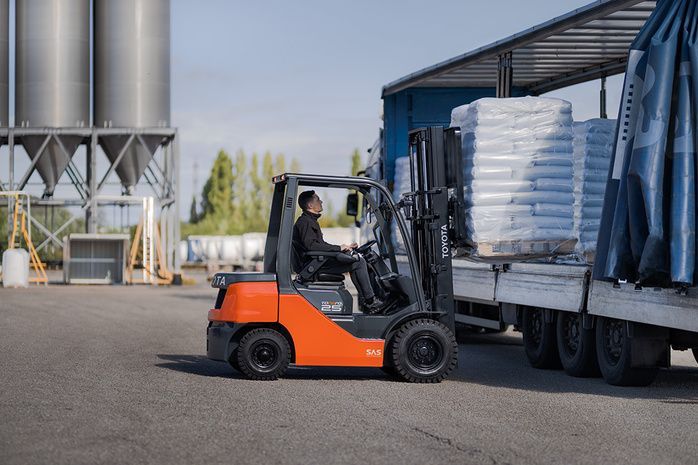
Forklifts are industrial vehicles designed to lift, move, stack, and transport materials over short distances. They are commonly used in warehouses, distribution centers, manufacturing facilities, construction sites, ports, and logistics operations. The primary purpose of a forklift is to improve material handling efficiency while reducing the physical effort required to move heavy loads.

Modern supply chains depend on forklifts to manage inventory, load and unload vehicles, organize storage areas, and support production workflows. As industries continue to expand their operations, forklifts remain one of the most important pieces of material handling equipment.

The development of forklifts began in the early twentieth century when industries needed safer and more efficient methods for moving goods. Over time, technological improvements introduced electric forklifts, automated systems, telematics, and advanced safety features.

Common Types of Forklifts

Forklift TypeTypical Use
Counterbalance ForkliftWarehouses and storage facilities
Electric ForkliftIndoor operations with low emissions
Reach TruckHigh-rack warehouse storage
Rough Terrain ForkliftConstruction and outdoor environments
Pallet JackMoving palletized goods
Order PickerInventory retrieval in distribution centers

Why Forklifts Matter in Modern Industries

Forklifts play a significant role in improving workplace productivity and operational efficiency. Organizations that handle large volumes of materials often rely on forklifts to reduce delays and improve workflow management.

Several sectors benefit from forklift operations:

  • Warehousing and logistics
  • Manufacturing facilities
  • Construction projects
  • Retail distribution centers
  • Shipping terminals and ports
  • Agricultural storage operations

Forklifts help solve several operational challenges, including:

  • Transporting heavy materials safely
  • Reducing manual handling risks
  • Improving warehouse organization
  • Supporting inventory management
  • Increasing loading and unloading efficiency

As e-commerce and global trade continue to grow, the demand for effective material handling solutions has increased. Warehouses are handling larger volumes of inventory, making forklift operations even more important.

High-Value Industrial Applications

Many businesses integrate forklifts with technologies and systems associated with high-value industrial sectors, including:

  • Warehouse Management Systems (WMS)
  • Supply Chain Management Software
  • Industrial Automation Solutions
  • Fleet Management Platforms
  • Industrial Equipment Financing Programs
  • Asset Tracking Systems
  • Logistics Optimization Tools
  • Manufacturing Process Automation
  • Material Handling Equipment Management
  • Industrial Safety Compliance Systems

These areas are frequently discussed alongside forklift operations because they contribute to overall productivity and workplace safety.

Recent Updates and Industry Trends

The forklift industry has experienced several notable developments during the past year.

Growth of Electric Forklifts

Throughout 2025 and 2026, many organizations expanded the use of electric forklifts due to improvements in battery technology and operational efficiency. Lithium-ion battery systems continue to gain attention because of faster charging capabilities and reduced maintenance requirements.

Expansion of Warehouse Automation

Automated Guided Vehicles (AGVs) and Autonomous Mobile Robots (AMRs) have become more common in large distribution facilities. While forklifts remain essential, automation technologies increasingly work alongside traditional equipment.

Telematics and Smart Fleet Monitoring

More organizations are using telematics systems to monitor forklift usage, maintenance schedules, battery performance, and operator activity. These systems provide real-time operational data that helps improve efficiency.

Safety Technology Improvements

Manufacturers have introduced enhanced safety features such as:

  • Collision detection systems
  • Pedestrian warning technology
  • Speed management controls
  • Operator access verification
  • Camera-assisted visibility systems

Sustainability Initiatives

Many facilities are pursuing environmental goals by transitioning from internal combustion forklifts to electric models. This trend has continued throughout 2025 and 2026 as sustainability reporting becomes more important across industries.

Industry Trend Overview

TrendImpact on Operations
Electric ForkliftsLower emissions and quieter operation
Lithium-Ion BatteriesFaster charging and longer lifespan
Fleet TelematicsBetter monitoring and maintenance
Automation IntegrationImproved efficiency in warehouses
Safety TechnologiesReduced workplace incidents

Visual Representation of Industry Focus

Warehouse Efficiency Priorities

Safety Technologies      ██████████ 90%
Automation Systems       ████████ 80%
Fleet Monitoring         ███████ 70%
Electric Equipment       ████████ 80%
Inventory Optimization   █████████ 85%

The chart illustrates key areas receiving attention across modern warehouse and logistics operations.

Regulations and Policy Considerations

Forklift operations are influenced by workplace safety regulations, equipment standards, and occupational health requirements. Regulations vary by country, but many share similar objectives.

Key policy areas typically include:

  • Operator training requirements
  • Workplace safety standards
  • Equipment inspection procedures
  • Load handling guidelines
  • Maintenance documentation
  • Hazard communication practices

In many countries, occupational safety agencies establish standards for forklift operation. These standards often require organizations to provide operator education, conduct inspections, and maintain safe working environments.

Environmental regulations may also affect forklift operations, particularly regarding emissions, battery disposal, and energy efficiency standards.

Organizations frequently implement compliance programs to align with national safety regulations and industry best practices.

Typical Compliance Checklist

Compliance AreaPurpose
Operator TrainingImprove safe equipment use
Daily InspectionsIdentify equipment issues
Maintenance RecordsDocument equipment condition
Load Capacity MonitoringPrevent overload incidents
Safety SignageImprove workplace awareness
Incident ReportingSupport risk management

Helpful Tools and Resources

A variety of digital tools and resources support forklift operations, training, maintenance, and fleet management.

Fleet Management Platforms

These systems help organizations monitor:

  • Equipment usage
  • Fuel consumption
  • Battery health
  • Maintenance schedules
  • Utilization rates

Warehouse Management Systems

Warehouse software helps coordinate:

  • Inventory tracking
  • Storage optimization
  • Picking workflows
  • Shipment management

Load Capacity Calculators

These calculators assist operators and managers in evaluating:

  • Safe lifting limits
  • Load center calculations
  • Capacity adjustments
  • Stability considerations

Preventive Maintenance Templates

Maintenance templates help organizations:

  • Schedule inspections
  • Track repairs
  • Record maintenance history
  • Monitor equipment performance

Training Resources

Educational resources often include:

  • Safety manuals
  • Equipment guides
  • Operational procedures
  • Risk assessment documents

Useful Resource Categories

Resource TypeMain Purpose
Safety ChecklistsDaily inspections
Maintenance LogsEquipment tracking
Capacity CalculatorsLoad evaluation
Fleet SoftwareEquipment monitoring
Warehouse SystemsInventory management
Training MaterialsOperator education

Frequently Asked Questions

What is the primary function of a forklift?

A forklift is designed to lift, move, stack, and transport heavy materials over short distances. It improves efficiency in warehouses, factories, construction sites, and logistics facilities.

Are electric forklifts becoming more common?

Yes. Electric forklifts have become increasingly popular due to advances in battery technology, lower emissions, quieter operation, and improved energy efficiency.

Why is forklift training important?

Training helps operators understand equipment controls, safety procedures, load handling techniques, and workplace regulations. Proper training contributes to safer operations.

What industries use forklifts most frequently?

Forklifts are widely used in warehousing, manufacturing, logistics, retail distribution, construction, shipping, and agriculture.

How often should forklifts be inspected?

Inspection frequency depends on local regulations and organizational policies. Many workplaces perform daily pre-operation inspections and schedule routine maintenance according to manufacturer recommendations.

What technologies are shaping the future of forklifts?

Emerging technologies include telematics, lithium-ion batteries, automation systems, collision avoidance technology, smart sensors, and advanced fleet management platforms.

Key Facts About Forklifts

  • Forklifts are among the most widely used material handling vehicles worldwide.
  • Electric forklift adoption continues to increase across industrial sectors.
  • Modern forklifts often include digital monitoring systems.
  • Safety remains a major focus of industry regulations.
  • Warehouse automation is creating new opportunities for integrated forklift operations.
  • Fleet management technology helps improve equipment utilization and maintenance planning.

Conclusion

Forklifts remain a critical component of modern material handling and logistics operations. Their ability to move heavy loads efficiently supports warehouses, manufacturing facilities, construction projects, and supply chains around the world. Recent developments in electric power systems, automation, telematics, and safety technologies are shaping the future of forklift operations.

Understanding forklift fundamentals, industry trends, regulatory considerations, and available resources can help individuals and organizations better appreciate the role these machines play in today's industrial environment. As supply chains continue to evolve, forklifts are expected to remain an essential tool for efficient and safe material movement.

author-image

Harshit Sharma

We are a performance-driven media buying team focused on scaling brands through smart, data-backed advertising strategies

July 15, 2026 . 8 min read