Lifting Equipment Overview: Learn Key Details, Knowledge, Advice, and Industry Insights
Lifting equipment plays a critical role across construction, manufacturing, warehousing, logistics, energy, mining, and infrastructure sectors. These tools and systems are designed to move, raise, lower, position, or transport heavy materials safely and efficiently. As industries continue to handle larger loads and increasingly complex operations, lifting equipment remains essential for productivity, workplace safety, and regulatory compliance.
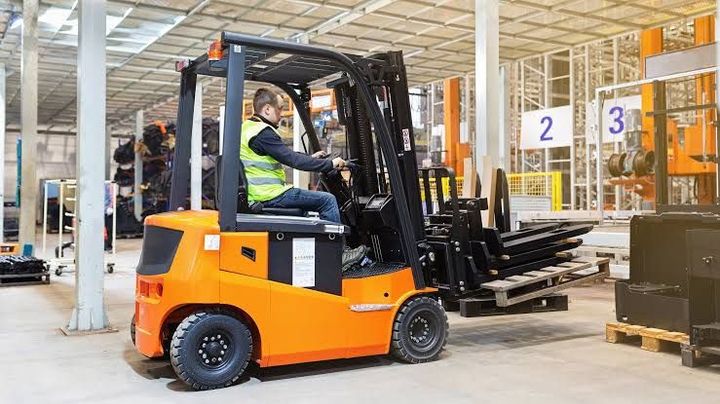
Common examples include cranes, hoists, forklifts, lifting slings, lifting beams, chain blocks, winches, aerial lifting platforms, and material handling systems. Modern lifting technology has evolved significantly, incorporating automation, digital monitoring, and predictive maintenance capabilities that improve operational performance.
Understanding Lifting Equipment and Its Purpose
Lifting equipment refers to machinery, devices, and accessories used to lift or move loads vertically or horizontally. These systems help reduce manual handling risks while enabling workers to transport materials that would otherwise be difficult or impossible to move safely.
Industries rely on lifting equipment to:
- Move heavy machinery and components
- Handle construction materials
- Support warehouse operations
- Improve workplace safety
- Increase operational efficiency
- Reduce physical strain on workers
The growth of industrial automation and smart manufacturing has further increased the importance of advanced lifting technologies in modern workplaces.
Common Types of Lifting Equipment
The following table highlights several widely used categories of lifting equipment and their typical applications.
| Equipment Type | Common Application |
|---|---|
| Overhead Cranes | Manufacturing facilities and warehouses |
| Mobile Cranes | Construction and infrastructure projects |
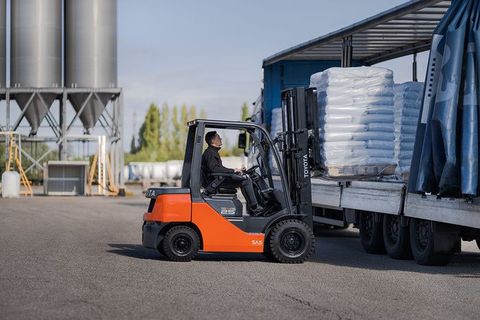
| Forklifts | Material handling and logistics |
| Chain Hoists | Workshops and industrial maintenance |
| Wire Rope Hoists | Heavy industrial lifting |
| Lifting Slings | Load attachment and rigging |
| Scissor Lifts | Elevated work platforms |
| Winches | Pulling and positioning heavy loads |
| Gantry Cranes | Outdoor and temporary lifting operations |
| Material Lifts | Building maintenance and installation projects |
Industries often combine multiple lifting systems to meet operational requirements while maintaining safety standards.
Why Lifting Equipment Matters Today
Workplaces increasingly depend on lifting equipment because industrial operations involve larger loads, tighter schedules, and stricter safety requirements. Proper lifting solutions help organizations reduce workplace incidents and improve productivity.
Several sectors are particularly dependent on lifting equipment:
- Construction and infrastructure
- Manufacturing and assembly
- Logistics and warehousing
- Oil and gas operations
- Renewable energy projects
- Mining activities
- Transportation and shipping
Problems Addressed by Modern Lifting Systems
Modern lifting equipment helps solve numerous operational challenges.
- Reduces workplace injuries from manual handling
- Improves load positioning accuracy
- Enhances operational efficiency
- Supports compliance with workplace safety regulations
- Reduces equipment downtime through monitoring technologies
- Enables handling of oversized or specialized loads
As industrial projects become more complex, the demand for advanced lifting solutions continues to grow.
Economic and Operational Impact
The impact of lifting equipment extends beyond material handling. Efficient lifting operations contribute to:
- Improved project timelines
- Better asset utilization
- Reduced workplace risks
- Increased productivity
- Enhanced maintenance planning
- Lower operational disruptions
Organizations often prioritize lifting safety programs because equipment failures can lead to operational delays, property damage, and worker injuries.
Recent Industry Updates and Trends
The lifting equipment industry has experienced several notable developments during the past year.
Smart Monitoring Technologies
Throughout 2024 and 2025, manufacturers increasingly introduced smart lifting systems equipped with sensors, Internet of Things (IoT) connectivity, and real-time monitoring capabilities. These systems can track load weights, equipment condition, and operational performance.
Predictive Maintenance Adoption
Predictive maintenance continues to gain attention across industrial facilities. Advanced monitoring tools can identify wear patterns before failures occur, helping organizations improve reliability and reduce downtime.
Focus on Workplace Safety
Safety remains a major industry priority. New lifting technologies increasingly include:
- Load moment indicators
- Collision avoidance systems
- Anti-sway controls
- Automated overload protection
- Remote operation features
Growth in Renewable Energy Projects
During 2024 and 2025, renewable energy projects such as wind turbine installation and solar infrastructure development increased demand for specialized heavy lifting equipment capable of handling oversized components.
Electrification and Sustainability
Equipment manufacturers are also developing electric and hybrid lifting machinery to reduce emissions and support sustainability goals within industrial operations.
Industry Trend Snapshot
| Trend | Industry Impact |
|---|---|
| IoT Monitoring | Improved equipment visibility |
| Predictive Maintenance | Reduced unexpected downtime |
| Remote Operations | Increased worker safety |
| Electric Equipment | Lower environmental impact |
| Automation Integration | Higher productivity |
| Digital Inspections | Better compliance management |
Laws, Regulations, and Safety Policies
Lifting equipment operations are heavily influenced by workplace safety regulations and technical standards. Compliance helps protect workers and maintain safe operating environments.
Workplace Safety Requirements
Many countries require employers to:
- Conduct regular equipment inspections
- Maintain maintenance records
- Train equipment operators
- Follow safe lifting procedures
- Use certified lifting accessories
- Perform risk assessments
Common Regulatory Areas
Regulations often address:
- Load capacity limits
- Equipment certification
- Inspection intervals
- Operator competency
- Workplace hazard management
- Accident reporting requirements
International Standards
Several international standards influence lifting equipment practices worldwide.
| Standard Organization | Area of Focus |
|---|---|
| ISO | International safety and quality standards |
| OSHA | Workplace safety requirements |
| ASME | Mechanical equipment standards |
| ANSI | Safety performance guidelines |
| EN Standards | European safety requirements |
Government Safety Programs
Many governments continue investing in workplace safety initiatives aimed at reducing industrial accidents. These programs often encourage:
- Safety training
- Equipment inspections
- Digital compliance systems
- Hazard reporting programs
- Occupational safety awareness
Organizations operating lifting equipment typically monitor regulatory updates to ensure ongoing compliance.
Tools and Resources for Lifting Equipment Management
Modern workplaces increasingly rely on digital resources to manage lifting operations effectively.
Inspection and Maintenance Software
Common software categories include:
- Equipment inspection tracking
- Asset management platforms
- Preventive maintenance systems
- Digital compliance documentation
- Safety reporting tools
Load Calculation Resources
Load calculation tools help determine:
- Safe working loads
- Center of gravity calculations
- Sling angle effects
- Crane capacity requirements
- Rigging configurations
Training and Learning Resources
Useful educational resources include:
- Workplace safety training platforms
- Equipment manufacturer documentation
- Technical standards libraries
- Industry association publications
- Regulatory guidance documents
Documentation Templates
Frequently used templates include:
- Inspection checklists
- Risk assessment forms
- Maintenance schedules
- Incident reporting documents
- Operator competency records
Useful Resource Categories
| Resource Type | Purpose |
|---|---|
| Inspection Checklists | Equipment verification |
| Load Calculators | Safe lifting planning |
| Maintenance Logs | Equipment history tracking |
| Safety Audits | Compliance evaluation |
| Training Records | Competency documentation |
| Risk Assessment Forms | Hazard identification |
Future Technology Outlook
Emerging technologies likely to influence lifting equipment management include:
- Artificial intelligence monitoring
- Digital twins
- Autonomous lifting systems
- Advanced sensor networks
- Cloud-based compliance platforms
These innovations aim to improve both operational efficiency and workplace safety.
Frequently Asked Questions
What is considered lifting equipment?
Lifting equipment includes machinery and accessories used to lift, lower, hold, or move loads. Examples include cranes, hoists, forklifts, slings, lifting beams, and aerial work platforms.
Why are inspections important for lifting equipment?
Regular inspections help identify wear, damage, corrosion, and mechanical issues before they create safety hazards or operational disruptions.
What is a safe working load?
A safe working load (SWL) refers to the maximum load that lifting equipment can safely handle under specified operating conditions without compromising safety.
How often should lifting equipment be inspected?
Inspection frequency varies depending on equipment type, usage intensity, workplace regulations, and manufacturer recommendations. Many organizations perform daily visual checks alongside scheduled detailed inspections.
How does technology improve lifting safety?
Modern technology improves safety through load monitoring, predictive maintenance, collision prevention systems, automated alerts, and digital inspection tracking.
Conclusion
Lifting equipment remains a fundamental component of modern industrial operations. From construction sites and manufacturing facilities to logistics centers and energy projects, these systems enable the safe and efficient movement of heavy loads. Advances in automation, predictive maintenance, digital monitoring, and sustainability initiatives continue to reshape the industry.
Organizations increasingly recognize that effective lifting equipment management involves more than machinery alone. Safety procedures, operator training, regulatory compliance, inspection programs, and technology adoption all contribute to successful operations. As industries continue to evolve, lifting equipment will remain a critical tool for supporting productivity, workplace safety, and long-term operational resilience.