Understanding Dental Autoclaves: Discover Basics, Insights, Information, Advice, Facts, and Helpful Resources
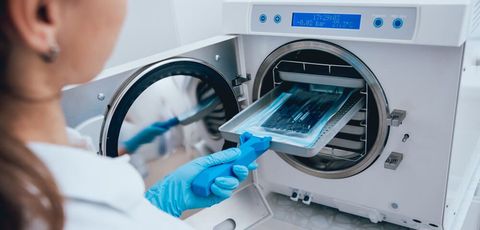
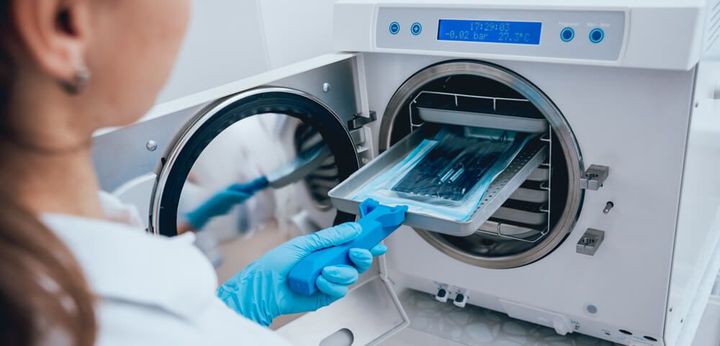
Dental autoclaves are specialized sterilization devices used in dental settings to eliminate microorganisms from reusable instruments. These machines use pressurized steam and controlled temperatures to destroy bacteria, viruses, fungi, and spores that may remain on instruments after cleaning.
Sterilization has become a fundamental part of modern dental practice because dental tools frequently come into contact with saliva, blood, and other biological materials. Without proper sterilization procedures, contaminated instruments could contribute to the spread of infectious diseases.
The concept of steam sterilization has existed for more than a century, but modern dental autoclaves incorporate advanced monitoring systems, digital controls, automated cycles, and detailed documentation features. These improvements help ensure that sterilization processes are consistent and reliable.
Many dental facilities use autoclaves daily for handpieces, mirrors, probes, forceps, and other reusable instruments. The technology helps maintain high standards of infection prevention and supports safe clinical environments.
How Dental Autoclaves Work
The sterilization process generally follows several steps:
• Instruments are cleaned before sterilization.
• Instruments are placed into sterilization pouches or trays.
• The autoclave chamber is loaded according to manufacturer recommendations.
• Steam is introduced under pressure.
• High temperatures are maintained for a specified time.
• Drying cycles remove residual moisture.
• Instruments are stored until needed.
The effectiveness of sterilization depends on factors such as temperature, pressure, exposure time, loading practices, and routine maintenance.
Common Dental Autoclave Types
| Autoclave Type | Typical Characteristics | Common Applications |
|---|---|---|
| Gravity Displacement | Uses steam to displace air naturally | Basic instrument sterilization |
| Pre-Vacuum | Removes air before steam entry | Complex or wrapped instruments |
| Class B Autoclave | Advanced vacuum technology | Diverse dental instruments |
| Class N Autoclave | Suitable for simpler loads | Unwrapped solid instruments |
| Class S Autoclave | Intermediate capability | Specific validated loads |
Why Dental Autoclaves Matter Today
Dental autoclaves play a critical role in infection prevention. They help reduce the risk of cross-contamination and support safe healthcare practices.
Patients increasingly expect healthcare environments to follow strict hygiene standards. Effective sterilization procedures help build confidence in dental care and contribute to overall public health objectives.
Several groups benefit from proper sterilization practices:
• Dental patients
• Dentists
• Dental hygienists
• Dental assistants
• Infection prevention specialists
• Healthcare regulators
• Educational institutions
The importance of sterilization became even more visible following global public health concerns in recent years. Many healthcare organizations strengthened infection-control protocols and increased attention to sterilization monitoring.
Problems Dental Autoclaves Help Address
Dental autoclaves help address several challenges:
• Prevention of instrument-related contamination
• Reduction of microbial transmission risks
• Compliance with healthcare regulations
• Improved patient safety standards
• Consistent infection-control procedures
• Documentation of sterilization activities
Without effective sterilization systems, healthcare facilities could face increased infection risks and challenges in meeting regulatory requirements.
Key Benefits of Modern Sterilization Technology
| Area | Potential Benefit |
| Infection Control | Supports elimination of harmful microorganisms |
| Documentation | Digital records improve traceability |
| Efficiency | Automated cycles reduce manual intervention |
| Compliance | Helps meet regulatory expectations |
| Quality Assurance | Monitoring systems verify cycle performance |
| Safety | Supports safer clinical environments |
Recent Developments and Trends
The dental sterilization industry has continued evolving throughout 2025 and 2026. Several trends have gained attention among healthcare facilities and equipment manufacturers.
One notable trend is the increasing adoption of digital sterilization tracking systems. These systems allow facilities to document sterilization cycles electronically and improve record management.
Another development involves enhanced connectivity features. Some newer sterilization systems integrate with practice management software and monitoring platforms, helping staff review performance data more efficiently.
Sustainability initiatives have also influenced equipment design. Manufacturers have been focusing on energy efficiency, optimized water consumption, and improved operational performance.
Artificial intelligence and predictive maintenance technologies are receiving growing attention. Some advanced systems can monitor operational patterns and provide alerts regarding maintenance needs before performance issues occur.
Recent discussions within healthcare technology sectors during 2025 have also highlighted the importance of cybersecurity for connected medical equipment, including sterilization devices that utilize network-based monitoring features.
Dental Sterilization Market and Technology Trends
Digital Tracking Adoption
2023  ██████
2024  █████████
2025  ████████████
2026  ██████████████

Connected Monitoring Systems
2023  █████
2024  ███████
2025  ██████████
2026  ████████████

Predictive Maintenance Features
2023  ███
2024  █████
2025  ███████
2026  █████████
The graph illustrates general industry trends showing increased adoption of digital and connected sterilization technologies over recent years.
Regulations, Standards, and Policies
Dental autoclaves operate within a framework of healthcare regulations and sterilization standards. Requirements vary by country, but several common principles apply internationally.
Healthcare authorities typically require dental facilities to implement infection-control procedures that include sterilization of reusable instruments.
Regulatory frameworks often address:
• Sterilization validation
• Equipment maintenance
• Biological monitoring
• Chemical indicator testing
• Documentation requirements
• Staff training
• Quality assurance procedures
International standards organizations have developed guidance relating to steam sterilization equipment, performance testing, and validation processes.
Healthcare facilities are generally expected to maintain records demonstrating that sterilization cycles have been completed successfully. Routine testing using biological indicators and chemical indicators is commonly recommended or required depending on local regulations.
Government health agencies, public health departments, and professional dental organizations often publish guidance documents to support compliance with infection-control expectations.
Understanding Sterilization Monitoring
Monitoring is an essential component of dental sterilization programs.
Three commonly used monitoring methods include:
• Mechanical monitoring through cycle data and machine readings
• Chemical monitoring through indicator strips and labels
• Biological monitoring through spore testing procedures
Each method provides different information regarding sterilization performance. Together they help create a comprehensive quality assurance process.
Useful Tools and Resources
A variety of tools and resources can help professionals better understand sterilization practices and equipment management.
Helpful resources include:
• Sterilization cycle record templates
• Instrument tracking software
• Infection-control checklists
• Maintenance scheduling systems
• Regulatory guidance documents
• Continuing education platforms
• Digital compliance management tools
Useful website categories include:
• Public health agency websites
• Professional dental association resources
• Infection prevention education portals
• Medical device regulatory authorities
• Healthcare standards organizations
Educational resources often provide guidance on sterilization validation, monitoring procedures, equipment maintenance, and documentation practices.
Factors to Consider When Evaluating Dental Autoclaves
Several technical considerations are commonly discussed when assessing sterilization equipment:
| Consideration | Why It Matters |
| Chamber Size | Influences instrument capacity |
| Cycle Options | Supports different sterilization needs |
| Drying Performance | Helps prepare instruments for storage |
| Documentation Features | Assists recordkeeping |
| Monitoring Systems | Supports quality assurance |
| Maintenance Requirements | Affects long-term operation |
| Connectivity Features | Enables digital tracking |
These factors can influence workflow efficiency, documentation practices, and compliance activities within healthcare environments.
Frequently Asked Questions
What is the primary purpose of a dental autoclave?
A dental autoclave sterilizes reusable dental instruments using pressurized steam and heat. Its purpose is to eliminate microorganisms and support infection-control procedures.
How often should dental autoclaves be tested?
Testing frequency depends on local regulations, manufacturer recommendations, and facility policies. Many healthcare organizations use routine biological, chemical, and mechanical monitoring as part of quality assurance programs.
Can all dental instruments be sterilized in an autoclave?
Not all instruments are suitable for steam sterilization. Compatibility depends on the material, design, and manufacturer instructions for the specific instrument.
Why is documentation important in sterilization processes?
Documentation helps verify that sterilization cycles were completed properly. Records can support compliance, quality assurance activities, and internal audits.
What is the difference between cleaning and sterilization?
Cleaning removes visible debris and contaminants from instruments. Sterilization is a separate process designed to destroy microorganisms that may remain after cleaning.
Are digital autoclaves becoming more common?
Yes. Many modern systems include digital displays, automated cycle controls, electronic records, and monitoring features that support efficient sterilization management.
Final Thoughts
Dental autoclaves are a cornerstone of modern infection-control practices within dental environments. By using pressurized steam and carefully controlled sterilization cycles, these systems help eliminate microorganisms from reusable instruments and contribute to safer healthcare settings.
Advances in digital monitoring, electronic documentation, predictive maintenance, and connected technologies continue to shape the future of sterilization equipment. At the same time, regulations and professional standards emphasize the importance of validation, monitoring, recordkeeping, and staff training.
Understanding how dental autoclaves work, why they matter, and how they fit within broader infection-control programs can help individuals better appreciate the role of sterilization in healthcare quality and patient safety. As technology evolves, dental sterilization systems are expected to become increasingly efficient, data-driven, and integrated into modern healthcare operations while maintaining their essential purpose of supporting safe clinical care.