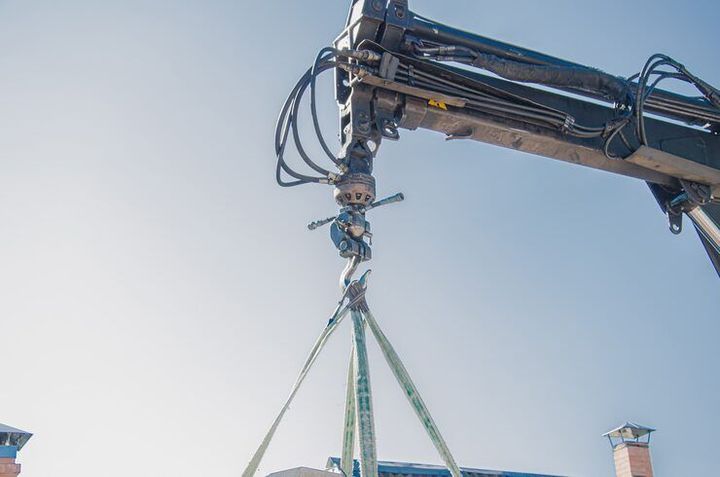
Hydraulic Lifting Equipment: Complete Guide for Modern Industries
Hydraulic lifting equipment has become an essential part of modern industries. From construction sites and manufacturing plants to warehouses and automotive facilities, these machines help move heavy loads with precision and safety.
As industries continue to focus on productivity and workplace safety, hydraulic lifting technology plays an even bigger role. Advanced lifting systems reduce manual effort, improve operational efficiency, and support industrial automation across different sectors.
Understanding how these systems work and where they are used can help businesses and professionals make informed decisions about heavy material handling.
What Is Hydraulic Lifting Equipment?
Hydraulic lifting equipment refers to machines and devices that use hydraulic pressure to lift, lower, or move heavy objects. The system works by transmitting force through a hydraulic fluid, usually oil, inside a sealed chamber.
The principle behind hydraulic technology is simple. When pressure is applied to a confined fluid, that pressure is distributed equally throughout the system. This allows relatively small amounts of force to move extremely heavy loads.
Common hydraulic lifting equipment includes:
Hydraulic Jacks
These are widely used in automotive workshops, industrial maintenance, and construction projects for lifting heavy machinery and vehicles.
Hydraulic Platform Lifts
Platform lifts are designed to move materials or workers between different heights safely and efficiently.
Hydraulic Scissor Lifts
Scissor lifts provide vertical movement and are commonly used in warehouses, maintenance operations, and industrial facilities.
Hydraulic Cylinders
Hydraulic cylinders convert fluid pressure into linear motion and are key components in many industrial lifting machines.
How Hydraulic Lifting Systems Work
A hydraulic lifting system typically includes a pump, hydraulic fluid, valves, cylinders, and a reservoir. When the pump forces fluid into the cylinder, pressure builds and pushes the piston upward, creating lifting motion.
The process offers several important benefits:
- Smooth and controlled movement
- High lifting capacity
- Reduced physical effort
- Reliable operation under heavy loads
- Better accuracy during material handling
Because of these advantages, hydraulic technology has become one of the preferred solutions for industrial lifting equipment.
Why Hydraulic Lifting Equipment Matters in Modern Industries
Heavy industries handle massive loads every day. Manual lifting methods are often inefficient and can increase the risk of workplace injuries.
Hydraulic lifting equipment helps solve these challenges by improving safety and operational performance.
Better Workplace Safety
Industrial safety standards continue to become stricter worldwide. Hydraulic lifting systems help reduce accidents related to manual handling and heavy object movement.
Higher Productivity
Efficient material handling equipment allows operations to move faster. Workers can complete tasks with less downtime and greater consistency.
Precision and Control
Many industrial applications require accurate positioning of heavy components. Hydraulic systems provide controlled lifting and lowering functions.
Adaptability Across Industries
Hydraulic lifting technology is suitable for small workshops as well as large industrial facilities, making it a flexible solution for different operational needs.
Industries That Depend on Hydraulic Lifting Equipment
Hydraulic lifting machinery supports many sectors around the world.
Construction Industry
Construction projects rely on hydraulic lifting systems for moving heavy building materials, equipment, and structural components.
Manufacturing Facilities
Factories use hydraulic platform lifts and industrial lifting equipment to transport raw materials and finished products throughout production lines.
Warehousing and Logistics
Modern warehouses increasingly depend on lifting technology to improve inventory movement and storage efficiency.
Automotive Industry
Hydraulic jacks and vehicle lifts are essential tools for maintenance, inspection, and repair operations.
Mining and Heavy Engineering
Mining equipment often incorporates hydraulic cylinders and lifting systems capable of handling extremely demanding environments.
Key Advantages of Hydraulic Lifting Technology
Businesses choose hydraulic lifting equipment because it offers practical and long-term operational benefits.
High Power Output
Hydraulic systems can generate significant lifting force while using relatively compact components.
Durability
Well-maintained hydraulic equipment is designed to withstand challenging industrial conditions.
Energy Efficiency
Modern hydraulic lifting solutions often include advanced control systems that help optimize energy usage.
Low Maintenance Requirements
Compared with some mechanical lifting methods, hydraulic systems have fewer moving parts, which can simplify maintenance routines.
Integration with Automation
Industrial automation trends are encouraging the use of hydraulic systems that work alongside smart controls and monitoring technologies.
Safety Practices for Hydraulic Lifting Equipment
Even reliable lifting systems require proper operation and maintenance.
Some important safety practices include:
- Inspect hydraulic hoses and seals regularly.
- Check fluid levels before operation.
- Never exceed the recommended lifting capacity.
- Ensure operators receive proper equipment training.
- Keep lifting surfaces stable and secure.
- Replace damaged components immediately.
Regular preventive maintenance can improve performance and reduce unexpected equipment failures.
Emerging Trends in Hydraulic Lifting Equipment
The industrial equipment sector continues to evolve as technology advances.
Smart Monitoring Systems
Digital sensors can monitor hydraulic pressure, temperature, and equipment performance in real time.
Eco-Friendly Hydraulic Fluids
Many industries are exploring environmentally responsible hydraulic fluids that reduce environmental impact.
Automation and Smart Factories
Hydraulic lifting equipment is increasingly integrated with automated manufacturing systems and intelligent production environments.
Compact High-Performance Designs
Manufacturers continue developing smaller but more powerful hydraulic lifting solutions for facilities with limited space.
Industry analysts expect the global material handling and industrial automation sectors to continue expanding as infrastructure development and manufacturing investments increase worldwide.
Choosing the Right Hydraulic Lifting Equipment
Selecting the right solution depends on several factors.
Lifting Capacity
Understand the maximum load requirements before selecting equipment.
Working Environment
Indoor warehouses, outdoor construction sites, and manufacturing plants may require different hydraulic systems.
Frequency of Use
High-volume operations often benefit from heavy-duty industrial lifting equipment.
Safety Features
Look for systems with overload protection, emergency stop functions, and stable operating mechanisms.
Evaluating these factors helps organizations improve productivity while supporting workplace safety goals.
Conclusion
Hydraulic lifting equipment has transformed the way modern industries handle heavy loads. Its combination of strength, reliability, and precision makes it an important part of manufacturing, construction, logistics, automotive operations, and many other sectors.
As industrial automation and smart technologies continue to develop, hydraulic lifting systems are expected to become even more efficient and intelligent. Businesses that understand the capabilities and benefits of these systems can improve operational performance while creating safer and more productive workplaces.