Learn About Used CNC Machines: Discover Information, Overview, Details, Advice, Suggestions, and Expert Insights
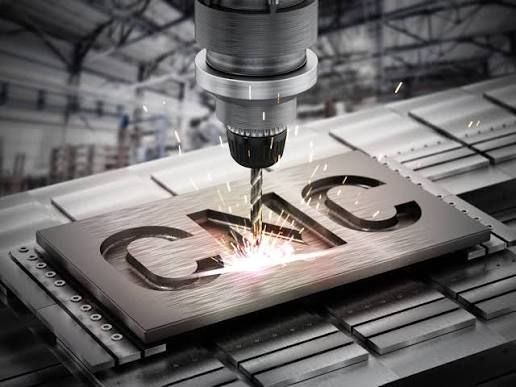
Used CNC machines are previously operated computer numerical control (CNC) systems that continue to be utilized in manufacturing, fabrication, machining, and industrial production environments. CNC technology enables automated control of machine tools through computer programming, allowing precise cutting, drilling, milling, turning, and shaping of materials.
The development of CNC technology transformed traditional manufacturing processes by improving accuracy, consistency, and productivity. As industries modernized their operations, many organizations upgraded to newer generations of equipment, resulting in a growing market for used CNC machinery.
A used CNC machine may include CNC lathes, CNC milling machines, machining centers, CNC routers, plasma cutters, laser cutting systems, and multi-axis machining equipment. These machines are often evaluated based on operational history, maintenance records, control systems, spindle condition, software compatibility, and remaining service life.
The increasing adoption of industrial automation, smart manufacturing, precision engineering, and digital production systems has kept used CNC equipment relevant across numerous sectors.
Why Used CNC Machines Matter Today
Manufacturing industries continue to face challenges related to productivity, precision requirements, workforce shortages, and technological modernization. CNC equipment helps address many of these challenges through automation and repeatable performance.
Used CNC machines are important because they help organizations access established manufacturing technology while extending the operational lifespan of industrial equipment.
Industries commonly utilizing CNC technology include:
- Aerospace manufacturing
- Automotive production
- Medical device manufacturing
- Industrial machinery fabrication
- Electronics production
- Metalworking operations
- Woodworking industries
- Precision engineering facilities
The broader significance of CNC technology can be seen in its contribution to:
- Improved manufacturing efficiency
- Consistent product quality
- Reduced material waste
- Enhanced precision machining
- Increased production scalability
- Support for advanced manufacturing workflows
Key Applications of CNC Technology
| Industry Sector | Common CNC Applications |
|---|---|
| Aerospace | Precision component machining |
| Automotive | Engine parts and tooling |
| Medical | Surgical instruments and implants |
| Electronics | Component housings and enclosures |
| Industrial Equipment | Machine parts and assemblies |
| Woodworking | Furniture and decorative products |
Manufacturing Technology Adoption Overview
| Technology Area | Industry Adoption Trend |
| CNC Automation | Increasing |
| Digital Manufacturing | Increasing |
| Smart Factory Integration | Increasing |
| Predictive Maintenance | Increasing |
| Industrial IoT Monitoring | Increasing |
| Data-Driven Production | Increasing |
Recent Updates and Industry Trends
The CNC machining sector has experienced notable developments during the past year as manufacturers continue to adopt advanced production technologies.
In 2025 and early 2026, industry reports highlighted growing interest in smart manufacturing systems, predictive maintenance platforms, and Industrial Internet of Things (IIoT) integration. Many organizations upgraded machine monitoring capabilities to improve operational visibility and equipment performance.
Several trends have gained attention:
- Increased use of AI-assisted manufacturing analytics
- Expansion of digital twin technologies
- Growth in machine condition monitoring systems
- Enhanced cybersecurity requirements for connected machinery
- Wider adoption of energy-efficient manufacturing practices
- Continued modernization of factory automation environments
Another notable development involves retrofitting older CNC equipment with modern controllers, sensors, and monitoring software. This trend allows manufacturers to improve operational capabilities while maintaining existing machinery infrastructure.
Environmental sustainability has also become a major topic across the manufacturing sector. Organizations increasingly monitor energy consumption, machine utilization rates, and resource efficiency as part of broader sustainability initiatives.
Industry Trend Visualization
Manufacturing Technology Focus (2025-2026)

Smart Manufacturing       ██████████████
Industrial Automation     █████████████
Predictive Maintenance    ████████████
Machine Connectivity      ███████████
AI Analytics              ██████████
Digital Twin Systems      █████████
The graph illustrates the growing emphasis on connected manufacturing technologies and data-driven production strategies.
Regulations, Standards, and Policy Considerations
Used CNC machines are affected by a variety of regulations and industry standards that influence manufacturing operations.
Organizations operating CNC equipment commonly consider requirements related to:
- Workplace safety regulations
- Machinery guarding standards
- Electrical safety compliance
- Environmental protection requirements
- Industrial emissions monitoring
- Energy efficiency initiatives
- Data security standards for connected equipment
In many countries, manufacturing facilities follow occupational safety regulations that require proper machine guarding, operator training, emergency stop systems, and risk assessments.
Environmental regulations may also affect machining operations through:
- Coolant management requirements
- Waste disposal standards
- Metal recycling practices
- Air quality monitoring
- Energy consumption reporting
As industrial equipment becomes increasingly connected, cybersecurity frameworks have gained greater importance. Manufacturing organizations often implement security controls to protect machine networks and production systems from unauthorized access.
International standards organizations continue updating guidance related to machine safety, automation systems, and industrial control technologies. These frameworks help improve operational consistency and workplace safety across manufacturing sectors.
Helpful Tools and Resources
Professionals working with CNC equipment often rely on various digital tools and technical resources.
Useful categories include:
- CNC programming software
- CAD (Computer-Aided Design) platforms
- CAM (Computer-Aided Manufacturing) systems
- G-code simulators
- Machine maintenance tracking applications
- Industrial asset management software
- Predictive maintenance platforms
- CNC tooling databases
- Manufacturing analytics dashboards
- Production planning templates
Common resources for learning and reference purposes include:
- Manufacturing industry publications
- Technical standards documentation
- CNC training materials
- Engineering reference libraries
- Industrial automation knowledge centers
- Machine maintenance guides
- Process optimization frameworks
Important Factors When Evaluating CNC Equipment
Understanding machine condition and operational history is important when reviewing any CNC equipment.
Experts often recommend examining:
- Machine age and operating hours
- Maintenance documentation
- Control system version
- Spindle performance records
- Axis accuracy reports
- Software compatibility
- Safety system functionality
- Electrical component condition
- Lubrication system maintenance
- Calibration history
A structured evaluation process helps improve understanding of equipment capabilities and long-term reliability.
Frequently Asked Questions
What does CNC stand for?
CNC stands for Computer Numerical Control. It refers to automated machine operation controlled through computer programming instructions rather than manual operation.
Which industries commonly use CNC machines?
CNC machines are widely used in aerospace, automotive, medical manufacturing, electronics production, metal fabrication, woodworking, and industrial equipment manufacturing.
What is predictive maintenance in CNC manufacturing?
Predictive maintenance uses sensors, machine data, and analytics to identify potential issues before equipment failures occur. This approach can improve operational efficiency and reduce unexpected downtime.
How does CNC technology improve manufacturing accuracy?
CNC systems follow programmed instructions with high precision, helping maintain consistent dimensions, repeatability, and product quality across production runs.
What role does software play in CNC operations?
Software supports design creation, toolpath generation, machine programming, simulation, monitoring, maintenance tracking, and production optimization throughout the manufacturing process.
Are connected CNC machines affected by cybersecurity concerns?
Yes. As CNC systems become connected to industrial networks and cloud-based platforms, organizations increasingly implement cybersecurity measures to protect manufacturing operations and production data.
Conclusion
Used CNC machines remain an important part of modern manufacturing ecosystems. Their continued use reflects the broader value of precision machining, industrial automation, and advanced production technologies. Across aerospace, automotive, medical, electronics, and industrial sectors, CNC systems support efficient and consistent manufacturing processes.
Recent developments in smart manufacturing, predictive maintenance, industrial connectivity, and data analytics continue shaping how CNC equipment is utilized and managed. At the same time, safety regulations, environmental requirements, and cybersecurity considerations influence operational practices throughout the manufacturing industry.
Understanding CNC technology, industry trends, compliance requirements, and available technical resources can help individuals develop a stronger knowledge of modern manufacturing systems and the evolving role of industrial automation in today's production environment.