Learn About Veterinary X-Ray Equipment: Discover Basics, Overview, Information, Advice, Facts, and Helpful Resources
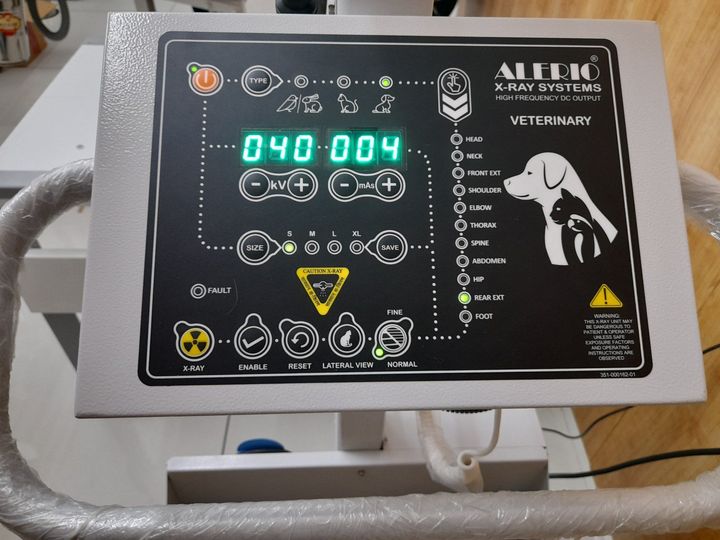
Veterinary X-ray equipment refers to diagnostic imaging technology used by animal healthcare professionals to view the internal structures of animals. These systems help create images of bones, joints, organs, and other tissues without the need for invasive procedures.
X-ray imaging has been an important part of veterinary medicine for many years. It allows veterinarians to evaluate injuries, monitor health conditions, and identify abnormalities that may not be visible during a physical examination. From household pets to livestock and wildlife, veterinary X-ray systems support a wide range of diagnostic needs.
Modern veterinary radiography has evolved significantly from traditional film-based imaging. Digital systems now allow faster image capture, improved image quality, and more efficient record management. As veterinary healthcare continues to advance, diagnostic imaging remains a fundamental component of animal care and clinical decision-making.
Common Types of Veterinary X-Ray Equipment
The following table summarizes major categories of veterinary X-ray systems.
| Equipment Type | Primary Purpose | Common Applications |
|---|---|---|
| Digital Radiography (DR) | Direct digital imaging | Bone injuries, chest imaging |
| Computed Radiography (CR) | Digital image conversion | General veterinary diagnostics |
| Portable X-Ray Units | Mobile imaging | Farm animals, field examinations |
| Dental X-Ray Systems | Oral imaging | Teeth and jaw assessments |
| Fluoroscopy Systems | Real-time imaging | Movement and functional studies |
Why Veterinary X-Ray Equipment Matters
Veterinary imaging plays an important role in modern animal healthcare because many medical conditions cannot be accurately assessed through observation alone.
Animals often cannot communicate symptoms in the same way humans can. Diagnostic imaging helps healthcare professionals gather objective information about internal conditions and make informed treatment decisions.
Important benefits include:
- Detection of fractures and skeletal abnormalities
- Evaluation of lung and heart conditions
- Identification of digestive tract issues
- Assessment of joint disorders and arthritis
- Monitoring of recovery after injury or surgery
- Support for preventive health evaluations
Veterinary X-ray technology affects a variety of groups, including:
- Companion animal owners
- Livestock producers
- Veterinary professionals
- Animal hospitals and clinics
- Wildlife conservation organizations
- Research institutions
In many situations, imaging helps reduce uncertainty by providing visual evidence that supports accurate diagnosis and ongoing monitoring.
Diagnostic Areas Supported by Veterinary Imaging
Veterinary X-ray equipment is commonly used across multiple medical specialties.
| Clinical Area | Examples of Diagnostic Use |
| Orthopedics | Bone fractures, joint conditions |
| Cardiology | Heart size evaluation |
| Respiratory Care | Lung disease assessment |
| Dentistry | Tooth and jaw examination |
| Internal Medicine | Digestive and abdominal imaging |
| Emergency Medicine | Trauma evaluation |
These applications highlight the broad role that imaging technology plays in veterinary healthcare environments.
Recent Updates and Trends in Veterinary X-Ray Technology
The veterinary imaging sector has experienced notable developments during the past year as healthcare providers continue adopting digital technologies and artificial intelligence-assisted workflows.
During 2025 and early 2026, several trends became increasingly visible across veterinary diagnostic imaging.
Growth of Digital Radiography
Many veterinary facilities have continued transitioning from conventional imaging systems to digital radiography platforms. Digital solutions improve workflow efficiency and allow images to be viewed almost immediately after acquisition.
Artificial Intelligence-Assisted Analysis
AI-supported image interpretation tools have gained attention within veterinary diagnostics. These systems help identify patterns and abnormalities that may require additional review by trained professionals.
Cloud-Based Image Storage
Veterinary practices increasingly use secure cloud platforms for image management. This approach supports collaboration between specialists and improves access to historical imaging records.
Enhanced Portable Imaging
Portable X-ray units have become more advanced, offering improved image quality and mobility. These systems are particularly useful in equine medicine, livestock management, and field-based animal care.
Radiation Safety Improvements
Manufacturers have continued developing equipment with enhanced radiation monitoring features, helping support safer imaging environments for both animals and veterinary personnel.
Technology Adoption Trends
The following chart illustrates general technology adoption patterns observed across veterinary imaging.
Digital Radiography        ████████████████
Cloud Imaging Systems      ██████████████
Portable X-Ray Devices     ████████████
AI Imaging Assistance      ██████████
Film-Based Imaging         ████
The trend indicates continued movement toward digital and data-driven diagnostic tools.
Regulations, Laws, and Policy Considerations
Veterinary X-ray equipment is subject to regulatory oversight because X-rays involve ionizing radiation.
Regulations vary by country, but several common requirements typically apply.
Radiation Safety Standards
Government agencies often establish radiation protection standards that veterinary facilities must follow. These standards may address:
- Equipment maintenance
- Exposure monitoring
- Shielding requirements
- Operator training
- Recordkeeping procedures
Licensing and Registration
Many jurisdictions require imaging equipment to be registered with appropriate regulatory authorities. Facilities may also undergo inspections to verify compliance with safety requirements.
Workplace Health Regulations
Veterinary personnel working around radiation-producing equipment are often covered by occupational safety regulations. Monitoring devices such as dosimeters may be used to measure exposure levels.
Data Protection Requirements
As digital imaging becomes more common, veterinary facilities must also manage electronic records responsibly. Data privacy and cybersecurity practices play an increasing role in image storage and sharing.
Animal Welfare Frameworks
Diagnostic imaging is often incorporated into broader animal welfare and healthcare regulations. These frameworks aim to ensure that diagnostic procedures are conducted appropriately and safely.
Veterinary Imaging Safety Principles
Several widely recognized safety principles guide imaging practices.
| Safety Principle | Purpose |
| Justification | Use imaging when clinically appropriate |
| Optimization | Keep exposure as low as practical |
| Shielding | Reduce unnecessary radiation exposure |
| Monitoring | Track occupational exposure |
| Maintenance | Ensure equipment performance and reliability |
These principles help support effective and responsible use of veterinary radiography systems.
Helpful Tools and Resources
A variety of digital resources support veterinary imaging education and information management.
Educational Resources
- Veterinary radiology learning platforms
- Diagnostic imaging reference libraries
- Continuing education programs
- Academic veterinary journals
- Professional imaging guidelines
Software Solutions
- Picture Archiving and Communication Systems (PACS)
- Digital image management platforms
- Radiology reporting tools
- Image annotation software
- Cloud-based storage systems
Useful Calculators and Utilities
- Radiation exposure calculators
- Imaging workflow planning tools
- Quality assurance checklists
- Equipment maintenance logs
- Diagnostic reporting templates
Professional Organizations
Organizations focused on veterinary radiology and animal healthcare often publish educational materials, best practices, and research findings that help improve understanding of imaging technologies.
Key High-Value Topics Associated with Veterinary X-Ray Equipment
The following subjects are frequently discussed in relation to veterinary imaging and diagnostic technology:
- Veterinary digital radiography
- Animal diagnostic imaging
- Veterinary radiology systems
- Digital X-ray technology
- Veterinary imaging software
- Diagnostic imaging equipment
- Animal healthcare technology
- Veterinary practice management
- Digital medical imaging
- Radiology information systems
- Cloud imaging platforms
- Veterinary healthcare solutions
- Medical image analysis
- AI diagnostic imaging
- Radiation safety compliance
These educational topics are commonly explored by individuals seeking information about veterinary imaging technologies and industry developments.
Frequently Asked Questions
What is veterinary X-ray equipment used for?
Veterinary X-ray equipment is primarily used to create images of an animal’s internal structures. It helps identify fractures, joint problems, organ abnormalities, respiratory conditions, and other health concerns.
Is digital veterinary radiography different from traditional film imaging?
Yes. Digital radiography captures images electronically rather than on film. This allows faster image viewing, easier storage, and improved image sharing capabilities.
Are X-rays safe for animals?
When used appropriately and according to established safety guidelines, veterinary X-rays are considered a valuable diagnostic tool. Imaging procedures are typically designed to minimize unnecessary radiation exposure.
Why are portable veterinary X-ray systems important?
Portable systems allow imaging to be performed outside traditional clinical settings. They are commonly used for livestock, equine care, wildlife assessments, and emergency situations.
How has artificial intelligence influenced veterinary imaging?
Artificial intelligence tools are increasingly being explored to assist image review and support diagnostic workflows. These technologies can help identify patterns that may warrant additional evaluation by veterinary professionals.
What role does cloud technology play in veterinary radiology?
Cloud-based platforms help store, access, and share imaging records securely. They can improve collaboration among veterinary teams and support long-term record management.
Conclusion
Veterinary X-ray equipment remains one of the most important diagnostic technologies in animal healthcare. By providing non-invasive visualization of internal structures, these systems support informed clinical decision-making across a wide range of veterinary specialties.
Recent developments in digital radiography, cloud-based imaging, artificial intelligence, and portable diagnostic devices continue to shape the future of veterinary medicine. At the same time, safety regulations, radiation protection standards, and responsible data management remain essential components of imaging practice.
As technology evolves, veterinary diagnostic imaging is expected to become even more efficient, accessible, and data-driven, helping healthcare professionals better understand and monitor animal health while supporting high standards of care and animal welfare.